What is a Washer Dryer: Your Complete Guide
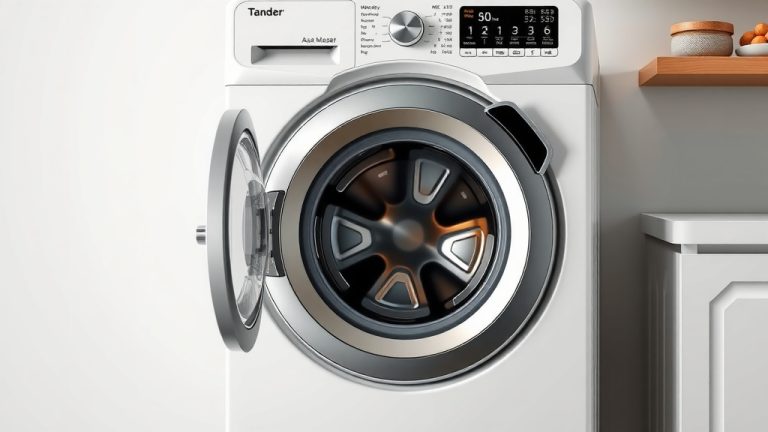
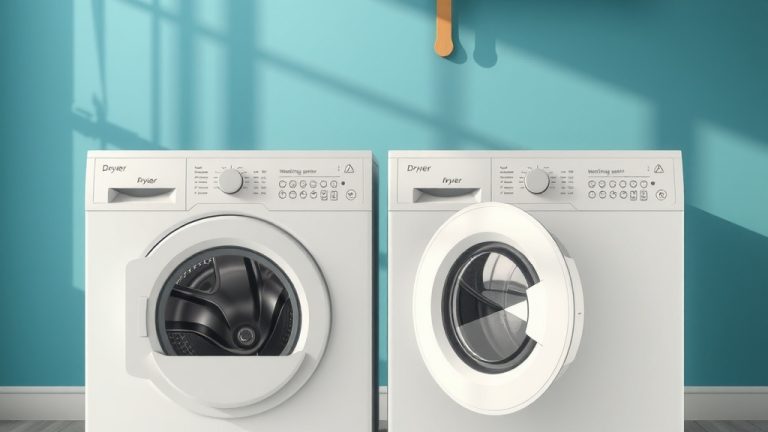
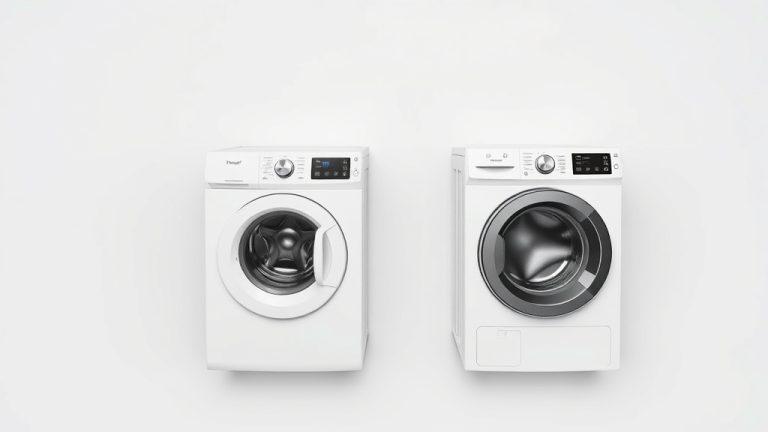
A washer dryer is a single appliance that combines the functions of both a washing machine and a clothes dryer. This space-saving solution handles your laundry from start to finish. You can wash and dry clothes all in one machine without transferring items.
Think of it as a laundry powerhouse. It takes up the footprint of a standard washing machine. This makes it ideal for smaller homes or apartments. Many models offer different cycles for various fabric types.
- Combines washing and drying in one unit.
- Saves space compared to separate machines.
- Handles laundry from start to finish.
- Convenient for small living spaces.
- Offers various cleaning and drying options.
So, are you wondering if a washer dryer is the right fit for your home? Let’s dive into what makes these all-in-one units tick and whether they could simplify your laundry routine.
Understanding the All-in-One Washer Dryer
So, you’re curious about a washer dryer, right? It’s a clever single appliance that does both washing and drying. Think of it as your laundry’s personal assistant. You load your dirty clothes, and it handles the rest. This means you can go from a pile of dirty socks to clean, dry outfits without lifting a finger to move laundry. It’s a real game-changer for busy households.
These machines are designed to be remarkably efficient with space. They fit into the same spot where a traditional washing machine would go. This is a huge plus if you live in a smaller home or apartment. You get two appliances in one, freeing up valuable floor space. It’s like magic for your laundry room, or wherever you decide to stash it.
How Does a Washer Dryer Work?
The magic behind a washer dryer is its dual functionality. It uses one drum for both washing and drying. First, it washes your clothes just like a regular washing machine. It fills with water, adds detergent, and tumbles your clothes through a wash cycle.
The Washing Phase
During the wash cycle, the internal drum rotates, agitating your clothes with water and detergent. Sensors monitor water levels and temperature to ensure optimal cleaning. Once the wash is complete, the machine drains the dirty water. Then, it spins at high speeds to remove as much moisture as possible. This spinning action is crucial for the next step.
The Drying Phase
After the spin cycle, the machine switches gears for drying. Instead of draining more water, it begins to heat the air inside the drum. A fan circulates this hot air through your damp clothes. As the clothes tumble, the moisture evaporates. This moist air is then vented out of the machine. Some models use condensation drying, where the moisture is collected as water. This process continues until your clothes are dry.
Different Drying Technologies
You’ll find a couple of main drying technologies in washer dryers. Vented dryers push the hot, moist air outside your home through a hose. This is similar to many standalone dryers. Condenser dryers, on the other hand, don’t need an external vent. They cool the moist air to condense it into water, which collects in a tray or drains away. This makes them great for homes without easy venting options. Research shows condenser dryers are becoming increasingly popular for their installation flexibility (Energy Star).
Benefits of Owning a Washer Dryer
So, why might you consider one of these all-in-one wonders? The advantages are quite compelling for many people. Let’s break down the key reasons.
Space-Saving Convenience
This is probably the biggest draw for most buyers. If you have a compact living space, a separate washer and dryer can take up a lot of room. A washer dryer unit consolidates these functions. You get the convenience of both without needing double the space. This is especially helpful for those living in apartments, condos, or smaller houses.
Simplicity and Ease of Use
Imagine a world where laundry day is less of a chore. With a washer dryer, you can set it and forget it. You load your clothes, select your cycles, and walk away. There’s no need to transfer wet clothes from the washer to the dryer. This simplifies the entire process. Many models even have smart features that let you monitor progress from your phone.
Cost-Effectiveness
While the initial purchase price of a washer dryer might seem higher than a standalone washing machine, consider the savings. You’re buying You’re buying one appliance instead of two, which can lead to lower overall costs.one appliance instead of two. This can lead to lower overall costs. Plus, many modern washer dryers are designed to be energy-efficient. This means lower utility bills over time. We found that newer models often use less water and electricity than older, separate units.
Things to Consider Before Buying
While washer dryers offer a lot of advantages, they aren’t for everyone. There are a few important factors to keep in mind. Thinking these through can help you make the best decision for your needs.
Capacity Limitations
Because they combine two functions into one drum, washer dryers often have a smaller capacity than separate machines. This means you might not be able to wash and dry as large a load at once. If you have a big family or do a lot of laundry, you may find yourself running more cycles. This can add to the overall time it takes to do laundry.
Drying Times
Drying cycles in washer dryers can sometimes be longer than in standalone dryers. This is because the drum is working to both wash and dry. Also, condenser models can sometimes take longer to dry than vented ones. You’ll want to check the specifications for estimated cycle times. Some users report that drying a full load can take several hours.
Maintenance and Repairs
When an appliance does two jobs, it has more components that could potentially need repair. If one part of the washer dryer breaks, the whole unit might be out of commission. This means you might be without both washing and drying capabilities. Finding qualified technicians for these specific units is also something to consider.
Here’s a quick checklist to help you decide:
- Do you have limited space for laundry appliances?
- Do you typically do smaller loads of laundry?
- Are you looking for a simpler laundry process?
- Is energy efficiency a high priority for you?
- Are you prepared for potentially longer drying times?
- Do you have a budget for a combined unit?
Who is a Washer Dryer Best For?
Based on what we’ve discussed, washer dryers are a fantastic option for several groups of people. They truly shine in specific living situations.
Firstly, apartment dwellers often find them a lifesaver. Limited space in city apartments makes traditional laundry setups difficult. A washer dryer provides a full laundry solution without sacrificing precious square footage. Secondly, college students living in dorms or small off-campus housing can benefit greatly. It offers convenience and independence for managing their own clothes.
Small families or couples who don’t generate huge amounts of laundry might find the capacity sufficient. They can also be a good choice for a secondary laundry area. For instance, if you have one in the basement but want a small one for a guest suite. Ultimately, anyone who values space, convenience, and a streamlined laundry process could find a washer dryer to be an excellent fit.
Conclusion
You’ve learned that a washer dryer is a smart appliance for consolidating laundry tasks. It expertly combines washing and drying into a single unit, perfect for saving precious space. While it offers incredible convenience and simplicity, remember to consider potential capacity limits and drying times. If you’re living in a smaller home or simply want to streamline your laundry routine, a washer dryer could be your ideal solution. Your next step is to assess your specific laundry needs and available space to see if this all-in-one wonder fits your lifestyle.
Frequently Asked Questions
How long does a wash and dry cycle typically take in a washer dryer?
Wash and dry cycles in these units can vary significantly depending on the model and load size. Generally, a full wash and dry cycle might take anywhere from 3 to 8 hours. Condenser models can sometimes have longer drying times than vented ones.
Can I use regular laundry detergent in a washer dryer?
Yes, you can use regular laundry detergent. However, many washer dryer manufacturers recommend using High-Efficiency (HE) detergents. HE detergents create less suds, which is important for the proper functioning of these combined machines.
Do washer dryers require special installation compared to separate machines?
Installation is often similar to a standard washing machine. Vented models will need a vent hose connected to the outside, just like a separate dryer. Condenser models typically do not require external venting, making installation simpler in many cases.
What is the difference between vented and condenser washer dryers?
Vented washer dryers push hot, moist air out of the machine through an external vent hose. Condenser washer dryers work by cooling the moist air to condense it into water, which is collected in a tray or drained away, meaning they don’t need an external vent.
Are washer dryers more energy-efficient than separate washer and dryer units?
Many modern washer dryers are designed with energy efficiency in mind, often using less water and electricity than older, separate units. However, the combined cycle means they can use more energy overall for a single load compared to using a highly efficient standalone washer and dryer sequentially.