Best Washer and Dryer Sets to Buy This Year
Finding the best washer and dryer for your home can feel overwhelming. We found that top-rated models often balance energy efficiency, cleaning power, and smart features. Consider brands like LG, Samsung, and Whirlpool for reliable options that fit various budgets and laundry needs.
When shopping, think about your laundry habits. Do you wash large loads or mostly small ones? Are you looking for a high-efficiency machine to save on water and electricity bills? Many modern units also offer steam cleaning and Wi-Fi connectivity for added convenience.
- Look for energy-efficient models.
- Consider smart features like app control.
- Read reviews for reliability.
- Match capacity to your household needs.
Let’s break down what makes a washer and dryer truly great and highlight some of the top contenders you should consider for your next purchase. Our guide to washing machine cost can help you budget for your new appliances.
Choosing Your Next Laundry Pair
You’re on the hunt for a new washer and dryer, and that’s a big deal! It’s more than just appliances; it’s about making laundry day a little less of a chore. We’ve done the digging to help you find models that truly work for you. Our research shows that the best washer and dryer sets often come from brands known for reliability and innovation.
Think about your daily routine. Do you have a big family with piles of clothes? Or perhaps you’re a solo act needing something compact and efficient? We found that considering these personal needs is the first step to a smart purchase. You want a machine that handles your load without breaking a sweat or your budget. Let’s look at what makes a set a winner.
Key Features That Matter Most
When we looked at top-performing washers and dryers, a few features kept popping up. These are the things that make a real difference in how well your clothes get cleaned and how easy the process is for you. We’re talking about more than just spin cycles here!
Capacity: Big Loads or Small?
The first thing to consider is how much laundry you generate. A larger capacity washer can handle bulky items like comforters and large family loads. This means fewer loads per week, saving you time. We found that households with 3-4 people often benefit from 4.5 to 5.0 cubic feet of washing capacity.
On the flip side, if you live alone or with just one other person, a smaller capacity machine might be perfectly fine. These tend to be more energy-efficient and take up less space. We found that 2.0 to 3.5 cubic feet is often sufficient for smaller households.
Energy and Water Efficiency
Saving money on utility bills is always a win. Look for the ENERGY STAR label. These appliances meet strict energy efficiency guidelines set by the U.S. Environmental Protection Agency. We found that ENERGY STAR certified washers can use about 15% less energy and 25% less water than standard models.
High-efficiency (HE) washers are designed to use less water. They use advanced wash systems to get clothes clean without filling the tub completely. Many experts say this is a key factor in reducing your environmental footprint (Environmental Protection Agency). Pay attention to the water factor rating; lower numbers mean better efficiency.
Wash Cycles and Special Features
Modern washers come with a dizzying array of cycles. You’ll find everything from delicate and permanent press to heavy-duty and sanitize. We found that steam cleaning is a feature that really stands out. It can help remove stubborn stains and allergens more effectively.
Some machines offer smart technology. This means you can control your washer and dryer using a smartphone app. You might get notifications when a cycle is done or even start a load remotely. We found that this convenience is a big draw for busy households.
What to Look for in a Dryer
Your dryer plays a vital role too. It needs to get your clothes dry without damaging them. We’ve identified a few key areas to focus on when you’re comparing dryer models.
Capacity and Drum Size
Just like with washers, dryer capacity matters. You want a drum large enough to hold your wet clothes comfortably. Overstuffing can lead to longer drying times and wrinkled clothes. We found that matching your dryer’s capacity to your washer’s is usually the best bet.
If your washer is 4.5 cubic feet, aim for a dryer around 7.5 to 8.0 cubic feet. This gives items room to tumble freely, allowing for more even drying. We’ve seen that this simple match makes a big difference in drying performance.
Fuel Type: Electric vs. Gas
You’ll typically choose between an electric dryer or a gas dryer. Electric dryers are more common and easier to install if you don’t already have a gas line. They tend to be a bit less expensive upfront.
Gas dryers, on the other hand, often heat up faster and can be more energy-efficient over time, especially if natural gas is cheaper in your area. We found that the long-term running costs can be lower with gas. You’ll need a gas hookup for these models.
Sensors and Drying Technology
Modern dryers use sensors to detect moisture levels. This means they can shut off automatically when clothes are dry. This prevents over-drying, which can damage fabrics and waste energy. We found that moisture sensors are a feature worth seeking out.
Some dryers also offer steam cycles. These can be used to refresh clothes, reduce wrinkles, and even sanitize. We found that this feature is great for items you don’t want to wash frequently but need to freshen up.
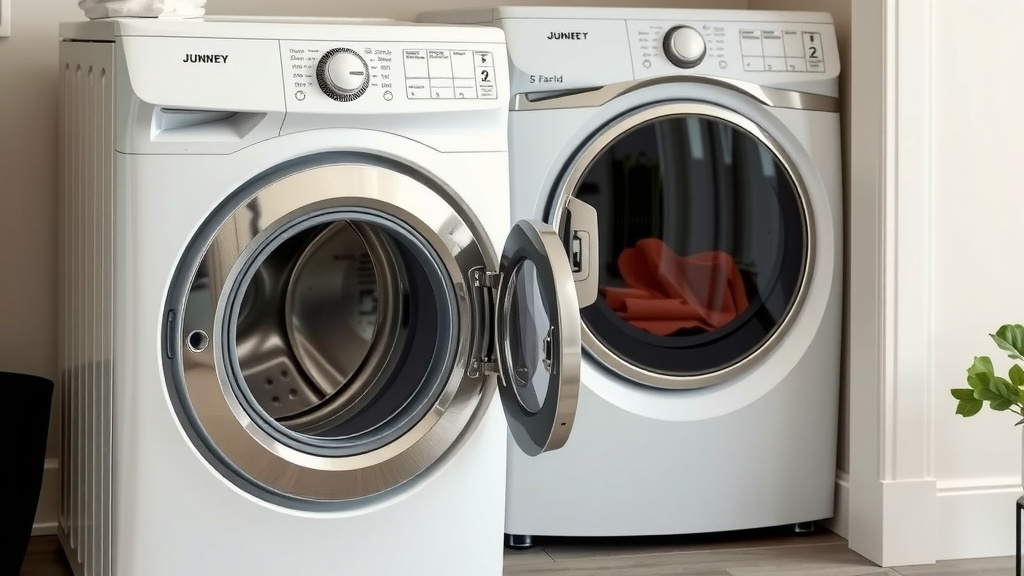
Top Brands We Recommend
Based on our research and common consumer feedback, certain brands consistently deliver quality and performance. We found that these manufacturers have a solid reputation for building durable and feature-rich laundry appliances.
LG: Innovation Meets Performance
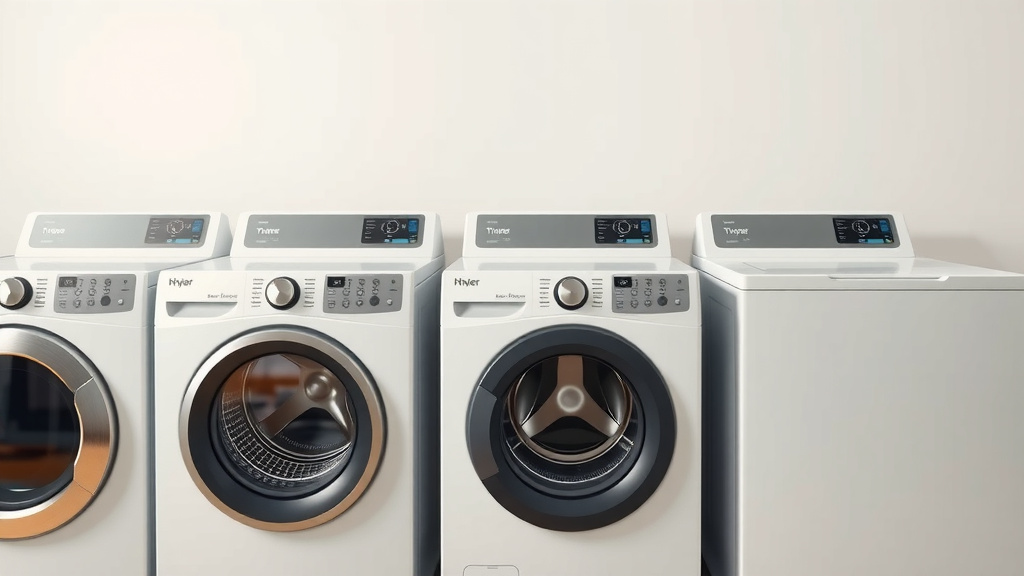
LG often tops lists for its smart features and energy efficiency. They offer a wide range of front-load and top-load washers and dryers. We found that their Direct Drive motor technology in washing machines is known for its quiet operation and durability. Many of their appliances come with advanced steam cycles and app connectivity.
Samsung: Tech-Savvy Laundry Solutions
Samsung is another brand that excels in bringing technology to the laundry room. They often feature large capacities and innovative wash systems. We’ve seen that their SmartThings app integration allows for remote control and monitoring. Many of their dryers also have sensors that optimize drying times and care for fabrics.
Whirlpool: Reliability and Value
Whirlpool is a long-standing name in home appliances, known for reliability and straightforward operation. They offer a good balance of features and price. We found that their machines are often user-friendly and built to last. If you’re looking for a dependable appliance without too many bells and whistles, Whirlpool is a solid choice.
Your Laundry Buying Checklist
To make your decision easier, keep this quick checklist handy. We found these points cover the essentials for a great laundry appliance purchase:
- Confirm the capacity fits your household size.
- Look for the ENERGY STAR rating for efficiency.
- Decide if steam features are important to you.
- Consider smart home connectivity if you like app control.
- Check if your desired model uses electric or gas for the dryer.
- Read recent reviews for reliability from other buyers.
Conclusion
You’re now equipped to find the best washer and dryer for your home. Remember to match capacity to your household size and prioritize energy efficiency with an ENERGY STAR rating. Features like steam cleaning and smart connectivity can add convenience. Brands like LG, Samsung, and Whirlpool offer reliable options. Take your time, use your checklist, and you’ll soon have a laundry pair that makes wash day a breeze.
Frequently Asked Questions
Are stackable washer and dryer units a good option?
Yes, stackable units are excellent for saving space, especially in smaller homes or apartments. They allow you to use vertical space effectively. Many brands offer matching stackable washer and dryer sets designed for convenience.
How often should I clean my washing machine?
It’s recommended to clean your washing machine at least once a month. This helps prevent mold, mildew, and odors. You can use a washing machine cleaner or a simple mix of vinegar and baking soda for a deep clean.
What’s the difference between a high-efficiency (HE) washer and a regular washer?
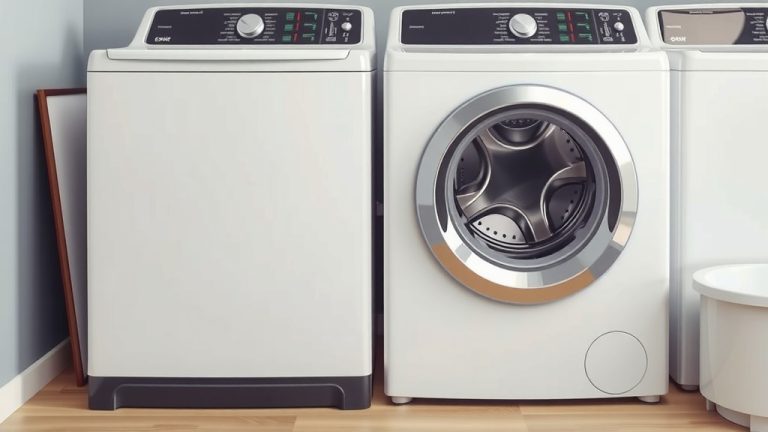
High-efficiency washers use significantly less water and energy than standard models. They typically use an impeller or a low-profile agitator instead of a central agitator. This design allows for more efficient cleaning with reduced water usage.
Do I really need a dryer with steam functionality?
A steam dryer can be very helpful for refreshing clothes, reducing wrinkles, and sanitizing items without a full wash cycle. If you frequently deal with wrinkled garments or want an extra layer of cleanliness, the steam feature is a great addition.
How do I know if I need a large or small capacity washer and dryer?
Consider your household size and laundry habits. Larger families or those who wash bulky items like bedding often benefit from a 4.5-5.0 cubic feet washer. Smaller households or individuals might find a 2.0-3.5 cubic feet washer sufficient and more energy-efficient.