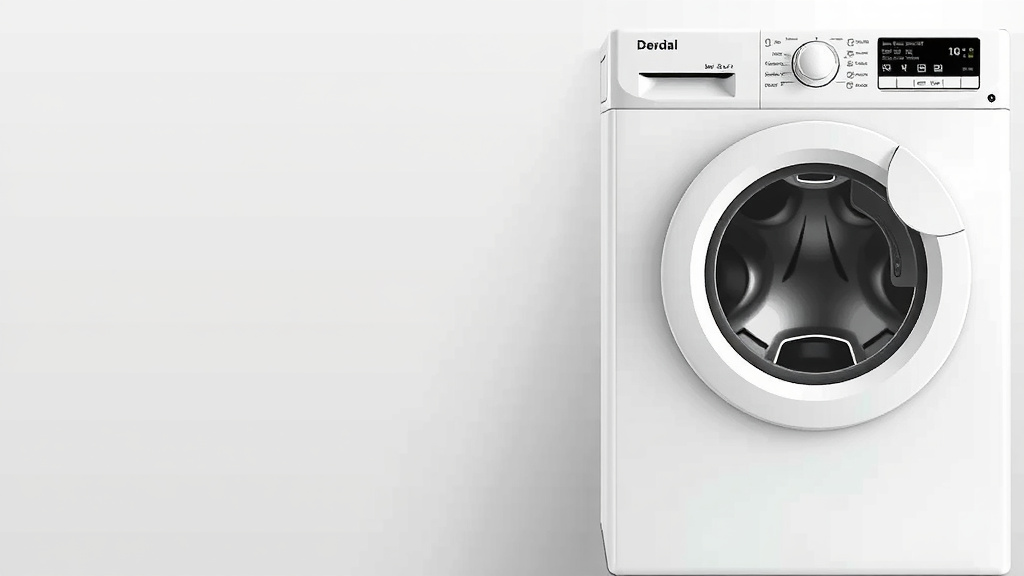
The Most Basic Washing Machine Explained
The most basic washing machine is a simple, top-loading model. It typically has two knobs: one for water temperature and one for the cycle. You won’t find fancy digital displays or a hundred different wash options. This straightforward design makes it incredibly easy to use and understand, even for beginners.
These no-frills machines focus on the core task: getting your clothes clean. They usually offer a few basic cycles like “Normal” or “Delicate.” Forget about steam functions or app connectivity; this is about pure, no-nonsense washing. Many people find these models to be the most reliable because there are fewer parts to break.
- The simplest washing machine is a basic top-loader.
- It uses simple knob controls, not digital interfaces.
- You get essential wash cycles for everyday needs.
- They are often more durable and easier to fix.
If you’re curious about what makes a washing machine truly basic, let’s dive into the details of these workhorse appliances.
Understanding the Simpler Side of Laundry Machines
So, you’re curious about the most basic washing machine you can find. It’s all about stripping away the extras. You want a machine that just gets the job done, right? We’ve all been there, staring at a control panel that looks like a spaceship. The simplest washing machines are the opposite of that. They are designed for maximum ease of use. You’ll find them in homes where simplicity is key. They often carry a lower price tag too, which is a nice bonus.
What Exactly Defines a Basic Washing Machine?
At its heart, a basic washing machine is one with minimal features. It performs the essential function of washing clothes. Think of it like a reliable old friend. It doesn’t need complicated instructions. You won’t see a big, flashy screen. Instead, you’ll likely see a few simple knobs. These knobs control the basics like water temperature and the wash cycle. That’s pretty much it. No bells and whistles here.
Top-Loaders: The King of Simplicity
When we talk about the most basic models, we are almost always talking about top-loading machines. This is a style that many of us grew up with. Clothes go in from the top. The lid is right there. This design is often easier for people to load and unload. It also tends to be more accessible for those with mobility issues. You don’t have to bend down as much compared to front-loaders.
Key Characteristics of Basic Models
These machines focus on doing one thing well: washing clothes. You’ll typically find a few core wash cycles. These are usually labeled straightforwardly. Think “Normal,” “Delicate,” or “Heavy Duty.” There’s no need to memorize a complex guide. The water temperature controls are also simple. You’ll see options like “Hot,” “Warm,” or “Cold.” This makes it very easy to select the right setting for your laundry needs.
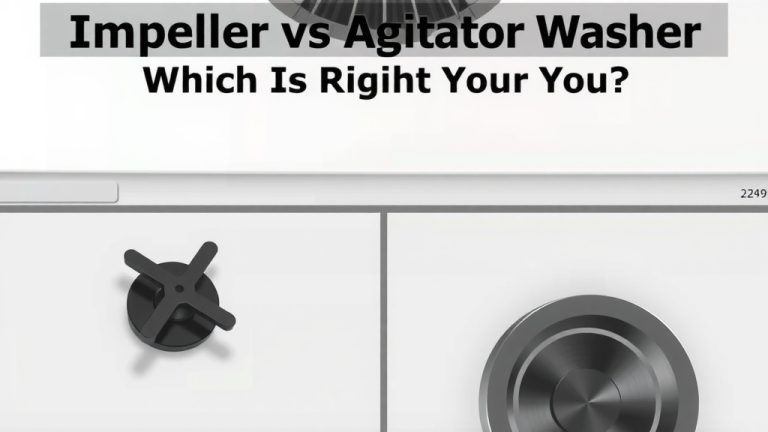
Many basic washing machines use an agitator. This is a central post in the middle of the drum. It twists and turns. This helps to move the clothes around in the water. It’s a tried-and-true method for getting dirt out. While some newer basic models might be ‘impeller’ style (no agitator), the core simplicity remains. Fewer moving parts often means fewer things can go wrong.
Comparing Basic Washers to Modern Machines
It’s helpful to see how these basic models stack up against their more advanced cousins. Modern washing machines often come with dozens of wash cycles. They might have steam functions. Some even connect to your smartphone. While these features can be useful, they add complexity. They also add more potential points of failure. A basic machine cuts all of that out.
| Feature | Most Basic Washer | Modern High-End Washer |
|---|---|---|
| Controls | Simple Knobs | Digital Touchscreens, Apps |
| Wash Cycles | 3-5 Essential Cycles | 20+ Specialized Cycles |
| Special Features | None | Steam, Sanitize, Smart Connectivity |
| Price | Lower | Higher |
| Ease of Use | Very High | Moderate to High |
| Repair Complexity | Low | High |
Think about it this way: if you just need to wash your everyday clothes, do you really need a cycle called “athletic wear” or “bedding”? Probably not. The basic cycles will handle your shirts, pants, and towels perfectly well. We found that for most households, the core functionality is all that’s needed.
Why Choose a Basic Washing Machine?
There are several compelling reasons why a basic washing machine might be the perfect fit for you. They are often the most affordable option upfront. This makes them a great choice for budget-conscious shoppers. They are also generally more durable. With fewer electronic components and mechanical parts, there’s less to break down over time. Many experts say this leads to a longer lifespan for the appliance (Good Housekeeping Institute).
Reliability and Longevity
The lack of complex electronics is a big plus for reliability. When something does go wrong, repairs are often simpler and less expensive. You might even be able to fix minor issues yourself with a little research. This is not usually the case with high-tech machines. The straightforward design means less maintenance is typically required as well.
Ease of Operation
If you’re not a tech whiz, or if you just want laundry day to be as easy as possible, a basic machine is ideal. There’s no learning curve. You can walk up to it and start a load without reading a manual. This is a huge relief for many people. It means less stress and more time for other things. It’s like driving a car with an automatic transmission versus a stick shift; one is inherently simpler.
Who is a Basic Washer Best For?
A basic washing machine is a fantastic choice for several types of people and households. Think about these scenarios:
- First-time homeowners or renters who are setting up a new place on a budget.
- College students living in dorms or shared apartments where simplicity is key.
- Elderly individuals who may prefer simple, easy-to-use controls.
- People who prefer a minimalist lifestyle and don’t need a lot of gadgets.
- Anyone who values durability and ease of repair over high-tech features.
- Secondary homes or vacation properties where a simple, reliable machine is sufficient.
What to Expect from Your Basic Wash Cycle
When you’re using a basic washing machine, you’re getting the essentials. Here’s a quick rundown of what you’ll likely encounter:
- Basic Cycles: You’ll get standard options like Normal, Heavy Duty, and Delicate.
- Temperature Settings: Hot, Warm, and Cold water options will be available.
- Spin Speeds: Typically, there will be a standard spin to remove excess water.
- Load Sizes: Some might have simple indicators for small, medium, or large loads.
These machines might take a bit longer for cycles than some high-efficiency models. But they are designed to get your clothes clean effectively. The focus is on robust washing, not speed or water savings. For many, this reliable cleaning power is exactly what they need.
Conclusion
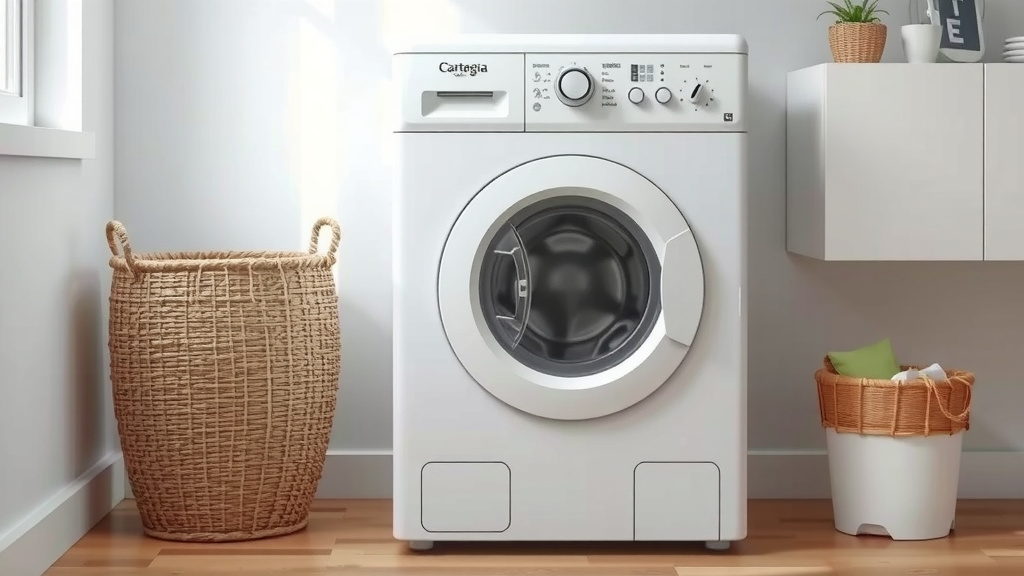
So, you’ve learned that the most basic washing machine is a straightforward, top-loading model. It’s built for simplicity, using easy-to-understand knobs and essential wash cycles. These machines are often your most reliable choice. They tend to be more durable and less expensive to repair than their high-tech counterparts. If you’re looking for a no-fuss way to get your clothes clean without unnecessary features, a basic washer is likely your best bet. Ready to simplify your laundry routine? Consider a basic top-loader for your home.
Frequently Asked Questions
Are basic washing machines still made today?
Yes, basic washing machines are definitely still manufactured. While many brands offer advanced features, there’s a consistent demand for simpler, more affordable models. You can find them from various appliance manufacturers if you look for their entry-level or most fundamental options.
Can a basic washing machine handle heavy loads?
Most basic washing machines are designed to handle typical household laundry loads effectively. Look for a “Heavy Duty” cycle if your loads are particularly soiled or bulky. While they might not have the same capacity as some larger, modern machines, they are built to be workhorses for everyday needs.
How long do basic washing machines typically last?
With their simpler designs and fewer electronic components, basic washing machines are often quite durable. Many users report them lasting 10 to 15 years or even longer with proper maintenance. Their straightforward construction means fewer things are prone to breaking down over time.
What’s the main difference in wash quality between basic and advanced machines?
The core wash quality for everyday dirt and grime is often very similar. Basic machines excel at getting clothes clean with essential cycles and temperature settings. Advanced machines might offer specialized cycles for specific fabrics or stains, and potentially more water or energy efficiency, but the fundamental cleaning power is strong in both.
Is a basic washing machine noisy?
Noise levels can vary by model and brand, but older or very basic machines might be a bit louder than newer, more insulated high-end models. The agitator in many basic top-loaders can sometimes create more noise during the wash cycle. However, they are generally not excessively loud, just less quiet than some premium options.