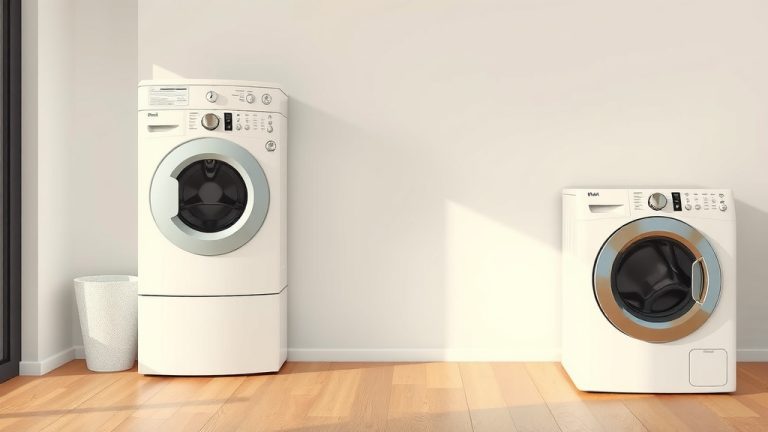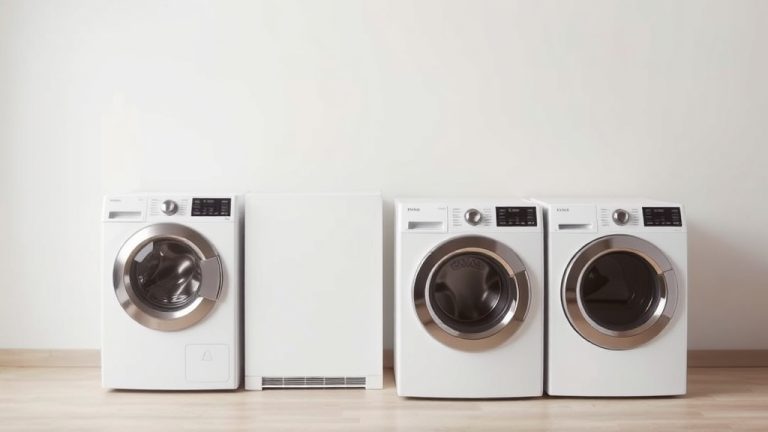
Best Washer to Buy: Your Ultimate Guide
Deciding what washer you should buy depends on your laundry habits, available space, and budget. You’ll want to consider energy efficiency and washing capacity for the best long-term value. Front-load washers often offer superior cleaning and water savings, while top-load models can be more budget-friendly and easier to load.
Many homeowners are looking for a machine that can handle large loads and offer specialized wash cycles for different fabric types. We found that understanding the difference between high-efficiency (HE) and traditional washers is key. Your choice impacts not only your utility bills but also how well your clothes are cared for.
- Consider load size and frequency.
- Decide between front-load or top-load.
- Look for energy-saving features.
- Factor in your budget.
Let’s walk through exactly what to consider when choosing your next washing machine.
Choosing Your Next Washing Machine: A Smart Buying Guide
Picking the right washing machine can feel overwhelming. But don’t worry, we’re here to help you sort it out. It’s more than just getting clothes clean. It’s about finding a machine that fits your life and your budget. We’ve researched what homeowners look for. You want efficiency, capacity, and gentle care for your fabrics. Let’s break down the key factors to consider.
Understanding Washer Types: Top-Load vs. Front-Load
The first big decision is whether you want a top-load or front-load washer. Both have their pros and cons, and the best choice really depends on your preferences and how you do laundry.
Top-Load Washers: Familiar and Convenient
These are the machines many of us grew up with. You load laundry from the top. They often have an agitator in the middle. This is the long post that twists clothes. Some newer models use an impeller. This is a low-profile cone or disc at the bottom. Impellers tend to be gentler on clothes and can offer more wash space.
Pros of Top-Loaders
- Easier Loading: You don’t have to bend over as much. This is a big plus for your back.
- Faster Cycles: Traditional top-loaders can often complete a wash faster.
- Lower Upfront Cost: They are typically less expensive to buy.
- Add Clothes Mid-Cycle: It’s usually easy to toss in that forgotten sock.
Cons of Top-Loaders
- Less Water Efficient: They often use more water than front-loaders.
- Can Be Harsher on Clothes: The agitator can sometimes cause wear.
- Smaller Capacity (sometimes): The agitator takes up space.
Front-Load Washers: Efficiency and Gentle Cleaning
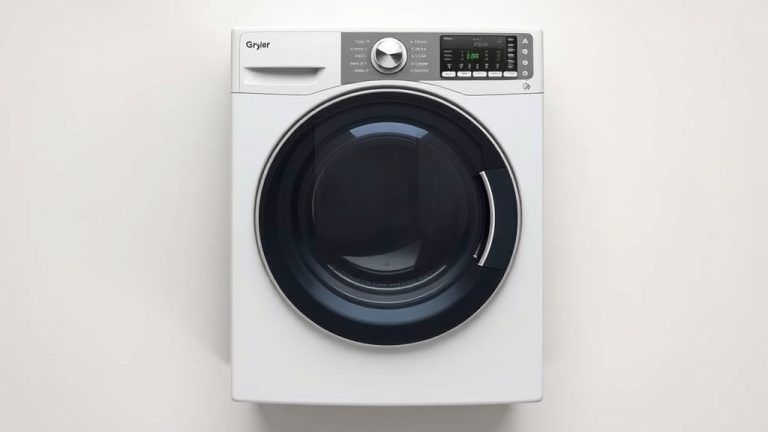
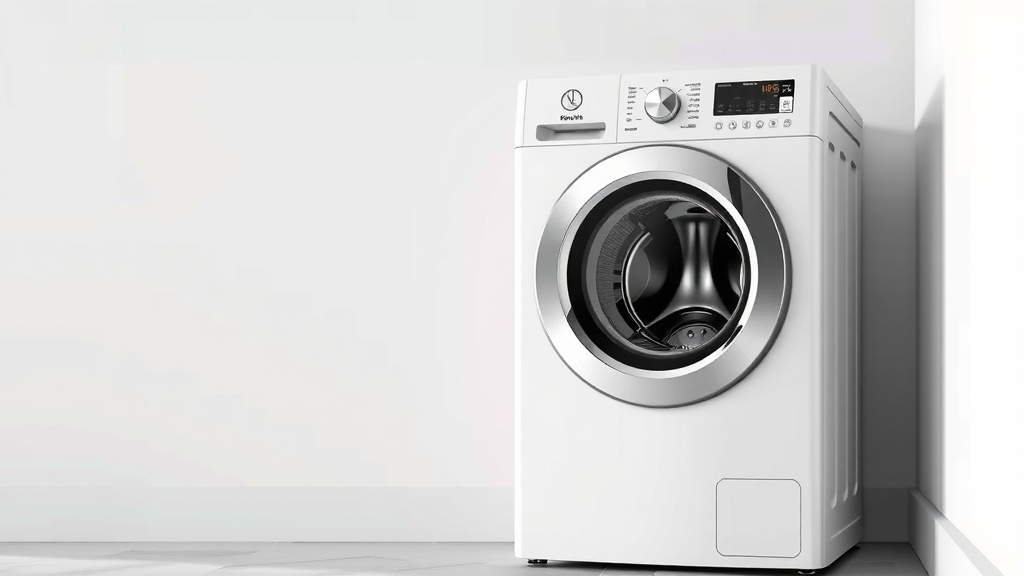
Front-load washers are loaded from the front. They tumble clothes through water. This motion is generally gentler on fabrics. Many homeowners are switching to this type.
Pros of Front-Loaders
- Superior Cleaning: The tumbling action is very effective.
- Energy and Water Savings: They use significantly less water. They also use less energy to heat water. The U.S. Department of Energy recommends HE models for savings.
- Gentle on Fabrics: Less wear and tear on your clothes.
- Higher Spin Speeds: This extracts more water. This means shorter drying times.
- Stackable: You can often stack a dryer on top. This saves floor space.
Cons of Front-Loaders
- Higher Upfront Cost: They generally cost more initially.
- Longer Cycles: Wash cycles can take longer to complete.
- Bending to Load: You’ll need to bend down to load and unload. Pedestals can help with this.
- Potential for Mildew: You need to wipe the door seal. Leaving the door ajar helps prevent odors.
Capacity: How Much Laundry Do You Do?
Washing machine capacity is measured in cubic feet. It tells you how much laundry you can fit. Think about your household size and how often you wash clothes. A family of four might need a larger capacity than a single person.
Smaller capacity washers (around 2.5 to 3.5 cubic feet) are good for singles or couples. Medium capacity (around 3.5 to 4.5 cubic feet) suits most families. Large capacity (over 4.5 cubic feet) is ideal for big families or those who wash bulky items like comforters. We found that understanding your typical load size is key to choosing wisely.
| Capacity (Cubic Feet) | Ideal For | Example Loads |
|---|---|---|
| 2.0 – 3.5 | Singles, Couples | 1-3 loads per week |
| 3.5 – 4.5 | Small to Medium Families (3-4 people) | 3-5 loads per week |
| 4.5+ | Large Families (5+ people), Bulky Items | 5+ loads per week |
Energy Efficiency: Saving Money and the Planet
Look for the ENERGY STAR label. These appliances meet strict energy efficiency guidelines. They use less energy and water. This can save you money on utility bills over time. Many government guidelines recommend ENERGY STAR certified appliances (ENERGY STAR).
High-Efficiency (HE) washers are a type of ENERGY STAR washer. They use much less water. They also use less detergent. You’ll need HE detergent. It creates fewer suds. This is important for HE machines to work correctly. HE machines are found in both top-load and front-load styles. However, front-loaders are typically the most efficient.
Specialized Wash Cycles and Features
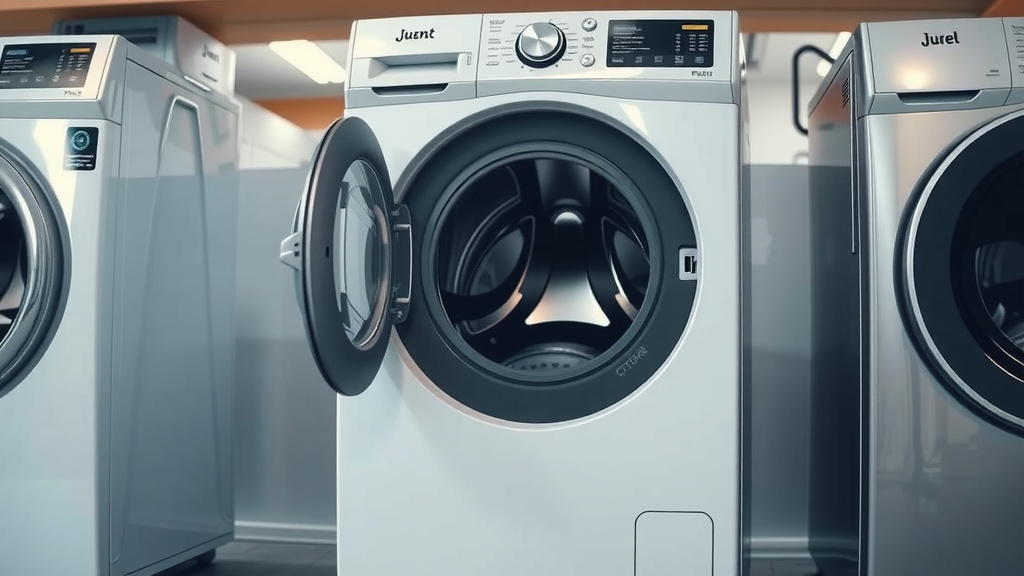
Modern washers come with a dizzying array of cycles. Think about the types of clothes you wash. Do you have delicate items? Heavy-duty work clothes? Athletic wear? Most machines offer basic cycles like normal, delicates, and heavy duty. But many also have:
- Sanitize cycles: These use hotter water to kill germs.
- Allergen cycles: They help remove pet dander and dust mites.
- Steam cycles: Steam can help remove stains and reduce wrinkles.
- Quick wash cycles: For lightly soiled items you need fast.
Some washers offer smart features. These connect to your Wi-Fi. You can control them with an app. You might get cycle notifications or diagnostic help. Consider if these features are a must-have for you.
Budget: How Much Can You Spend?
Washing machines range widely in price. Basic top-load models can start under $500. High-end front-load washers with all the bells and whistles can cost $1,500 or more. Consider not just the purchase price. Think about the long-term costs too. Energy efficiency can save you money. Durability means fewer repair bills.
A good rule of thumb is to buy the best machine you can afford. Focus on features you’ll actually use. We found that investing a little more upfront often pays off in the long run.
Final Checklist for Your Washer Purchase
Before you head to the store or start browsing online, run through this quick checklist:
- Measure your space, including doorways and the laundry area.
- Determine your typical laundry load size and frequency.
- Decide between a top-load or front-load based on your preferences.
- Set a realistic budget, considering both purchase and long-term costs.
- Prioritize energy efficiency by looking for the ENERGY STAR label.
- List the essential wash cycles and features you need.
Conclusion
Choosing the right washer is a significant decision for your home. You’ve learned about the key differences between top-load and front-load models, and how capacity matters for your household needs. Remember to prioritize energy efficiency for long-term savings and consider specialized cycles that fit your laundry routine. By carefully assessing your space, budget, and laundry habits, you can find a washing machine that makes laundry day much easier.
Your next step is to use the checklist we provided. Measure your laundry space and set a budget before you shop. This will help you make a confident purchase.
Frequently Asked Questions
What is the main difference between HE and non-HE washers?
High-Efficiency (HE) washers use significantly less water and energy. They are designed to work with a specific type of HE detergent that creates fewer suds. Non-HE washers, often traditional top-loaders, typically use more water and a standard detergent.
How much does a good washing machine cost?
Washing machine prices vary widely. Basic top-loaders can start under $500, while advanced front-loaders can go over $1,500. We recommend investing in the best machine your budget allows, focusing on features you’ll actually use for better long-term value.
Can I wash bulky items like comforters in any washer?
Washing bulky items depends on the washer’s capacity. Large capacity machines, typically 4.5 cubic feet or more, are best suited for comforters and blankets. Always check your washer’s manual to ensure it can handle the load size without strain.
How do I prevent mold and odors in my front-load washer?
To prevent mold and odors in front-load washers, it’s important to wipe down the door seal regularly. Leaving the door slightly ajar between uses also allows air to circulate. Using the correct amount of HE detergent also helps.
Are smart washing machines worth the extra cost?
Smart washers offer convenience like app control and cycle notifications. Whether they are worth the extra cost depends on your needs. If you value remote control and advanced diagnostics, they might be a good fit. For basic washing needs, a non-smart model will likely suffice.