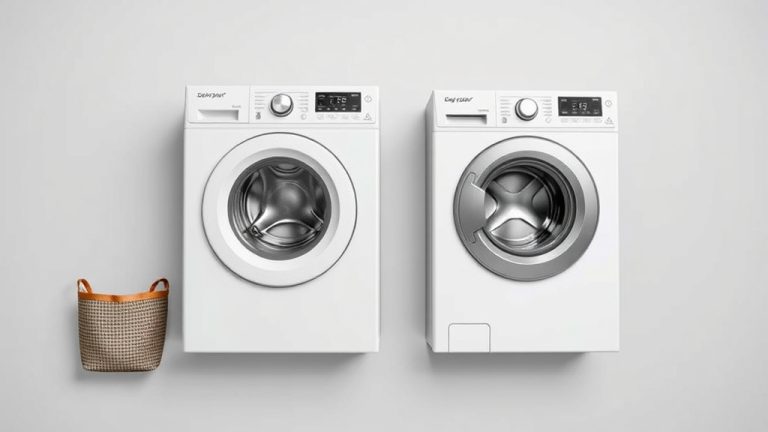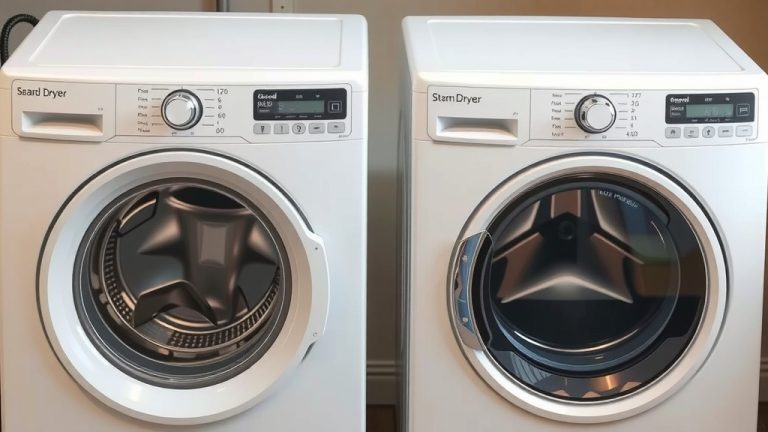
How to Find the Best Washing Machine for Your Home
Finding the best washing machine for your home means balancing your specific needs with current technology and budget. You should focus on capacity, energy efficiency, and the types of cycles offered. Consider whether you prefer a top-load or front-load model, as each has its own advantages.
We’ve researched countless models and found that the top machines today offer smart features and gentle fabric care. When choosing, think about your laundry habits and what kind of cleaning power you truly need. It’s also wise to check reliability ratings and consumer reviews to avoid future headaches.
- Capacity: Match drum size to your household’s laundry volume.
- Efficiency: Look for ENERGY STAR ratings to save on utility bills.
- Type: Decide between top-load (faster, usually cheaper) and front-load (gentler, uses less water).
- Cycles: Ensure it has the specific wash programs you’ll use most often.
- Budget: Set a price range and stick to it, but prioritize longevity.
Let’s dive into the details to help you pinpoint the perfect washing machine for your laundry room.
Choosing the Right Washing Machine for Your Home
Navigating the world of washing machines can feel overwhelming. You want a reliable workhorse that gets clothes clean without breaking the bank. We’ve researched the latest models and consumer feedback to help you make a smart choice. This guide focuses on key features that matter most for your laundry room.
Understanding the Two Main Types: Top-Load vs. Front-Load
The first big decision you’ll face is whether to go with a top-load or a front-load washing machine. Both have their loyal fans and unique benefits. We’ll break down what makes each one tick, so you can pick the best fit for your lifestyle.
Top-Load Washers: The Classic Choice
Top-load washers have been a laundry room staple for decades. They are known for their simplicity and often come with a lower price tag. If you prefer to add clothes mid-cycle or avoid bending down, this might be your winner.
Agitator vs. Impeller Top-Loaders
Within top-loaders, there are two main styles. The most traditional uses an agitator, a central post that twists and turns your clothes. This is great for tough stains but can be rougher on fabrics. Newer models often feature an impeller. This is a low-profile cone or disc at the bottom of the drum that spins and creates currents to move clothes. They generally use less water and are gentler on your laundry.
Front-Load Washers: The Modern Powerhouse
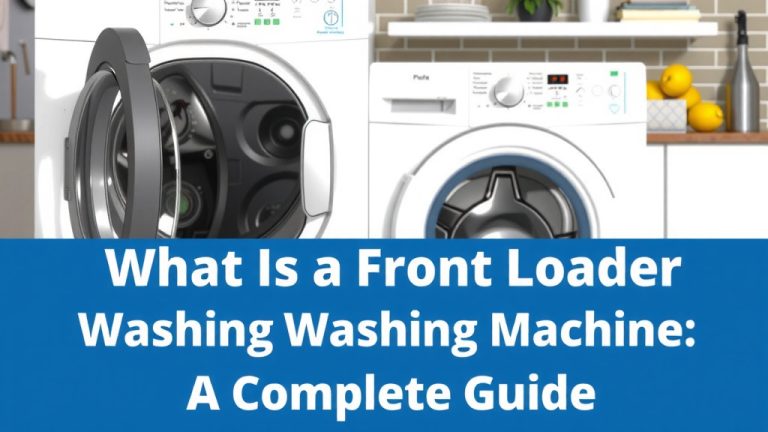
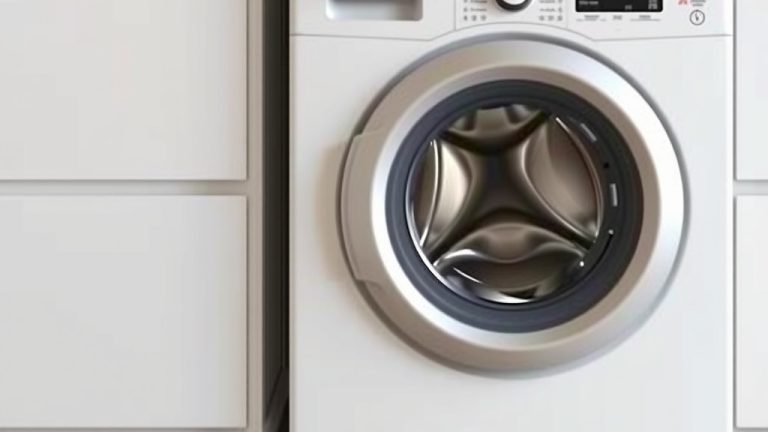
Front-load washers have gained popularity for their efficiency and cleaning performance. They tumble clothes in a horizontal drum, which uses gravity and less water. Many people find they are much gentler on fabrics, helping your clothes last longer.
Advantages of Front-Loaders
We found that front-loaders typically offer better energy efficiency, using less water and electricity. They also tend to have higher spin speeds, meaning your clothes come out drier and require less time in the dryer. This can lead to significant savings on your utility bills over time.
Considerations for Front-Loaders
While great for cleaning, front-loaders often have a higher upfront cost. They also require you to bend down to load and unload, which can be a concern for some. It’s also important to leave the door ajar between washes to prevent mold and mildew buildup inside the drum.
Key Features to Look For
Beyond the basic type, several features can make a big difference in your laundry experience. Let’s explore what to prioritize when you’re comparing models.
Capacity: How Much Can It Hold?
This is where you match the machine to your household. A family of four will need a much larger capacity than a single person. We recommend looking at drum size in cubic feet. For smaller households, 2.5 to 3.5 cubic feet might suffice. Larger families, or those who do fewer, bigger loads, might want 4.0 cubic feet or more.
Energy and Water Efficiency: Saving Money and the Planet
Appliances that are kinder to the environment often save you money too. Look for the ENERGY STAR label. These machines meet strict energy efficiency guidelines set by the U.S. Environmental Protection Agency. They use less energy and water than standard models. Many consumers report noticing a difference in their utility bills.
Wash Cycles and Settings: Tailored Cleaning
Think about your typical laundry. Do you often wash delicates, heavy-duty items, or bulky bedding? Most machines offer standard cycles like normal, heavy-duty, and delicates. We found that advanced models include specialized cycles such as steam, sanitization, quick wash, and even allergen removal. Having the right cycle can extend the life of your clothes and ensure they get the best clean.
Spin Speed: Getting Clothes Drier Faster
The spin speed, measured in revolutions per minute (RPM), determines how much water is extracted from your clothes. Higher RPMs mean clothes come out drier. This can shorten drying time, saving energy and wear on your dryer. For front-loaders, look for speeds of 1000 RPM or higher.
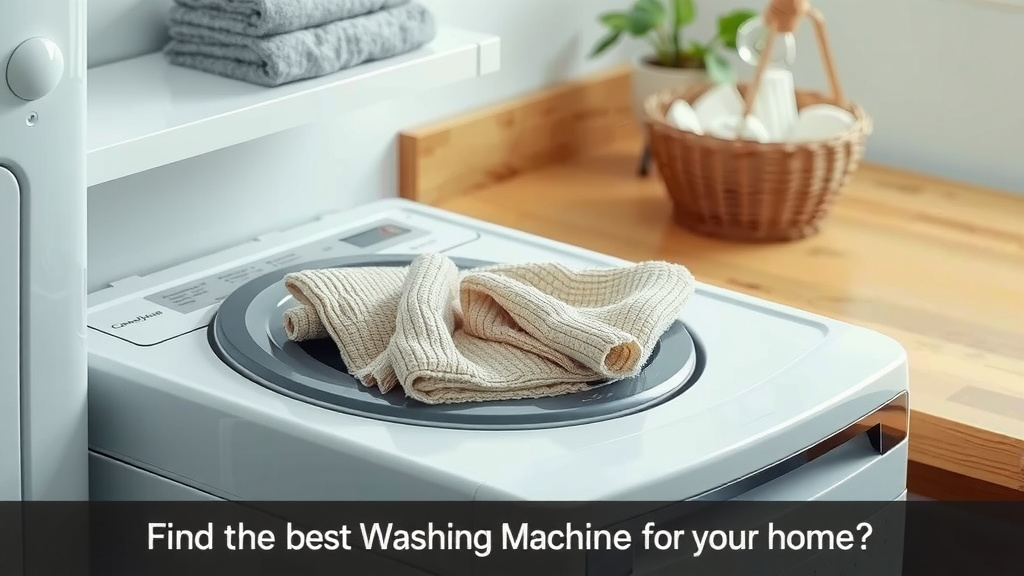
Considering Your Budget and Reliability
It’s easy to get caught up in all the bells and whistles. Setting a budget upfront is smart. However, we also found that investing a little more in a reliable brand can save you money on repairs down the line. Check consumer reviews and reliability ratings from sources like Consumer Reports for insights into which brands tend to last longer.
| Feature | Top-Load (Agitator) | Top-Load (Impeller) | Front-Load |
|---|---|---|---|
| Cleaning Power | Very Good (can be rough) | Good | Excellent (gentle) |
| Water Usage | High | Medium | Low |
| Energy Usage | Medium | Medium-Low | Low |
| Price Range | Lower | Mid-Range | Higher |
| Fabric Care | Fair | Good | Excellent |
Remember to factor in warranty details and the availability of service in your area. A washing machine is a significant purchase, and ensuring it will serve you well for years to come is key.
Your Laundry Machine Checklist
Ready to narrow down your options? Keep this quick checklist handy:
- Is the capacity right for your household size?
- Does it have the wash cycles you actually need?
- Is it ENERGY STAR certified for efficiency?
- Does the spin speed help with drying time?
- Does the type (top/front load) suit your preferences?
- Is the brand known for reliability and good reviews?
Conclusion
You’re now well-equipped to find the best washing machine for your home. Remember to balance capacity, efficiency, and cycle needs with your budget. Front-loaders often offer superior fabric care and water savings, while top-loaders can be simpler and more budget-friendly. We’ve seen that checking reliability ratings is also smart for long-term satisfaction. Take your time, use our checklist, and you’ll soon enjoy cleaner clothes with your perfect new appliance.
Frequently Asked Questions
How often should I clean my washing machine?
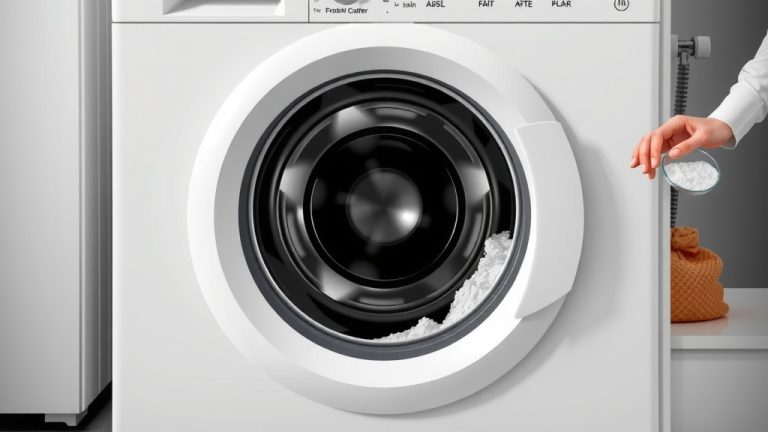
You should aim to clean your washing machine at least once a month. This helps prevent odors, mold, and mildew buildup. Running a cleaning cycle or a hot water cycle with vinegar or a specialized cleaner will keep it fresh.
What does ENERGY STAR certified mean for a washing machine?
An ENERGY STAR certified washing machine uses less energy and water than standard models. This certification means it meets strict energy efficiency guidelines. You’ll notice savings on your utility bills and reduce your environmental impact.
Are front-load washers truly better for clothes than top-loaders?
Yes, front-load washers are generally gentler on fabrics. They tumble clothes rather than using an agitator, which can cause less wear and tear. This means your clothes are likely to last longer when washed in a front-loader.
What is a good spin speed (RPM) for a washing machine?
A higher spin speed helps extract more water from your clothes, reducing drying time. For front-load washers, we recommend looking for speeds of 1000 RPM or higher. This efficiency translates to less time in the dryer and potential energy savings.
How can I tell if a washing machine brand is reliable?
To gauge reliability, we suggest checking consumer reviews and ratings from trusted sources like Consumer Reports. Look for brands that consistently receive high marks for durability and customer satisfaction. Investing in a reliable brand can save you from costly repairs down the road.