Choosing Your Perfect Washing Machine: A Home Guide
Selecting the right washing machine for your home involves considering capacity, energy efficiency, and your laundry habits to ensure it meets your needs without breaking the bank. Think about how much laundry you do each week and the types of items you typically wash.
Finding the perfect washing machine can feel overwhelming with so many models available. We found that understanding the difference between top-load and front-load machines is a great starting point. Both have their own pros and cons depending on what you prioritize for your household.
- Match machine size to your laundry needs.
- Prioritize energy and water efficiency.
- Decide between top-load and front-load. Decide between top-load and front-load washing machines; our guide to top-rated top-loading models can help.
- Consider special wash cycles you might use.
- Don’t forget about your budget and available space.
Below, we’ll break down each factor to help you make the best choice for your home. Let’s find that perfect laundry companion!
Choosing Your Ideal Washing Machine
Selecting the right washing machine is a big decision for your household. It’s not just about getting clothes clean; it’s about finding a machine that fits your lifestyle. We’ll walk you through the key features to consider so you can make a smart choice.
Understanding Washing Machine Types
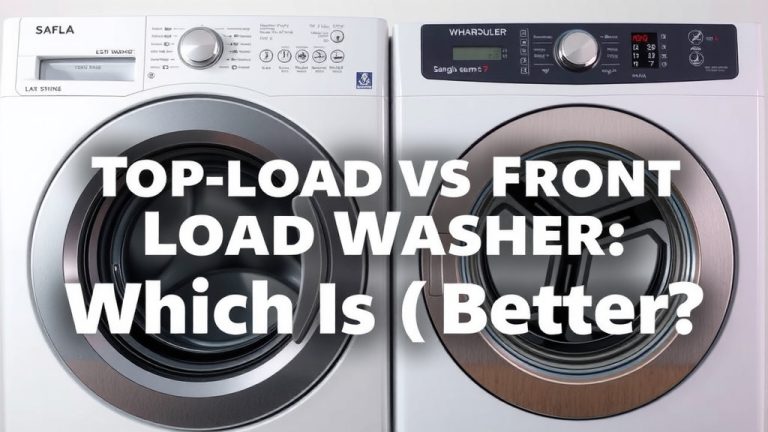
The first big choice you’ll face is between top-load and front-load washing machines. Each has its own set of advantages and disadvantages. Understanding these differences will help you narrow down your options significantly.
Top-Load Washers
Top-load washers have the loading door on the top. You add your clothes by lifting the lid. This type of machine is often easier to load for many people. You don’t have to bend over as much. They also tend to be less expensive upfront.
Agitator vs. Impeller Models
Within top-loaders, there are two main styles: agitator and impeller. Agitator models have a central post that twists and turns your clothes. This is a very traditional design. Impeller models use a low-profile disc at the bottom. This disc spins, creating a washing action with less wear on fabrics.
We found that impeller models generally use less water than agitator models. They also tend to be gentler on your clothes. However, agitator models often have a reputation for a more vigorous clean, which some users prefer for heavily soiled items.
Front-Load Washers
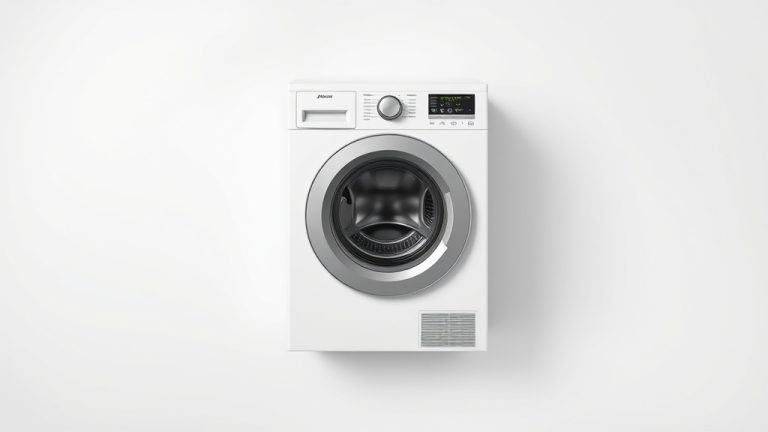
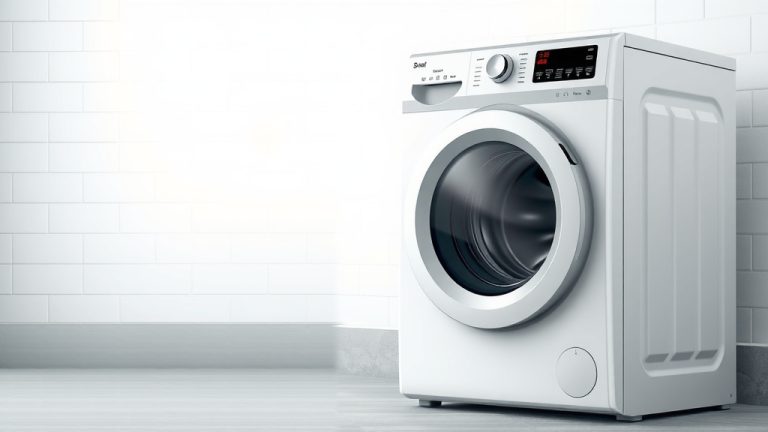
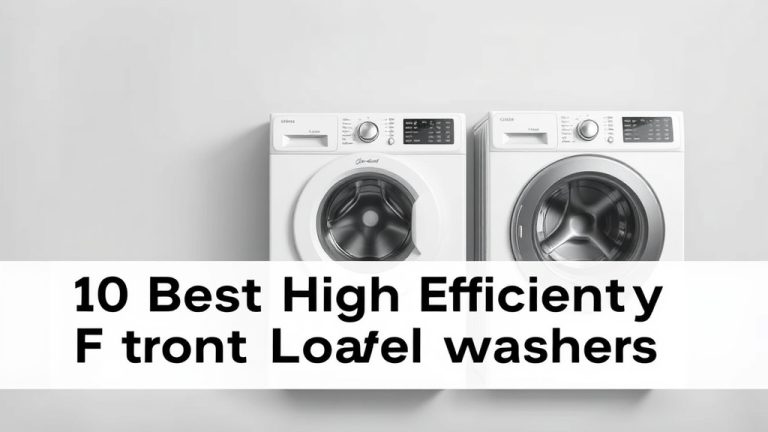
Front-load washers have the door on the front. You load clothes by opening a round door at the base of the machine. These machines use a tumbling action to wash clothes. They are known for being very water and energy efficient. They also tend to be gentler on fabrics.
Many front-loaders offer better cleaning performance for tough stains. They also spin at higher speeds, which extracts more water. This means your clothes will spend less time in the dryer, saving you time and energy. Many experts recommend front-loaders for their efficiency (U.S. Department of Energy).
On the flip side, front-loaders typically have a higher purchase price. You also have to bend down to load and unload them. Some people find the cycle times a bit longer, though many newer models have quick wash options.
Capacity: How Much Laundry Do You Have?
Washing machine capacity is measured in cubic feet. It tells you how much laundry the drum can hold. Choosing the right capacity is key to efficient laundry days. A machine that’s too small means more loads. Too large, and you might waste water and energy on small loads.
Small Households (1-2 people)
If you’re a single person or a couple, a smaller capacity machine might be perfect. Think around 2.0 to 3.5 cubic feet. This size is great for smaller apartments or if you don’t generate a lot of laundry. It will save you energy and water.
Medium Households (3-4 people)
For a small family or two adults who do a moderate amount of laundry, a mid-size capacity is ideal. Look for machines between 3.5 to 4.5 cubic feet. This is a popular size because it can handle a good variety of laundry needs. It’s a good balance between size and efficiency.
Large Households (5+ people)
If you have a large family or frequently wash bulky items like comforters, you’ll need a high-capacity machine. This usually means 4.5 cubic feet or larger. These machines can handle large loads, meaning fewer cycles. This can be a huge time-saver.
Energy and Water Efficiency Matters
Washing machines use a significant amount of energy and water. Choosing an efficient model can save you money on utility bills and is better for the environment. Look for the ENERGY STAR label. This certification means the machine meets strict energy efficiency guidelines set by the U.S. Environmental Protection Agency.
Understanding EnergyGuide Labels
Every washing machine comes with an EnergyGuide label. This label estimates the yearly operating cost and energy consumption. Comparing these labels will show you which models are the most efficient. Many guidelines recommend looking for machines with the lowest estimated yearly cost (ENERGY STAR).
Water Usage Differences
Front-load machines are typically more water-efficient than top-loaders. They use less water to get the clothes clean. Some high-efficiency (HE) top-loaders also use less water than older models. Check the specs for gallons per load to compare.
Special Cycles and Features to Consider
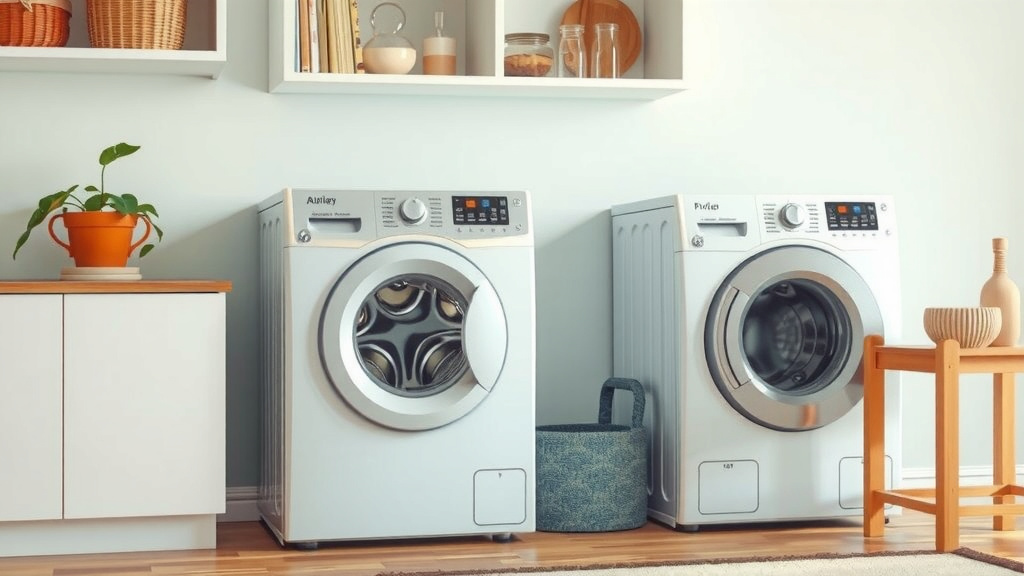
Modern washing machines come with a variety of cycles and features. Think about the types of items you wash most often. Do you have delicate clothing? Heavily soiled work clothes? Babies with sensitive skin?
Consider these common cycles:
- Delicate/Hand Wash: For lingerie, silks, and other fragile items.
- Heavy Duty: For heavily soiled items like towels or work clothes.
- Quick Wash: For lightly soiled items when you’re in a hurry.
- Sanitize: Uses high heat to kill germs, great for bedding or baby clothes.
- Steam: Helps to remove wrinkles and sanitize clothes.
Some machines also offer steam cleaning. This can help reduce allergens and sanitize your laundry. Smart features are also becoming more common. These allow you to control your washer via a smartphone app.
Budget and Space Constraints
Your budget will play a big role in your decision. Basic top-load models are generally the most affordable. Front-load machines and those with advanced features tend to cost more. Remember to factor in the long-term savings from energy-efficient models.
Also, measure the space where your washing machine will go. This includes width, depth, and height. Don’t forget to account for door clearance. This is especially important for front-loaders so the door can open fully. Measure your doorways too, just in case!
| Feature | Top-Load (Agitator) | Top-Load (Impeller/HE) | Front-Load |
|---|---|---|---|
| Price (Typical) | Lowest | Mid-Range | Highest |
| Water Usage | Highest | Medium | Lowest |
| Energy Efficiency | Lower | Medium | Highest |
| Gentle on Clothes | Lower | Medium | Highest |
| Cleaning Power | High (for tough stains) | Medium-High | High |
| Ergonomics | Easiest to load (no bending) | Easiest to load (no bending) | Requires bending |
Your Quick Checklist for Selection
Before you commit, run through this quick checklist:
- Capacity: Does it fit your typical laundry load size?
- Type: Do you prefer top-load or front-load convenience?
- Efficiency: Is it ENERGY STAR certified and water-wise?
- Cycles: Does it have the special cycles you need?
- Space: Will it fit comfortably in your laundry area?
- Budget: Does the upfront cost and long-term savings align?
Conclusion
You’ve now got a clear roadmap to choosing the perfect washing machine. Remember, the best machine for your home balances your laundry needs, budget, and available space. We found that considering capacity, efficiency, and load types upfront saves you from buyer’s remorse. By prioritizing energy-efficient models like ENERGY STAR certified options, you’ll also save money on utility bills. Take your time, use the checklist we provided, and you’ll find a reliable laundry companion for years to come.
Frequently Asked Questions
What’s the biggest difference between top-load and front-load washers?
The main difference lies in how they wash and load. Top-loaders let you add clothes from the top and typically use an agitator or impeller to move clothes. Front-loaders have a door on the front and use a tumbling action, generally being more water and energy efficient.
How do I know what washing machine capacity I need?
Capacity is measured in cubic feet. For 1-2 people, aim for 2.0-3.5 cubic feet. Households of 3-4 usually need 3.5-4.5 cubic feet, while larger families or those washing bulky items should look for 4.5 cubic feet or more.
Are HE (High-Efficiency) washing machines really worth the extra cost?
Yes, HE machines, especially front-loaders, use significantly less water and energy. While their initial price might be higher, the long-term savings on utility bills often make them a wise investment.
Do I need special detergent for HE washing machines?
Yes, it’s important to use HE detergent in HE washing machines. These detergents are low-sudsing and formulated to work with the smaller amounts of water used, ensuring proper cleaning and preventing residue buildup.
How can I ensure my new washing machine will fit my laundry space?
Always measure your laundry area carefully, noting the width, depth, and height. Also, measure doorways and hallways the machine needs to pass through. Don’t forget to account for space needed for water hoses and electrical cords, and door clearance for front-loaders.