Choosing the Right Washing Machine: A Buyer’s Guide
Shopping for a new washing machine can feel overwhelming, but finding the right one is totally doable! The best way to shop for a washing machine is to first consider your laundry needs and budget. Then, research different types like top-loaders and front-loaders to see which best fits your lifestyle and available space.
We know buying a major appliance isn’t a small decision. Many homeowners look for machines that offer energy efficiency and sufficient capacity for their families. Understanding features like cycle options and smart technology can also help you make a more informed choice.
- Know your laundry habits.
- Set a realistic budget.
- Compare top-load vs. front-load.
- Check energy efficiency ratings.
- Decide on must-have features.
Ready to find the perfect machine for your home? Let’s walk through exactly how to shop for a washing machine, step by step.
Your Guide to Buying a Washing Machine
Choosing a new washing machine doesn’t have to feel like rocket science. We’ll help you navigate the options so you can pick a machine that makes laundry day less of a chore. Think of this as your personal laundry advisor.
Step 1: Assess Your Laundry Load
Before you even look at machines, think about how much laundry you do. Are you a solo act, or do you have a bustling household of five? This is the **most important factor** in determining the size of the washer you’ll need.
Capacity Matters
Washing machine capacity is measured in cubic feet. A small family (1-2 people) might be perfectly happy with a 2.0 to 3.5 cubic feet capacity. For a larger family (4+ people), you’ll likely want something 4.0 cubic feet or larger. Research shows that a larger capacity can mean fewer loads, saving you time and energy (Energy Star).
Consider your lifestyle. Do you often wash bulky items like comforters or sleeping bags? If so, a larger drum is definitely your friend. You don’t want to be wrestling a duvet into a tiny machine.
Frequency of Laundry
How often do you run the wash? If you do a load every day, a smaller machine might suffice. If you prefer to get it all done on the weekend, a bigger machine will be your savior. We’ve found that many households benefit from a machine that can handle at least a week’s worth of clothes in one go.
Step 2: Top-Loader vs. Front-Loader: The Big Debate
This is often the first big decision you’ll make. Both have their pros and cons, and the right choice really depends on your priorities.
Top-Loading Washers
These are the classic washers many of us grew up with. They’re generally easier to load and unload, and they tend to have a lower upfront cost. Plus, you can usually add forgotten items mid-cycle without much fuss.
Traditional Agitator Top-Loaders
These have a central post (the agitator) that twists and turns to move clothes through the water. They’re known for being tough on stains and dirt, but they can be harder on fabrics. They also tend to use more water than other types.
High-Efficiency (HE) Top-Loaders
These machines lack the central agitator. Instead, they use a wash plate or impellers at the bottom to move clothes. They’re gentler on clothes, use less water, and often have larger capacities. Many experts point to HE models as a more modern and efficient choice (Consumer Reports).
Front-Loading Washers
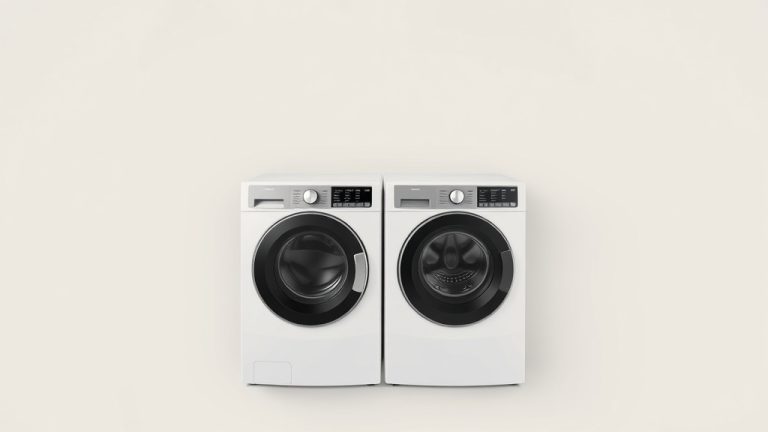
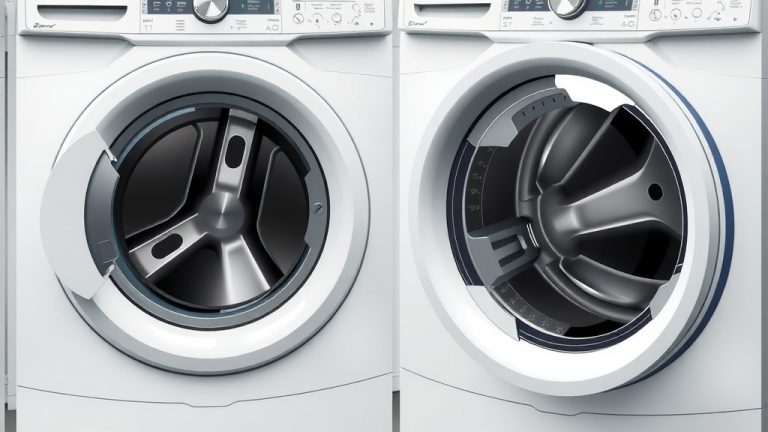
These machines are known for their superior cleaning performance and energy efficiency. They tumble clothes through a smaller amount of water, which is gentler on fabrics and uses less electricity and water. They also typically have higher spin speeds, meaning clothes come out drier, reducing dryer time.
The main downsides? They can be more expensive upfront, and you usually can’t add clothes once a cycle has started. Some people also find the bending down to load and unload less convenient, though pedestals can help with this.
Step 3: Budget and Energy Efficiency
Let’s talk numbers. Washing machines range from a few hundred dollars to over $1,500. Setting a clear budget will help narrow your options considerably.
The Upfront Cost vs. Long-Term Savings
While a cheaper machine might seem appealing, consider the long-term costs. High-efficiency models, even with a higher purchase price, can save you a significant amount on your utility bills over the machine’s lifetime. Many studies show that investing a bit more upfront can pay off. For example, Energy Star certified washers use about 50% less energy and 65% less water than older models (Energy Star).
Understanding Energy Star Ratings
Look for the Energy Star label. Appliances with this certification meet strict energy efficiency guidelines set by the U.S. Environmental Protection Agency. This means they use less energy and water, which is good for your wallet and the planet.
| Feature | Top-Loader (Agitator) | Top-Loader (HE) | Front-Loader |
|---|---|---|---|
| Cleaning Power | Good, can be harsh | Very Good | Excellent |
| Gentle on Clothes | Fair | Good | Excellent |
| Water Usage | High | Low | Very Low |
| Energy Usage | Moderate | Low | Very Low |
| Upfront Cost | Low | Moderate | High |
| Capacity | Moderate | Large | Large |
| Add Clothes Mid-Cycle | Yes | Yes (usually) | No (usually) |
Step 4: Must-Have Features and Cycles
Beyond the basics, washing machines come with a variety of features. Think about what you actually need.
Cycle Options
Most machines offer standard cycles like Normal, Delicates, and Heavy Duty. But do you need specialized cycles? Consider:
- Sanitize cycle: Great for allergy sufferers or households with young children.
- Steam cycle: Helps remove wrinkles and allergens.
- Quick wash: For lightly soiled items you need fast.
- Bulky/Bedding cycle: Essential if you wash large items.
Smart Technology
Some modern washers connect to your Wi-Fi. You can often control them via an app on your smartphone. This might let you start or stop cycles remotely, get notifications when a load is done, or even download new wash cycles. It’s a neat convenience if it fits your budget and tech preferences.
Noise Level
If your laundry room is near living areas, noise might be a concern. Look for machines with low decibel ratings or specific “quiet wash” features. Some manufacturers use advanced suspension systems to reduce vibration and sound.
Your Washing Machine Shopping Checklist:
- Measure your space for height, width, and depth.
- Confirm water hook-up and drain access.
- Decide on your budget, including potential delivery fees.
- Prioritize capacity based on your household size.
- Choose between top-load or front-load based on your needs.
- Check for Energy Star certification.
Conclusion
You’ve got this! Shopping for a new washing machine is much simpler when you break it down. Start by understanding your household’s laundry needs and your budget. Then, weigh the pros and cons of top-loaders versus front-loaders. Don’t forget to factor in energy efficiency and those special cycles that make your life easier. Ready to make laundry day a breeze? Your next step is to measure your laundry space and confirm hook-up access before you start comparing models!
Frequently Asked Questions
What’s the biggest difference between HE top-loaders and front-loaders?
High-efficiency (HE) top-loaders generally use less water than traditional models and are gentler on clothes. Front-loaders are typically the most water and energy efficient, offering excellent cleaning power. Research suggests front-loaders often clean even better and are gentler on fabrics.
How do I know what washing machine capacity I need?
Consider your household size and how often you do laundry. A small family (1-2 people) might need 2.0-3.5 cubic feet. Larger families (4+ people) or those who wash bulky items often should look for 4.0 cubic feet or more. This helps you do fewer loads.
Is an Energy Star certified washer worth the extra cost?
Yes, research indicates it usually is. While the upfront cost might be slightly higher, Energy Star certified washers use significantly less energy and water. This leads to lower utility bills over the machine’s lifespan, saving you money.
Can I add clothes to a front-loader mid-cycle?
Generally, no. Most front-loading washing machines do not allow you to add forgotten items once the cycle has started, as the door is locked for safety and efficiency. Some newer models might have a small pause-and-add feature, but it’s not standard.
What are the benefits of smart washing machines?
Smart washing machines connect to your home Wi-Fi, allowing you to control them via a smartphone app. You can start or stop cycles remotely, receive load completion notifications, and sometimes even download new wash cycles. This offers great convenience for busy households.