Stacked Washer and Dryer Height: What You Need to Know
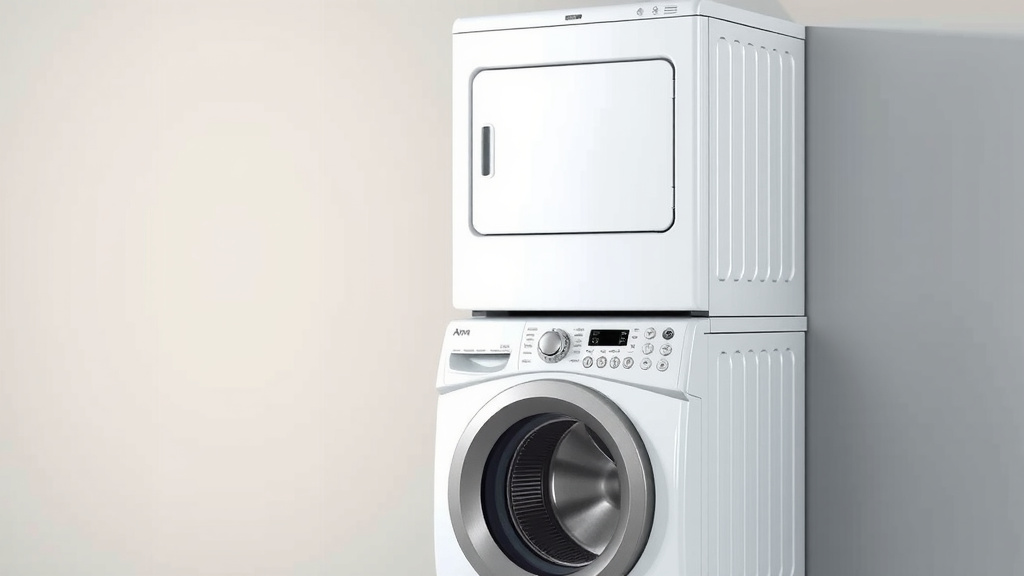
So, you’re wondering how tall a stacked washer and dryer unit actually is? A typical stacked washer and dryer unit stands around 75 inches tall. This means they are roughly the height of a tall dresser or a standard interior door. It’s essential to measure your space before buying to ensure a perfect fit.
When stacked, these appliances save a lot of floor space. This makes them ideal for apartments or smaller laundry rooms. They usually come as a matched set, with the dryer stacked on top of the washer. You’ll want to consider door clearances and vertical height for loading and unloading laundry.
- Stacked washer and dryers are about 75 inches high.
- This height is like a tall dresser.
- They save significant floor space.
- Always measure your space first.
- Consider door and height clearances.
Let’s break down the typical dimensions you’ll find and what you need to measure for your home.
Understanding Stacked Washer and Dryer Heights
So, you’ve got your eye on a stacked washer and dryer combo, huh? They’re fantastic space-savers. But before you imagine that sleek unit fitting perfectly in your nook, let’s talk dimensions. Specifically, how tall are these things when they’re all stacked up?
Most stacked washer and dryer units typically reach about 75 inches in height. Think of it like standing a tall dresser or a standard interior door upright. This height is pretty consistent across many brands and models. It gives you a good ballpark figure to start with.
Why Height Matters in Your Laundry Space
It might seem obvious, but that 75-inch height is more than just a number. It’s key to fitting the unit into your laundry area. You’ll need to consider the ceiling height in the room. Does the unit fit without scraping the ceiling when it’s installed?
Also, think about accessibility. You’ll be loading and unloading clothes into both the washer below and the dryer above. You want to be able to reach the controls and the drums comfortably. It’s about making laundry day a little less of a chore, right?
Typical Dimensions: What to Expect
When you’re shopping, you’ll see a range of sizes, but the overall height remains fairly standard. The depth and width also play a role, but for vertical space, height is your main concern.
Washer and Dryer Unit Height Breakdown
A stacked unit isn’t just one giant appliance. It’s two machines, one stacked on the other. The washer is almost always on the bottom, and the dryer sits on top. This arrangement is engineered for stability and ease of use.
The average washer might be around 35-40 inches tall on its own. The dryer, sitting on top, adds another 35-40 inches. Add in the stacking kit or connector hardware, and you get that total of around 75 inches. We’ve found that some high-capacity models might add a few inches, so always check the specs.
Width and Depth Considerations
While we’re focused on height, don’t forget the other dimensions. Most stacked units are about 27-30 inches wide. This is similar to a standard standalone washer or dryer. The depth is usually around 30-34 inches.
These dimensions ensure they fit into typical laundry closet or alcove spaces. However, always double-check the exact measurements for the model you’re interested in. Manufacturers do have slight variations.
Measuring Your Space: The Absolute Must-Do
This is where we get down to business. You’ve got the general idea of the height, but your space is unique. You absolutely need to measure it accurately. Don’t guess!
Ceiling Height Check
When measuring for ceiling height, you need to be precise. Stand a tape measure in the spot where the unit will go. Measure from the floor directly up to the ceiling. It sounds simple, but it’s easy to get off by an inch.
Remember to account for any ceiling features like light fixtures or sloped ceilings. You need at least a few inches of clearance above the unit for safety and proper installation. Many manufacturers recommend at least 3-4 inches of clearance above the appliance.
Doorway and Alcove Clearances
Think about getting the unit *into* the laundry space. The stacked unit is tall and often comes pre-assembled or in large sections. Measure the height of any doorways or openings it needs to pass through.
Sometimes, you might need to tilt the unit to maneuver it. You also need enough room around the sides and the back for ventilation and plumbing. Check the installation manual for specific clearance requirements. Many experts recommend at least 1 inch of clearance on the sides and 4-6 inches in the back (Home Ventilation Institute).
Vertical Space for Loading and Unloading
Consider the top dryer. Are you tall enough to comfortably reach into the drum and remove wet clothes? Or will you be on tiptoes every time? This is especially important if you have shorter individuals in the household who will be doing laundry.
The height of the dryer door from the floor is important here. It’s something to think about for long-term usability. You want to avoid strain and make loading easy.
Comparing Stacked Units to Side-by-Side Appliances
It’s helpful to see how stacked units compare to traditional side-by-side washers and dryers, especially when it comes to space.
Floor Space Savings
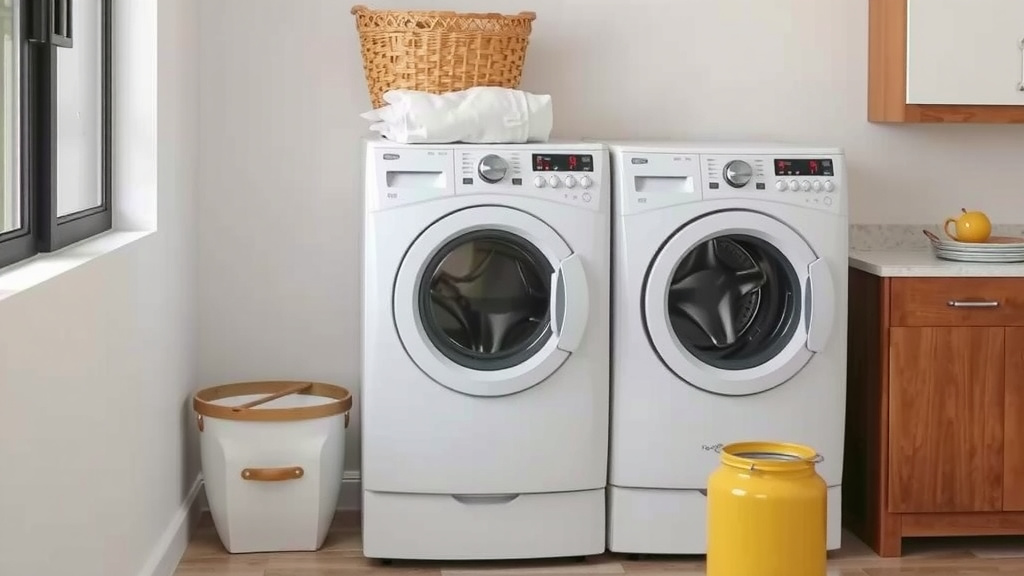
The biggest win for stacked units is floor space. A side-by-side setup requires the width of both machines, often around 54-60 inches or more. A stacked unit, on the other hand, uses the footprint of just one machine, typically 27-30 inches wide.
This freed-up floor space can be used for folding surfaces, storage, or simply a less cluttered laundry area. It’s a huge advantage for smaller homes or apartments.
Total Vertical Footprint
The typical side-by-side washer and dryer combo will have a combined height of around 70-80 inches, but they occupy that width side-by-side. The stacked unit concentrates that height into a single vertical column. This makes it ideal for narrow closets or rooms where width is limited.
| Appliance Type | Typical Height (Inches) | Typical Width (Inches) | Typical Depth (Inches) |
|---|---|---|---|
| Stacked Washer & Dryer | 75 | 27-30 | 30-34 |
| Side-by-Side Washer & Dryer (each) | 35-40 | 27-30 | 30-34 |
| Side-by-Side Washer & Dryer (total footprint) | 35-40 | 54-60+ | 30-34 |
Are There Compact Stacked Units?
Yes, you can find more compact stacked units. These are often designed for RVs or very small apartments. They might be a few inches shorter overall, perhaps closer to 70 inches. However, they also tend to have smaller capacities.
Always check the specifications carefully if you need a unit on the shorter side. They are less common than the standard 75-inch models. Capacity is usually the trade-off for reduced height.
Your Pre-Purchase Checklist
Before you click “buy” or head to the store, run through this quick checklist. It’ll help you avoid any surprise measurements!
- Measure the height of your laundry space ceiling.
- Measure the width and depth of the intended spot.
- Check the height of all doorways the unit must pass through.
- Ensure enough clearance for ventilation (sides and back).
- Think about your own height for loading the top dryer.
- Confirm the exact model dimensions with the manufacturer’s specs.
Conclusion
So, you’ve got a handle on stacked washer and dryer heights! Remember, most units clock in around 75 inches tall, similar to a tall dresser. This vertical design is your best friend for saving precious floor space in smaller homes. You’ve learned that precise measurement of your laundry area, including ceiling height and doorway clearances, is absolutely essential. Don’t forget to consider your own reach for loading the top dryer.
Before you make your final decision, take one last look at your space and the specific dimensions of the unit you’re considering. Taking these steps ensures your new stacked laundry center fits perfectly and makes laundry day a breeze.
Frequently Asked Questions
Can I fit a stacked washer and dryer in a standard closet?
Generally, yes. Most stacked units are designed to fit into standard laundry closets, typically around 30 inches wide. However, you must measure the closet’s height, width, and depth to be certain. Always check the specific model’s dimensions against your closet’s measurements.
How much space do I need above a stacked washer and dryer?
You’ll need some clearance above the unit for proper installation and ventilation. Most manufacturers recommend at least 3-4 inches of space above the stacked washer and dryer. This prevents overheating and ensures the appliance can be installed correctly without hitting the ceiling.
What is the average height of just the stacked washer?
When stacked, the washer is the bottom unit and typically stands about 35-40 inches tall on its own. The dryer sits on top of this. The total height of around 75 inches accounts for both machines plus any stacking hardware.
Are there any stacked washer and dryer units shorter than 75 inches?
Yes, compact or apartment-sized stacked units can be shorter, sometimes around 70 inches. These are less common and usually have smaller drum capacities. If you have a very low ceiling, you’ll need to carefully research models that specify a shorter height.
Does the height of the stacked unit affect loading the dryer?
The height can definitely impact loading the top dryer. A standard 75-inch unit means the dryer door is quite high off the floor. If you’re on the shorter side or have mobility issues, consider this. You might find it challenging to reach into the dryer drum without stretching.