Stackable Washer Dryer Height: What to Know
Stackable washer and dryer units typically stand between 70 to 80 inches tall when stacked. This height includes both the washer and the dryer placed one on top of the other. Always measure your intended space carefully, as dimensions can vary slightly between brands and models, but this range covers most common options.
When planning for a stacked laundry setup, considering the overall height is essential for fit and accessibility. You’ll want to ensure you have enough vertical clearance for the unit itself, plus a little extra room for connections and potential repairs. Many homeowners opt for stackable units to save precious floor space in apartments or smaller homes, making the height a primary factor in their decision.
- Stackable washer/dryer height: 70-80 inches typically.
- This measurement includes both units.
- Always check specific model dimensions.
- Consider space for connections and airflow.
Now, let’s dive deeper into the specifics of stackable washer and dryer dimensions and what you need to know before you buy.
Understanding Stackable Washer and Dryer Heights
When you’re looking to save space, a stackable washer and dryer is a genius solution. But how tall are these space-saving superheroes? Typically, a stacked unit will reach about 70 to 80 inches from floor to the very top of the dryer. This measurement includes both appliances placed one on top of the other. It’s like giving your laundry appliances a vertical makeover!
You might be wondering if this height is just a suggestion or a strict rule. While the 70-80 inch range covers most common models, you’ll always want to double-check the specific dimensions for the set you’re considering. Different brands and even different models within the same brand can have slight variations. Think of it like buying shoes; even within the same size, there can be a little wiggle room!
Why Height Matters So Much
The height of your stacked laundry unit isn’t just a number; it’s a gateway to a functional laundry space. Too tall, and you might not be able to reach controls or load clothes comfortably. Too short, and you might not be maximizing your vertical storage potential. It’s all about finding that sweet spot for your unique needs and your home.
Consider this: if you’re on the shorter side, reaching the top controls of an 80-inch unit might feel like a stretch. Conversely, if you’re quite tall, a shorter unit might mean you’re bending over more than you’d like. We found that user reviews often mention accessibility as a key factor in their satisfaction with stacked units. It’s worth picturing yourself using the machines at different heights.
The Impact on Accessibility
Accessibility is a huge part of the equation. Can you easily reach the detergent dispenser? Are the dryer controls within comfortable reach? For many, the height is directly tied to the ease of everyday use. If you have children or other family members who will be doing laundry, their height should also be a consideration. Imagine trying to teach a teenager how to use the machines; you’ll want them to be able to do it safely and easily.
Many manufacturers have put thought into this. Some models offer control panels that are more centrally located or easier to reach. Research indicates that older adults or individuals with mobility issues often find standard stacked units manageable, but always check the specific placement of controls. You wouldn’t want to feel like you’re performing a balancing act just to select a cycle!
Measuring Your Space: The Unsung Hero
Before you get too excited about a sleek, stacked laundry setup, let’s talk about measuring. This is where the magic really happens, or where a potential headache can arise. You need to measure the space where you plan to put your washer and dryer stack. This means measuring the height, width, and depth of the alcove or closet.
Here’s a pro-tip from our research: always measure multiple times. Once for the initial estimate, and then again when you’re ready to make a purchase. You’ll want to measure from the floor to the ceiling or the top of the cabinet. Don’t forget to account for any obstructions like pipes or electrical outlets that might affect the fit. It’s better to be overly cautious than to be stuck with a unit that won’t fit!
Beyond the Stacked Unit: Clearance is Key
So, you’ve measured the height of the stacked unit itself. Great! But that’s not the whole story. You also need to consider the clearance around the appliances. This is super important for a few reasons, and we found that many homeowners overlook this. It’s not just about fitting the units in; it’s about ensuring they can operate efficiently and be serviced if needed.
Manufacturers typically recommend a certain amount of clearance on the sides and back of the units. This is often for ventilation purposes. Washers and dryers generate heat, and good airflow helps them run cooler and more efficiently. We found that neglecting this can lead to decreased performance and even shorten the lifespan of your machines. Think of it like giving your appliances room to breathe.
Don’t Forget Connections and Maintenance
When you stack your washer and dryer, the hookups for water, drainage, and electricity are usually at the back of the bottom unit. This means you’ll need some space behind the washer to connect everything. Similarly, if a repair is ever needed, a technician will need room to access the back of the units. We learned that most experts recommend at least 1-2 inches of clearance at the back.
What about the top? You might need a little extra space above the dryer for venting hoses. The dryer vent hose needs to run from the back of the dryer to your home’s external vent. If this hose is kinked or crushed, it can cause major problems. Many sources, like those from appliance repair guides, suggest leaving a few inches of space above the dryer for the vent hose to connect without being squashed.
Average Dimensions to Expect
Let’s get down to the numbers. We’ve established that the 70-80 inch range is typical for stacked height. But what about the individual units? Most compact stackable washers and dryers have a standard width of around 27 inches. This is quite a bit narrower than traditional standalone machines, which is a huge space saver!
The depth is also generally consistent, usually falling between 28 to 30 inches. So, when you stack a washer (typically around 30-34 inches tall) and a dryer (also around 30-34 inches tall), you’re essentially doubling the height of one unit, plus a little extra for the stacking kit and any slight differences in design. This is why the 70-80 inch range is so common. It’s a straightforward addition of two appliance heights.
Comparing Stackable vs. Traditional Sizes
It’s helpful to see how stackable units compare to their non-stacked counterparts. Traditional full-size washers and dryers are often much wider, around 27-30 inches each, but their heights are typically much shorter, usually in the 36-40 inch range. This means a traditional setup takes up significantly more floor space.
When stacked, you get the benefit of two machines in roughly the footprint of one standard-sized washing machine. The key trade-off is the vertical space required. This is why it’s crucial to know your ceiling height! Imagine trying to squeeze a 75-inch tall stack into a closet that’s only 72 inches high. It just won’t work. Always think vertical clearance!
Understanding the Stackable Kit
Most stackable washer and dryer units require a special stacking kit. This is essentially a bracket or frame that securely fastens the dryer on top of the washer. The height of this kit is usually minimal, maybe an inch or two, and is already factored into the overall stacked height you see advertised or measured. It’s designed to keep everything stable and prevent the dryer from tipping over.
These kits are usually model-specific or designed for a particular brand’s appliances. You can’t just grab any old brackets from the hardware store! Safety is the number one concern here. We found that using the correct, manufacturer-approved stacking kit ensures that your appliances are securely connected and ready for use. It’s a small but mighty piece of hardware.
| Appliance Type | Typical Width | Typical Depth | Typical Individual Height | Typical Stacked Height |
|---|---|---|---|---|
| Stackable Washer | 27 inches | 28-30 inches | 30-34 inches | N/A |
| Stackable Dryer | 27 inches | 28-30 inches | 30-34 inches | N/A |
| Stacked Unit (Washer + Dryer + Kit) | ~27 inches | ~28-30 inches | N/A | 70-80 inches |
| Traditional Washer | 27-30 inches | 28-34 inches | 36-40 inches | N/A |
| Traditional Dryer | 27-30 inches | 28-34 inches | 36-40 inches | N/A |
Making the Right Choice for Your Space
So, how tall are stackable washers and dryers? We know the general range is 70-80 inches. But the real question is, how tall are they for your space and your needs? It’s a decision that requires a little planning and careful measurement.
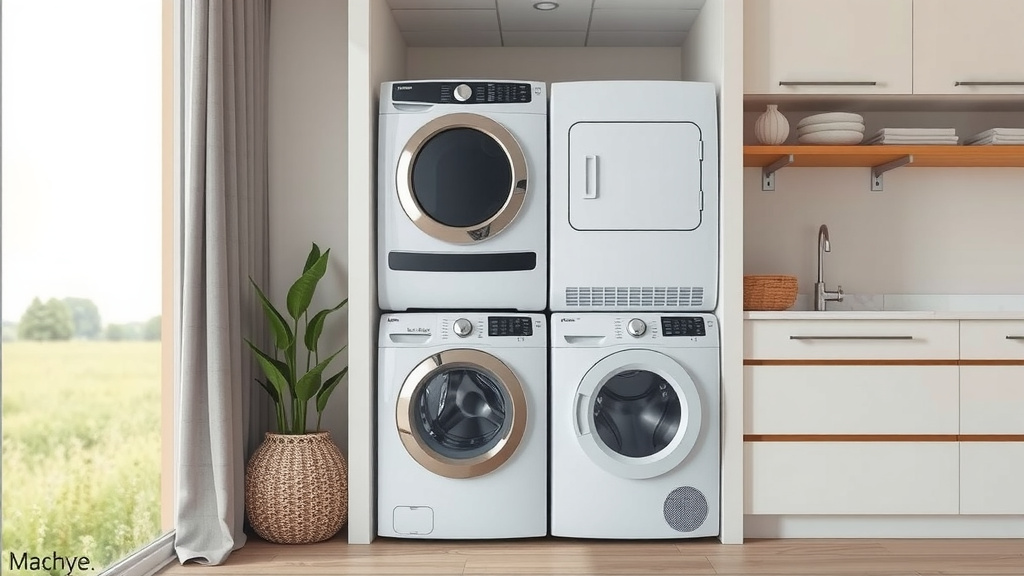
Consider the overall footprint. Stackable units are fantastic for maximizing square footage. They allow you to have a full-sized washer and dryer in a closet or a corner that might otherwise be too small for a traditional side-by-side setup. This is a huge win for apartment dwellers or homeowners with compact living spaces. It’s about working smarter, not harder, with the space you have.
A Quick Checklist Before You Buy
Before you click that “buy now” button, run through this quick checklist. It’ll help ensure you’re making an informed decision and won’t have any unpleasant surprises:
- Measure your available vertical space (floor to ceiling/cabinet top).
- Measure your available width and depth.
- Account for at least 1-2 inches of clearance at the back for connections and airflow.
- Ensure there’s enough space above for the dryer vent hose.
- Consider who will be using the machines and their reach.
- Always check the specific dimensions of the washer, dryer, and stacking kit.
Conclusion
You’ve learned that stackable washer and dryer units typically stand between 70 to 80 inches tall. Remember, this measurement includes both appliances and the stacking kit. The exact dimensions can vary, so always check manufacturer specifications for your chosen model. By carefully measuring your space and considering clearances for connections and ventilation, you can ensure your new stackable set fits perfectly. Taking these steps means you’ll enjoy a functional, space-saving laundry solution without any surprises.
Frequently Asked Questions
What is the minimum ceiling height needed for a stackable washer and dryer?
For most stackable units, you’ll need a minimum ceiling height of around 72 inches (6 feet). This allows for the typical 70-80 inch stacked height plus a little extra buffer. Always measure the height of your specific stacked unit and add a few inches for peace of mind.
Can I stack any washer and dryer, or do they need to be a specific ‘stackable’ model?
You should generally only stack machines designed for it. Most stackable washers and dryers are built with specific dimensions and features to allow secure stacking. Attempting to stack non-stackable units can be unsafe and may damage the appliances.
How much space do I need behind a stacked washer and dryer?
You typically need at least 1 to 2 inches of clearance at the back of the stacked units. This space is essential for water hoses, electrical connections, and proper ventilation for the dryer.
Are stackable units shorter than regular washers and dryers side-by-side?
Yes, while a stacked unit is tall, its footprint on the floor is much smaller. A traditional side-by-side setup takes up considerably more floor space because both units sit next to each other.
What if the top dryer is too high for me to reach comfortably?
If reach is a concern, look for models with control panels located lower on the dryer or consider a shorter stacked unit if available. Some people also find a small step stool helpful for accessing the top controls.