Standard Stackable Washer Dryer Width: Your Buying Guide
A standard stackable washer and dryer typically measures about 27 inches wide. This common width helps them fit into most laundry spaces. You’ll often find this same width for side-by-side units too, so it’s a good number to keep in mind.
Understanding these dimensions is key when you’re planning your laundry room. It ensures your new appliances will actually fit! We found that many manufacturers stick close to this 27-inch standard, but variations do exist. Knowing the exact size prevents costly mistakes down the line.
- Stackable units are usually 27 inches wide.
- This width is common for both stacked and side-by-side washers and dryers.
- Always measure your space before buying.
- Some models might be slightly wider or narrower.
Let’s look closer at the typical dimensions and what to expect when choosing a stackable washer and dryer set.
Understanding Standard Stackable Washer and Dryer Widths
So, you’re curious about how much room your stackable washer and dryer will take up side-to-side. It’s a really important question to ask when you’re planning your laundry space. We’ve looked into it, and the most common width you’ll find for a standard stackable unit is 27 inches.
This 27-inch width isn’t just for stackable units, either. It’s also the standard width for many freestanding, side-by-side washers and dryers. This consistency is helpful because it means a lot of laundry room layouts and standard doorways are designed with this measurement in mind. You’re likely to encounter this measurement a lot.
The 27-Inch Standard: What It Means for You
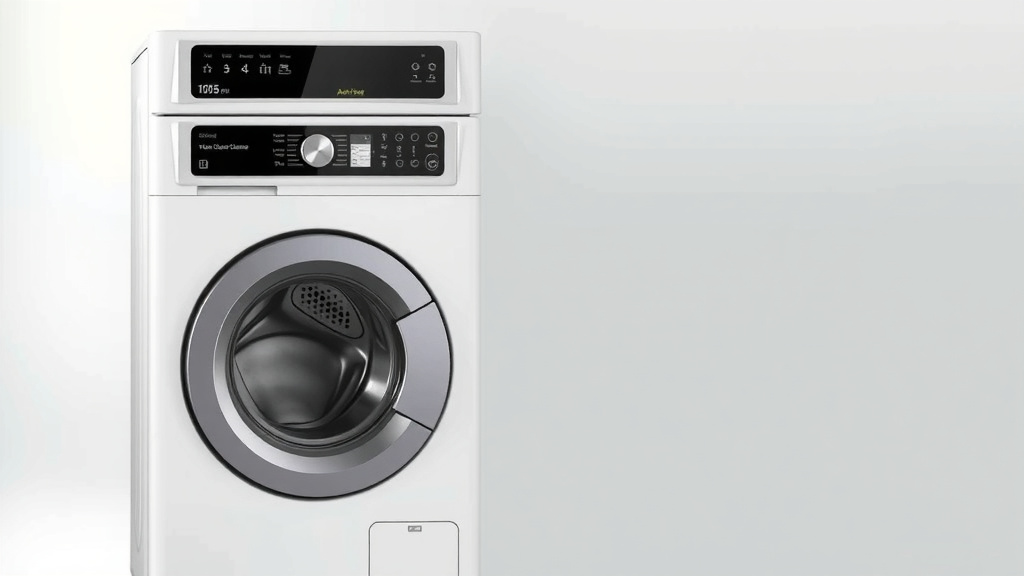
When we talk about a “standard” width, we’re referring to the most common measurement found across many brands and models. For stackable washer and dryer sets, 27 inches is the magic number. This measurement typically applies to both the washer and the dryer when they are stacked together. It’s the width of the actual appliance, not including any extra space you might need around it.
Why this specific size? Manufacturers aim for a width that fits into the majority of homes. Most laundry rooms, closets, or even small nooks are built to accommodate appliances around this 27-inch mark. It’s a sweet spot that balances capacity with space efficiency.
Washer Dimensions Within the Stackable Set
The washer is usually the bottom unit in a stackable pair. Its width is the primary determinant of the set’s overall width. Again, you’ll find that most standard stackable washers are right around the 27-inch mark. This allows for a decent drum size, capable of handling average family loads.
Some manufacturers might offer slightly compact models, perhaps an inch narrower. Conversely, some high-capacity or feature-rich models might creep up to 28 or even 29 inches. However, 27 inches remains the most prevalent dimension you’ll encounter when shopping.
Dryer Dimensions Within the Stackable Set
The dryer, perched on top, generally matches the width of the washer. So, if your washer is 27 inches wide, expect the dryer to be the same. This ensures a neat, cohesive look and stable stacking. The internal capacity of the dryer might vary more significantly than the washer’s width, but the external dimensions usually stay consistent with the set.
When you buy a “stackable set,” it’s usually designed to fit together perfectly. This means the widths should align precisely, making the stacking process straightforward. You won’t typically have a dryer that overhangs the washer significantly, which would be a safety and aesthetic issue.
Beyond the Standard: Variations to Watch For
While 27 inches is the standard, it’s not the *only* size. As you shop, you’ll notice some variation. This is where paying close attention to the product specifications becomes your best friend. Are you looking for something ultra-compact, or do you have a bit more wiggle room?
Some manufacturers cater to smaller spaces with “apartment-sized” or “compact” stackable units. These might be a few inches narrower, perhaps in the 24-inch range. On the flip side, if you have a larger laundry room and need maximum capacity, you might find some less common models that are slightly wider, possibly pushing 28 or 29 inches. Always double-check the manufacturer’s listed dimensions.
Compact Stackable Units
If space is your primary concern, you might be looking at compact stackable washers and dryers. These units are designed for very tight quarters, like small apartments or RVs. Their width often hovers around 24 inches. This reduction in width means a smaller drum capacity, so they’re best suited for smaller households or lighter laundry needs.
These narrower units are less common than the standard 27-inch models. You might have a more limited selection of brands and features. But if a 24-inch width is what you need, they are available. It’s a trade-off: more space saved for potentially less laundry capacity.
High-Capacity or Oversized Units
On the other end of the spectrum, some consumers want the largest capacity possible, even in a stackable format. While less common for stacking due to stability and doorway concerns, you might occasionally find models that are a bit wider than the standard. We’ve seen some units that reach 28 or even 29 inches in width.
These larger units might offer bigger drums for handling bulky items like comforters or larger family loads. However, it’s crucial to remember that any width significantly exceeding 27 inches could present challenges. You’ll need to ensure your doorways, hallways, and the laundry space itself can accommodate them. Measure twice, buy once is excellent advice here.
What About Depth and Height?
While width is often the most discussed dimension, don’t forget depth and height! These are equally important for ensuring your stackable set fits. The depth of a standard stackable washer and dryer is usually around 30 to 34 inches. This accounts for the drum, door, and any rear venting or connections.
Height is where stackable units truly differ from side-by-side. When stacked, the total height can be anywhere from 70 to 80 inches, sometimes more. This is considerably taller than a single unit. You’ll need to check your ceiling height, especially in basements or older homes where ceilings might be lower.
Depth Considerations
The depth determines how far the appliance will stick out from the wall. This is important for traffic flow in your laundry area. Most standard models fall within the 30-34 inch range. Ensure you have enough clearance so the doors can open fully and people can walk by without feeling cramped. Some models might have slightly different depths depending on the control panel placement or door design.
Height for Stacking
The combined height is substantial. A typical washer might be around 34-36 inches tall, and the dryer similar. Stacked, they easily exceed 6 feet. Always measure your ceiling height and compare it to the total stacked height of the unit you’re considering. Don’t forget to factor in any necessary clearance above the unit for ventilation or maintenance.

Measuring Your Space: Your Essential Checklist
Before you fall in love with a specific model, let’s get practical. You need to measure your laundry space. This is the most critical step to avoid surprises. Think of it as your personal pre-flight check for appliance installation!
- Measure the width of the intended space.
- Measure the depth of the intended space, from the wall forward.
- Measure the height of the space, from floor to ceiling.
- Measure all doorways and hallways the appliances must pass through.
- Check for nearby water hookups, electrical outlets, and dryer vents.
- Consider any required clearance around the appliances for airflow or access.
The Importance of Checking Manufacturer Specifications
We’ve given you the general guidelines, but manufacturers are the ultimate source of truth. Every brand and model can have slight variations. Always consult the product specifications sheet or the online product page for the exact dimensions. This is especially important if you’re looking at compact units or models with unique features.
These specifications will list the precise width, depth, and height. They might also include details about required clearances. Ignoring this step is like planning a road trip without a map – you might end up somewhere unexpected! Your peace of mind depends on accurate measurements.
| Dimension | Common Range | Typical Standard |
|---|---|---|
| Width | 24″ – 29″ | 27″ |
| Depth | 30″ – 34″ | ~32″ |
| Stacked Height | 70″ – 80″+ | ~75″ |
Conclusion
You’ve learned that a standard stackable washer and dryer is most commonly 27 inches wide. This width is a practical choice for many homes, aligning with common laundry room designs. While most units stick to this measurement, remember that compact or high-capacity models can vary, sometimes down to 24 inches or up to 29 inches.
Always measure your space precisely and check manufacturer specifications before buying. This simple step prevents headaches and ensures your new laundry setup fits perfectly. Your next step? Grab your measuring tape and head to the store or start browsing online!
Frequently Asked Questions
Will a 27-inch wide stackable washer and dryer fit in my 30-inch wide laundry closet?
Yes, a 27-inch wide stackable unit should comfortably fit within a 30-inch laundry closet. This leaves you with 3 inches of clearance on either side. This space is helpful for easier installation and proper airflow around the appliances.
Are compact stackable washer and dryer units always 24 inches wide?
Compact stackable units are typically around 24 inches wide, but this isn’t a strict rule. Some might be slightly smaller or a touch wider depending on the brand and specific design. Always confirm the exact dimensions with the manufacturer’s product details.
Can I stack a dryer that is slightly wider than the washer?
It’s generally not recommended to stack a dryer that is significantly wider than the washer. Stackable sets are designed for stability and safety when their widths match. A mismatched width could create an unstable unit and pose a safety hazard.
Do I need to account for door swings when measuring for a stackable washer and dryer?
You don’t need to account for door swings in the same way you would for side-by-side units, as the doors typically open forward. However, you do need to ensure there’s enough clearance for the doors to open fully without obstruction from walls or other cabinets.
If I buy a stackable set, are the washer and dryer widths guaranteed to be the same?
Yes, when you purchase a washer and dryer as a matched “stackable set,” the widths of both units are designed to be identical. This ensures they stack neatly and securely, providing a cohesive appearance in your laundry space.