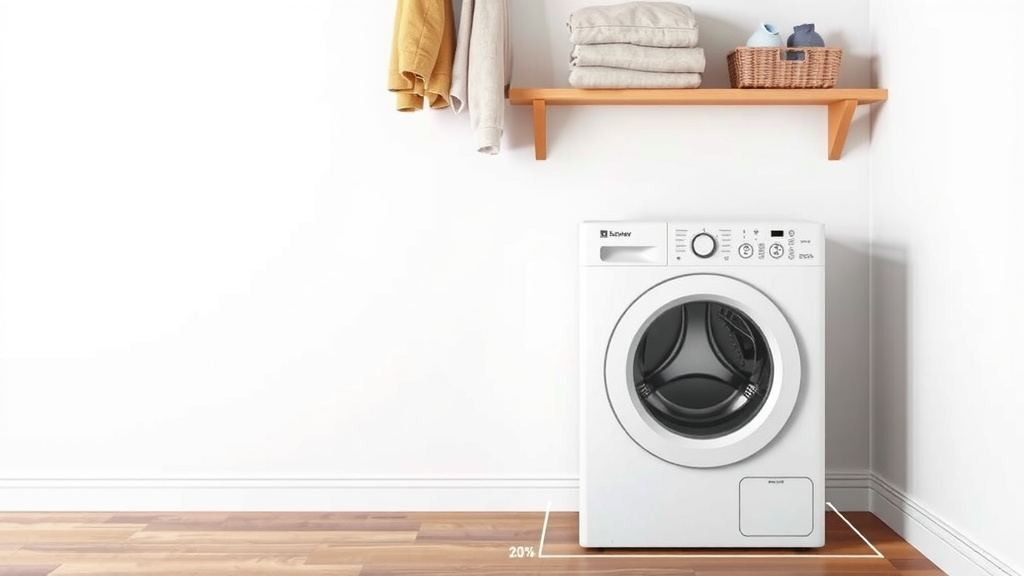
Dryer Dimensions Explained: What Size Fits Your Space
Wondering about the exact size of a dryer? Most standard dryers measure around 27 inches wide. They typically stand about 36 inches tall and are roughly 25-30 inches deep. These dimensions are pretty consistent across many brands and models you’ll find.
Knowing these measurements is super helpful. It helps you figure out if your new dryer will fit in your laundry room. You also need to consider clearance for the door to open. This information helps you avoid a surprise fitting disaster later on.
- Standard dryer width is about 27 inches.
- Height is usually around 36 inches.
- Depth ranges from 25 to 30 inches.
- Always check clearance for door swing.
Let’s get down to the specifics and help you find the perfect dryer fit for your home.
Understanding Your Dryer’s Footprint: Key Dimensions Explained
So, you’re ready to bring home a new dryer, or maybe you’re just curious about the appliance that keeps your clothes fresh and fluffy. It’s smart to know the exact dimensions of a dryer. This information helps ensure a smooth installation and prevents any awkward surprises. We’re here to break down what you need to know about dryer sizes, so you can proceed with confidence.
Standard Dryer Measurements: The Nitty-Gritty Details
When we talk about dryer dimensions, we’re generally referring to the main body of the appliance. This excludes things like vent hoses or any consoles that might stick out a bit. Most manufacturers aim for consistency, which is good news for shoppers!
Width: The Most Consistent Dimension
The width is often the most standardized measurement. For most standard electric and gas dryers, you’ll find the width is consistently around 27 inches. This measurement is taken from the widest point on either side of the dryer’s cabinet. Think of it as the space your dryer will occupy from left to right when you’re facing it.
This 27-inch width is designed to fit through standard doorways and align nicely with most washing machines. It’s a dimension that manufacturers have agreed upon to make appliance shopping and installation much simpler for you.
Height: How Tall is Your Dryer?
The height of a standard dryer is typically around 36 inches. This measurement is from the floor to the highest point of the dryer’s cabinet. It’s important to note that some models might have a slightly raised control panel or a lid that extends a bit higher. Always measure from the floor to the very top of the unit you’re considering.
This height is generally designed to be at a comfortable level for loading and unloading clothes. It also often aligns with the height of matching washing machines, creating a uniform look in your laundry space.
Depth: Accounting for the Back and Door
Depth is where you’ll see a bit more variation. Standard dryer depths usually range from about 25 to 30 inches. This measurement is taken from the front of the dryer door to the very back of the unit. This depth includes the main cabinet, and often the back panel where the dryer vent connects.
When considering depth, it’s absolutely essential to account for a few extra inches. You’ll need space for the dryer vent hose to connect without kinking. A kinked hose can reduce drying efficiency and even pose a fire hazard. Additionally, you need clearance for the door to swing open fully.
The Importance of Venting Space
The dryer vent is usually located on the back of the unit. This vent needs a bit of breathing room. Experts recommend leaving at least 3 to 6 inches of space between the back of the dryer and the wall. This allows for proper airflow and easy connection of the vent duct. Ignoring this can lead to longer drying times and potential overheating.
Door Clearance: Don’t Forget to Swing!
You’ll also need to factor in the space required for the dryer door to open. Most dryer doors swing outwards from the side. If your dryer is placed in a tight corner or right next to a wall, you might have trouble opening the door all the way. This can make loading and unloading a real hassle. Measure the space needed for the door to open to its fullest extent. Many models allow for reversible door swings, which can be a lifesaver in tricky installations.
Beyond Standard Sizes: Compact and Stackable Options
While 27 inches wide is the norm, the world of dryers offers more. If you have a smaller living space or unique laundry room setup, you’ll be happy to know there are other options available.
Compact Dryers: Small but Mighty
Compact dryers are designed for apartments, RVs, or smaller homes. These typically measure around 24 inches wide. Their height and depth might also be slightly reduced compared to full-size models. They’re a great solution when space is at a premium, though they do have a smaller drum capacity.
Stackable Units: Utilizing Vertical Space
Stackable washer and dryer sets are fantastic for maximizing floor space. When stacked, the dryer sits on top of the washing machine. The footprint on the floor is essentially the size of the washing machine, often around 27 inches wide and 27-30 inches deep. However, the overall height will be roughly double that of a single unit, so make sure your ceiling height is sufficient!
When looking at stackable units, the dimensions often refer to the individual washer or dryer, but always check the specifications for the combined height if they are designed to be stacked.
A Quick Comparison Table
To make things even clearer, let’s look at a simple comparison of typical dryer dimensions. This should help you visualize the space each type might take up.
| Dryer Type | Typical Width | Typical Height | Typical Depth |
|---|---|---|---|
| Standard Full-Size | ~27 inches | ~36 inches | ~25-30 inches |
| Compact | ~24 inches | ~30-34 inches | ~20-24 inches |
| Stackable (Individual Unit Footprint) | ~27 inches | ~36 inches | ~27-30 inches |
Before You Buy: Your Essential Checklist
Ready to measure up? Here’s a quick checklist to make sure you don’t miss anything when checking the dimensions for your new dryer:
- Measure the width of your intended dryer space.
- Measure the height from the floor to any obstructions (like shelves or cabinets).
- Measure the depth of the space, and add extra for the vent hose.
- Check the clearance needed for the dryer door to open fully.
- Note the location of your dryer vent hookup and any water hookups.
- Consider the width of your doorways to ensure the dryer can be delivered and installed.
By taking these measurements and considering these factors, you’ll be well on your way to selecting a dryer that fits perfectly into your home and your life. Happy shopping!
Conclusion
You now have a clear picture of standard dryer dimensions, typically around 27 inches wide, 36 inches tall, and 25-30 inches deep. Understanding these measurements, along with the essential clearance for venting and door swing, is key to a hassle-free installation. Don’t forget to consider compact and stackable options if space is a challenge. Your next step is to grab your tape measure and check your laundry space before you fall in love with a new dryer online. A few minutes of measuring now can save you a lot of headaches later!
Frequently Asked Questions
Do all dryer brands have the same dimensions?
While many standard dryers adhere to similar dimensions, there can be slight variations between brands and models. It’s always best practice to check the specific product dimensions listed by the manufacturer. This ensures you get the most accurate size for your planning.
How much space do I really need behind the dryer?
You’ll need to account for about 3 to 6 inches of space behind your dryer. This is to allow for the vent hose connection and proper airflow. Without this space, the hose can kink, reducing efficiency and potentially creating a safety hazard.
Can I place a dryer right next to a wall?
Placing a dryer right next to a wall can cause issues. You need enough room for the door to swing open fully for easy loading and unloading. Also, you need clearance for the vent hose connection at the back. Many dryer doors are reversible, which can help in tight spots.
Are compact dryers much smaller than standard ones?
Yes, compact dryers are designed for smaller spaces and are noticeably smaller. They typically measure around 24 inches wide, compared to the standard 27 inches. Their height and depth are also usually reduced, making them a good fit for apartments or small homes.
What’s the difference in dimensions for a stackable dryer?
When stacked, the dryer sits on top of the washer, so the floor footprint is similar to a standard washer, usually about 27 inches wide. However, the combined height of the stacked unit will be roughly double that of a single appliance. Always confirm the total stacked height if considering this setup.