Washer and Dryer Dimensions: What You Need to Know
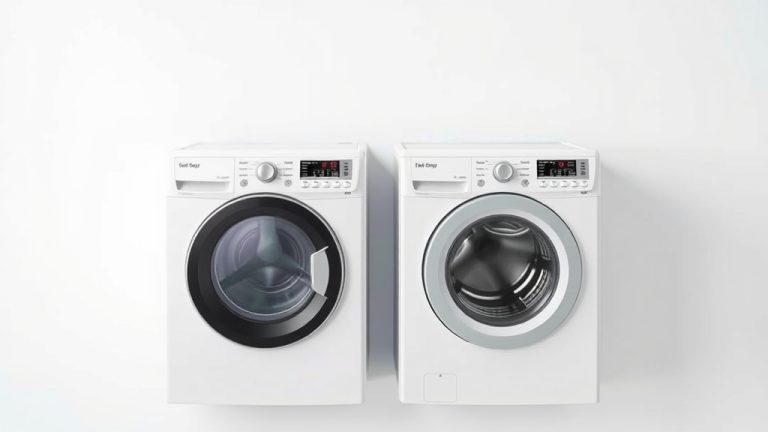
When wondering about the dimensions of a washer and dryer, know that standard sizes typically range from 27 to 30 inches wide. Most units also measure around 39 to 40 inches high and 30 to 34 inches deep. These dimensions help ensure they fit into most laundry spaces. It’s important to measure your own space carefully before buying new appliances.
Beyond the standard, you’ll also find compact or apartment-sized units. These are great for smaller homes or tight laundry closets. They are usually narrower, around 24 inches wide. High-efficiency models might also have slightly different depth measurements. Always check the specific model’s specifications before making a purchase to avoid surprises.
- Washer & dryer dimensions vary.
- Standard units are about 27-30 inches wide.
- Compact models are narrower for small spaces.
- Always measure your laundry area first.
- Check appliance specs for exact measurements.
Let’s dive into the specifics of washer and dryer sizes so you can find the perfect fit for your home.
Understanding Washer and Dryer Dimensions for Your Home
You’ve likely considered the look and features of a new washer and dryer. But have you thought about how they’ll actually fit in your laundry space? Getting the right dimensions for your washer and dryer is key to a happy laundry day. We’ll walk you through what to expect and how to measure.
Standard Sized Washer and Dryer Units
Most homes in the U.S. use standard-sized laundry appliances. These are designed to fit in typical laundry rooms or alcoves. Understanding these common sizes is your first step.
Width of Standard Washers and Dryers
When you look at a standard washing machine or dryer, the width is usually the most noticeable dimension. You’ll typically find they are about 27 to 30 inches wide. This range covers the majority of top-load and front-load models. It’s a good starting point for your measurements.
Height and Depth of Standard Machines
Beyond the width, the height and depth are also important. Standard washing machines are generally around 39 to 40 inches high. Dryers might be slightly shorter, but they are often designed to sit side-by-side or stacked. The depth of these machines usually falls between 30 to 34 inches. This measurement is critical for ensuring the doors can open fully and that you have enough room to walk around.
What About the Vent Hose?
Don’t forget the dryer vent hose! This adds to the overall depth needed. You’ll want an extra 4 to 6 inches of space behind the dryer for the vent. This is for proper airflow and to prevent kinks. A kinked hose can make your dryer run inefficiently and pose a fire risk. Many experts recommend this clearance for safety and performance (National Fire Protection Association).
Compact and Apartment-Sized Laundry Pairs
Living in a smaller space or a city apartment often means dealing with limited laundry areas. Luckily, manufacturers offer compact washers and dryers designed for these situations. These are a lifesaver when space is at a premium.
Smaller Footprint for Tight Spaces
Compact units are noticeably narrower than standard models. You’ll commonly see them around 24 inches wide. This smaller width is perfect for fitting into tight closets or small alcoves. They can make doing laundry possible even in places you wouldn’t expect.
Stackable Options for Vertical Space
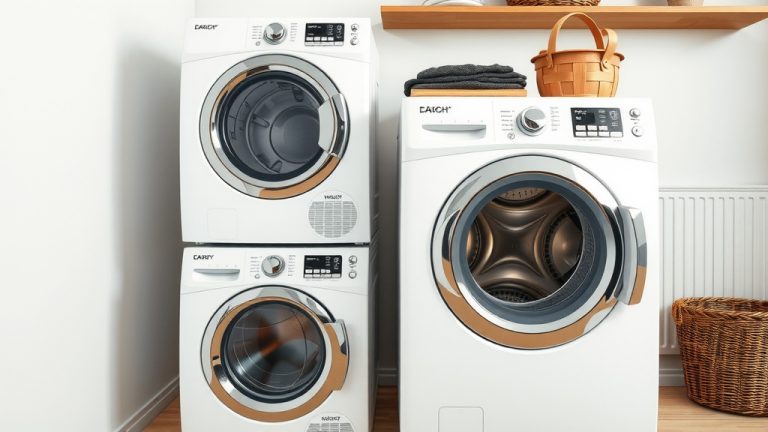
Many compact washers and dryers are designed to be stacked. This is a brilliant way to use vertical space. A stacked unit takes up the floor space of just one appliance. This is a popular choice for small apartments or homes without a dedicated laundry room. Always check the manufacturer’s instructions for safe stacking.
Capacity Considerations for Compact Units
While compact units save space, they also typically have a smaller drum capacity. This means you might need to do more loads of laundry. It’s a trade-off for the convenience of a smaller size. For single individuals or couples, the capacity is usually perfectly adequate. For larger families, you might find them a bit restrictive.
Understanding Special Features and Their Impact on Size
Some advanced features can slightly alter the dimensions of washers and dryers. While the core measurements might stay similar, small differences can matter.
High-Efficiency (HE) Models
Many high-efficiency washers use less water. This can sometimes affect the drum design and, consequently, the depth. While most HE models fit within the standard depth range, it’s always wise to double-check the specific model’s measurements. You want to ensure it still allows for proper door clearance.
Washer-Dryer Combos
These are all-in-one units that wash and dry clothes in a single machine. They are often similar in size to compact or apartment-sized units, usually around 24 inches wide. They are fantastic space savers but typically have a smaller capacity and longer cycle times since they perform two functions.

Measuring Your Laundry Space: A Crucial Step
Before you get swept away by shiny new appliances, you must measure your laundry area. This is the most important step to avoid costly mistakes.
Width, Height, and Depth Check
Use a reliable tape measure. Record the exact width available for your appliances. Measure the height from the floor to any overhead cabinets or obstructions. Finally, measure the depth from the wall to the edge of any doors or openings. Pay attention to the door swing direction for both the room door and appliance doors.
Don’t Forget Doorways and Hallways
It’s not just about where the appliances will sit. You also need to make sure you can get them into your home. Measure the width of all doorways, hallways, and stairwells the appliances will have to pass through. Many full-size machines might struggle to fit through a standard 30-inch doorway.
Here’s a quick checklist to guide your measurements:
- Measure the width of your laundry space.
- Measure the height from floor to ceiling or obstructions.
- Measure the depth of the space, considering door swings.
- Measure all doorways and hallways for delivery access.
- Note the space needed for water hookups and dryer vents.
- Add a few extra inches for working space and ventilation.
Key Dimensions at a Glance
To help you visualize, here’s a quick comparison of common sizes:
| Appliance Type | Typical Width (inches) | Typical Height (inches) | Typical Depth (inches) |
|---|---|---|---|
| Standard Washer | 27 – 30 | 39 – 40 | 30 – 34 |
| Standard Dryer | 27 – 30 | 35 – 39 | 30 – 34 |
| Compact Washer/Dryer | 24 | 30 – 34 | 25 – 28 |
| Washer-Dryer Combo | 24 | 33 – 35 | 26 – 30 |
Remember, these are general ranges. Always consult the product specifications for the exact model you are considering. Manufacturers provide detailed diagrams and measurements on their websites and product tags. Taking a few extra minutes to measure thoroughly will save you a lot of hassle down the road.
Conclusion
You’ve now seen how washer and dryer dimensions vary, from standard giants to space-saving compact models. Remembering to measure your laundry space, including doorways and hallways, is your most critical next step. Don’t just eyeball it; grab that tape measure! Knowing the exact space you have will help you avoid the headache of returning an appliance that just won’t fit. Your perfect laundry setup is within reach if you plan ahead.
Frequently Asked Questions
Do I need extra space behind the washer and dryer?
Yes, you do. You’ll typically need an extra 4 to 6 inches behind your dryer for the vent hose. This ensures proper airflow, prevents kinks, and maintains efficiency. Your washer may need a few inches for water hookups and to prevent vibrations.
Are washer and dryer dimensions the same for all brands?
While there are standard size ranges, exact dimensions can vary slightly between brands and models. It’s always best to check the specific product specifications for the unit you are interested in. This ensures you have the most accurate measurements.
Can a standard-sized washer and dryer fit through a normal doorway?
Maybe not. Standard machines are often wider than 30 inches. You must measure your doorways, hallways, and any stairwells to ensure the appliance can be delivered to its final spot. You might need a professional delivery team for tight spaces.
How do washer-dryer combos differ in size from separate units?
Washer-dryer combos are usually the same width as compact units, around 24 inches. They are designed for space-saving and often have a shallower depth than standard separate machines. Their all-in-one nature means they have a smaller capacity and longer wash-dry cycles.
Should I account for the door swing when measuring my laundry space?
Absolutely. You need to measure the depth of your space, considering how far the appliance doors and your room doors will open. Ensure there’s enough clearance for both, so you can comfortably load and unload laundry and access the space.