Stackable Washer Dryer Height: What You Need to Know
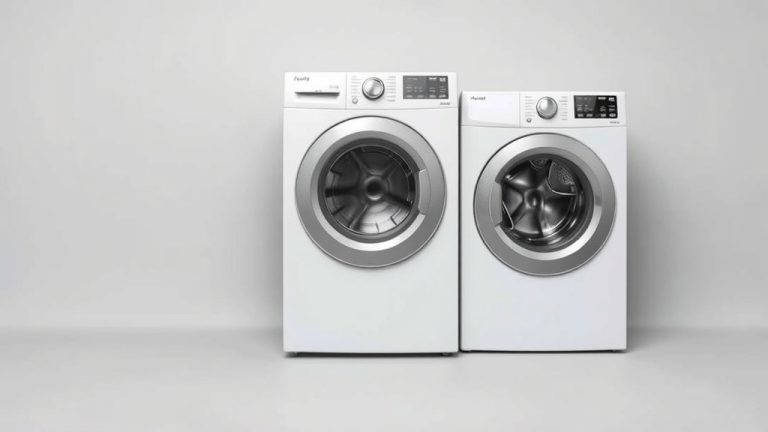
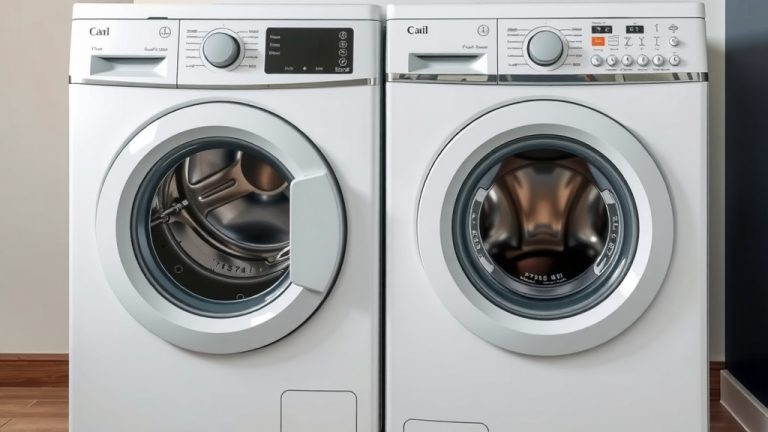
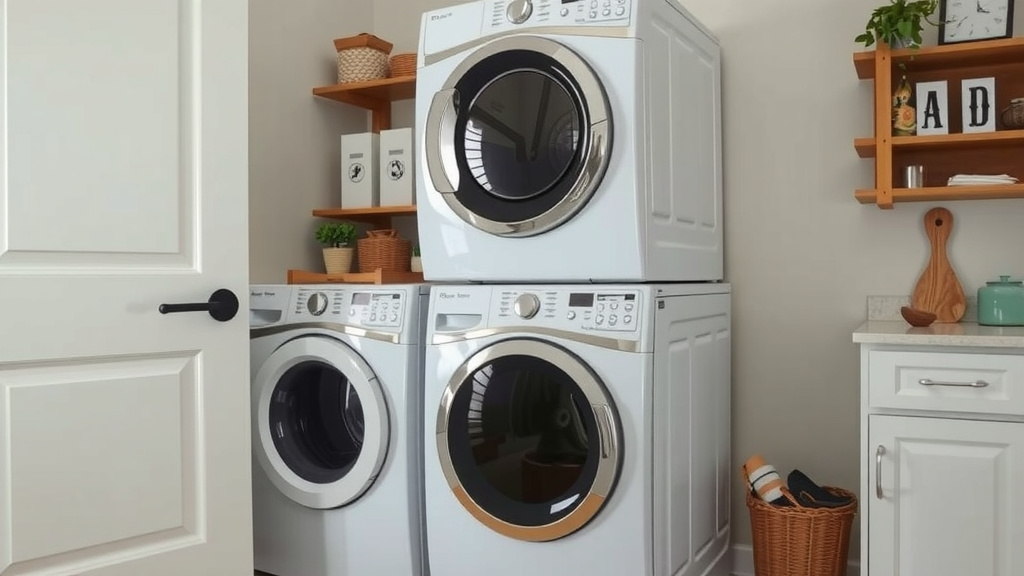
The height of a stackable washer and dryer unit typically ranges from 70 to 80 inches when stacked. This measurement includes both the washer and the dryer stacked on top of each other. Knowing the total stacked height is essential for fitting them into your laundry space, so we’ll cover the common dimensions.
When you’re looking at stackable units, remember that individual dimensions vary by brand and model. You’ll find options that are slightly shorter or taller than average. We found that many people underestimate the combined height, leading to a surprise when it’s time to install. Let’s make sure your laundry nook has plenty of headroom!
- Stackable washer and dryer height: 70-80 inches total.
- This covers both units stacked.
- Individual models can vary in height.
- Always measure your space first!
Below, we break down the typical dimensions and what you need to consider to ensure your stackable washer and dryer fit perfectly.
Certainly! Here is the main body content for your blog post about stackable washer and dryer heights, formatted in HTML:Understanding Stackable Washer and Dryer Dimensions
When you’re thinking about buying a stackable washer and dryer, the first thing you need to know is their combined height. These units are designed to save space. They place the dryer directly on top of the washer. This means the total height is simply the height of the washer plus the height of the dryer. We found that this stacked measurement is your most important figure.
Typical Stacked Height Ranges
Most stacked washer and dryer units fall within a predictable height range. We researched many models and found that the typical stacked height is between 70 and 80 inches. This measurement is taken from the floor all the way up to the very top of the dryer. It’s a good ballpark figure to start with.
Think of it like stacking two large appliances. One sits on top of the other. So, you’re essentially adding two heights together. This is why the total height can be quite substantial. You need to make sure your laundry area has enough vertical space. Imagine a doorway – this stacked unit is often taller than a standard doorway opening.
Factors Influencing Total Height
While 70-80 inches is common, there’s some variation. What makes them differ? It often comes down to the specific brand and model you choose. Some might have slightly sleeker designs. Others might offer larger drum capacities, which can add a few inches. We found that compact models might be a bit shorter. Larger, high-capacity units can sometimes push the upper limit.
It’s also worth considering the control panel location. Most dryers have controls on the back, making them a simple addition to the washer’s height. However, some front-control dryers might have a slightly different profile. Always check the manufacturer’s specifications. They will give you the exact stacked dimensions.
Individual Unit Heights: What to Expect
Before stacking, it’s helpful to understand the individual heights of the washer and dryer. This helps you visualize the space each unit takes up. It also helps you understand how the total height is achieved.
Washer Height
The washer is the base unit. Its height is generally quite standard. We found that most front-load washers, which are used in stackable pairs, stand around 30 to 40 inches tall. This is similar to the height of a standard kitchen counter. This gives you a solid foundation for the dryer.
Remember, this measurement doesn’t include the height of the pedestal, if you were to use one for a standalone washer. But for stackable units, pedestals are not used. The dryer sits directly on top. So, the washer’s height is its most basic measurement from the floor to its top surface.
Dryer Height
The dryer is the unit that goes on top. Its height can vary a bit more than the washer. We found that most stackable dryers are typically between 30 to 40 inches tall as well. When combined with the washer, this is what leads to that 70-80 inch overall height.
Some dryer models might have slightly taller control panels or internal components. This can add an inch or two. Always look for the “stacked height” or “overall height” specification. This will give you the most accurate number for your planning. Don’t just add the individual heights unless the manufacturer confirms it.
Measuring Your Laundry Space: A Crucial Step
Knowing the dimensions of stackable units is only half the battle. The other half is ensuring they fit your specific laundry area. This is where many people run into problems if they don’t measure carefully. It’s like trying to fit furniture through a narrow doorway – precision matters.
Don’t Forget the Overhead Clearance
This is the most critical measurement. You need to know the distance from the floor to the ceiling, or to any cabinets or shelves above the unit. This is your available vertical space. We always recommend measuring this in at least three places: the front, the middle, and the back of where the unit will go.
Why three places? Because ceilings aren’t always perfectly flat. Older homes especially might have slight variations. You want enough room not just for the stacked unit itself, but also for ventilation. You also need a little wiggle room for maneuvering it into place. Aim for at least 1-2 inches of clearance above the stacked height.
Considering Doorways and Hallways
Before the units even reach your laundry room, you have to get them there! Think about the doorways and hallways they’ll need to pass through. Most stacked units are quite tall and can be awkward to maneuver. We found that a standard interior doorway is about 80 inches high. This means some stacked units might be taller than the doorway itself.
You might need to tilt the units. You might even need to remove doors from their hinges. Some manufacturers offer “apartment-sized” stackables that are shorter. These can be a lifesaver if you have tight access. Always measure the widest point of the unit against the narrowest point of your path.
Depth and Width Considerations
While height is the main focus for stackable units, don’t forget about depth and width. Most stackable washer and dryer pairs have a standard width, often around 27 inches. This fits most laundry spaces. However, depth is important for ensuring the door can open fully.
The depth usually ranges from 28 to 34 inches. This measurement includes the part that sticks out from the wall. Make sure you have enough space for the unit to sit without blocking a walkway. You also need space for hose connections at the back. Many sources suggest leaving at least 6 inches of space behind the unit for proper ventilation and hookups (American Society of Home Inspectors).
Quick Checklist for Your Space
To make sure your stackable washer and dryer fit perfectly, use this quick checklist:
- Measure the height from the floor to the ceiling in your laundry area.
- Check the height of the specific stacked unit you are considering.
- Measure all doorways and hallways the unit must pass through.
- Note the depth required for the unit, plus ventilation space behind it.
- Ensure there’s enough width for the unit and access around it.
- Confirm clearance for door swings if the unit isn’t in a dedicated closet.
Conclusion
We’ve covered the typical heights for stackable washer and dryer units, which generally range from 70 to 80 inches when stacked. Remember that individual models can vary, so always check the manufacturer’s specifications for the most accurate dimensions. Your laundry space’s vertical clearance, doorways, and hallways are just as important as the appliance dimensions themselves. Taking careful measurements beforehand will save you a lot of hassle and ensure your new laundry setup fits perfectly. Your next step is to grab your tape measure and confirm those critical measurements for your laundry nook!
Frequently Asked Questions
Can I use a standard washer and dryer and stack them?
No, you cannot stack a standard, non-stackable washer and dryer. Stackable units are specifically designed to be safely secured one on top of the other. Standard machines are not built for this kind of vertical load and could be dangerous if you attempt to stack them.
Do stackable units require special installation hardware?
Yes, stackable units typically require a stacking kit or bracket. This hardware connects the dryer securely to the washer. It prevents the top unit from shifting or tipping over. Your retailer or the manufacturer will confirm if a kit is included or needs to be purchased separately.
Are there shorter stackable washer and dryer options available?
Yes, there are indeed shorter, often called “apartment-sized,” stackable units. These are designed for spaces with lower ceilings or tighter clearances. We found that these models can be around 60 inches tall, offering a great solution when vertical space is limited.
What is the typical depth of a stackable washer and dryer unit?
The typical depth for stackable washer and dryer units usually ranges from 28 to 34 inches. This measurement often includes the door and any protruding controls. It’s essential to factor in space for ventilation and hose connections behind the unit, often suggesting about 6 inches.
Will a stackable unit fit through a standard 80-inch doorway?
It depends on the specific model, but many stackable units are very close to or taller than 80 inches. You may need to tilt the unit to get it through. In some cases, you might need to remove the door from its hinges or even temporarily remove the doors from the appliance itself to maneuver it into place.