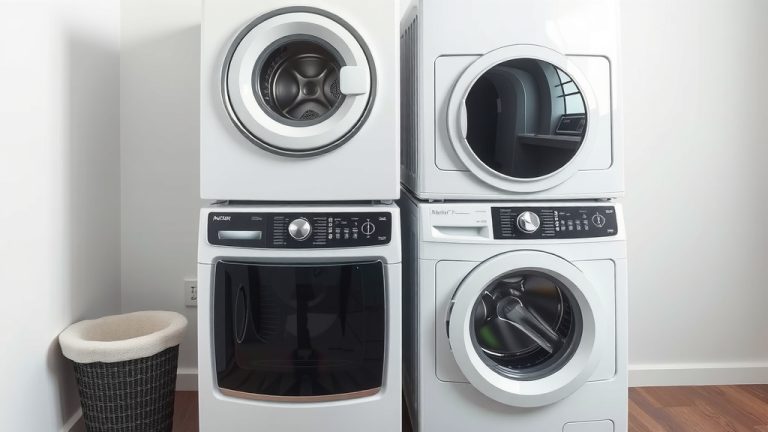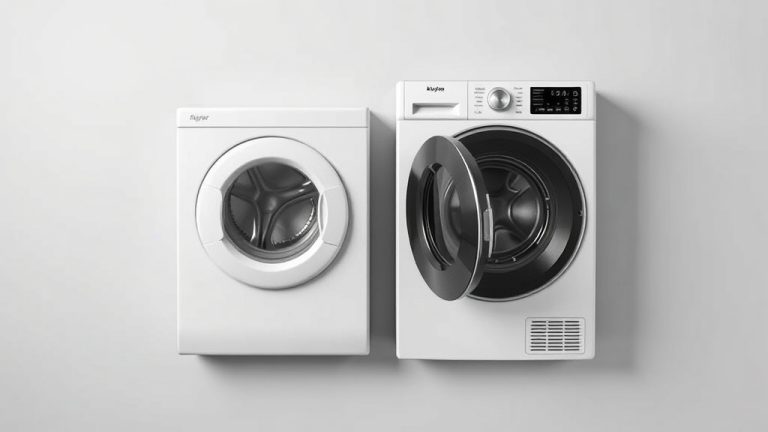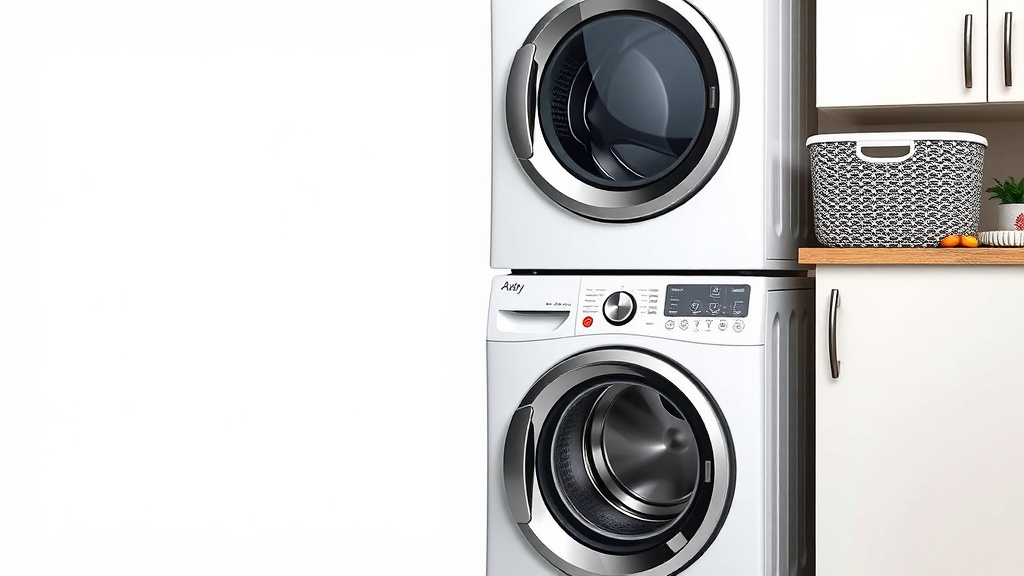
Stackable Washer Dryer Depth: A Comprehensive Guide
The depth of a stackable washer and dryer unit typically ranges from 27 to 34 inches. This measurement is key for fitting them into your laundry space. You’ll want to measure your doorway and the path to its final location carefully.
Understanding these dimensions is essential for ensuring your new appliance fits just right. Many homeowners worry about squeezing these laundry heroes into tight spots. We found that accounting for about 4-6 inches of clearance behind the unit for hoses and airflow is also very smart.
- Stackable washer and dryer depth is usually 27-34 inches.
- Always measure your doorways and hallways first.
- Allow extra space behind the unit for connections.
- Check the manufacturer’s specifications for exact measurements.
Let’s dive into the specifics and figure out what depth will work best for your home.
Understanding Stackable Washer and Dryer Dimensions
When you’re looking to buy a stackable washer and dryer, one of the most critical measurements is the depth. This isn’t just about fitting the unit into your laundry room. It’s also about ensuring you have enough space for proper installation and operation. You wouldn’t want to buy a new appliance only to find out it sticks out too far or won’t close properly.
We’ve found that the typical depth for these units can vary. This is important because even a few inches can make a big difference in a tight space. Let’s break down what you can expect and what you need to consider to make sure your laundry setup is both functional and convenient.
What is the Actual Depth of a Stackable Washer and Dryer?
The depth of a stackable washer and dryer unit generally falls between 27 and 34 inches. This measurement usually refers to the main cabinet of the appliance. It’s important to remember this might not include the depth of the doors when they are open, or any protruding elements like control panels or hoses at the back.
Think of it like buying a couch. The advertised dimensions are for the main body. You still need to account for the arms and how it sits in the room. For your laundry units, the depth is key for everything from getting it through the door to how much floor space it occupies.
Cabinet Depth vs. Full Depth
When you see specifications, you might encounter terms like “cabinet depth” or “overall depth.” Cabinet depth is the measurement of the main box of the appliance. Overall depth often includes any parts that stick out, such as control knobs or the door itself when closed.
For stackable units, the most relevant measurement for fitting it into a designated space is usually the overall depth. This ensures you’re accounting for the entire footprint of the machine. It’s always best to check the manufacturer’s detailed specifications to avoid any surprises.
Why Depth Matters More Than You Think
You might wonder why depth is so important. It impacts several things. First, it dictates how far the unit will protrude into your laundry area or hallway. This is especially crucial if you have a very narrow space.
Second, it affects the overall usability of your laundry room. If the machines stick out too much, it can make it difficult to walk around or open other doors, like a linen closet or bathroom door, in an adjacent space. We’ve heard from many homeowners who regretted not measuring carefully.
Factors Influencing Depth Measurements
Several things can affect the depth measurement of a stackable washer and dryer. Understanding these will help you get the most accurate picture for your home.
Appliance Design and Features
Different manufacturers have different designs. Some units are designed to be more compact, while others might have larger capacities, which can sometimes influence depth. Features like steam functions or advanced control panels might add a few extra inches to the overall depth.
For example, a sleek, modern design might have a flatter front panel. This could result in a slightly shallower depth compared to a model with a more traditional, rounded door or bulky control interface. We found that some ultra-compact models can measure closer to the 27-inch mark.
Protruding Components
Don’t forget about the parts that stick out! The door handle or the control panel can add to the overall depth. Even the dryer vent connection at the back can add a few inches. You need to account for these when measuring for clearance.
Imagine trying to close your laundry room door, but the dryer vent pipe is just a little too far back. It’s a frustrating scenario! Always check the manufacturer’s diagrams for these protruding parts. They often provide specific measurements for them.
Measuring Your Space for a Stackable Unit
Before you even look at specific models, measuring your intended space is the most important step. This will save you time, money, and a lot of potential headaches.
Measuring the Installation Niche
If your stackable washer and dryer will go into a built-in niche or closet, measure the width, height, and depth of that space precisely. Make sure to measure at multiple points, as walls aren’t always perfectly straight.
The depth measurement you need here is the distance from the back wall to the front of where the unit will sit. This is your maximum allowable depth. It’s wise to subtract a few inches from this for clearance, which we’ll discuss next.
Accounting for Door and Vent Clearance
This is where many people run into trouble. You need to allow space for the doors to open. Even though they stack, you still need to access the washer and dryer individually. You also need space for the hoses and electrical connections at the back.
Many experts and appliance manuals recommend at least 4 to 6 inches of clearance behind the unit. This space is vital for proper airflow and for connecting the water hoses, drain hose, and electrical cords without kinking them. Kinked hoses can cause leaks or reduce performance.
Navigating Doorways and Hallways
You also need to consider the path the appliance will take to get to its final destination. Measure the width and height of all doorways and hallways it will pass through. Stackable units, even when separated, can be bulky.
Some washers and dryers have removable doors or detachable pedestals that might reduce their dimensions temporarily for transport. Always check if this is an option and if it helps you navigate tight turns or narrow openings. We found that measuring the diagonal of tight doorways can also be a helpful trick.
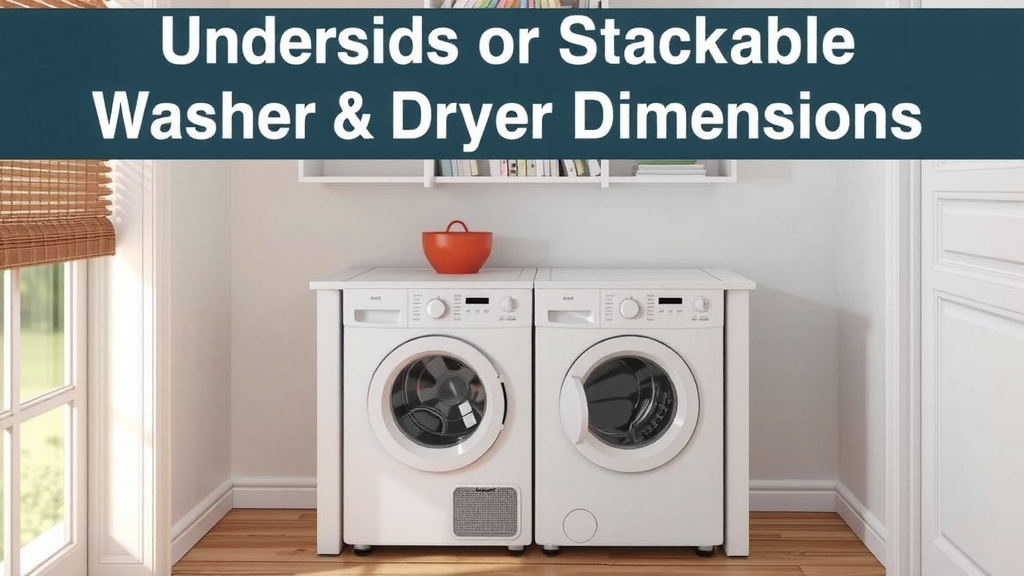
Typical Depth Ranges by Appliance Type
While the overall depth range for stackables is 27-34 inches, it’s helpful to know how individual units might differ.
Compact Stackable Units
These are designed for very small spaces, like apartments or RVs. Their depth is typically at the lower end of the spectrum, often around 27 to 29 inches. They usually have smaller capacities but are perfect when space is extremely limited.
Standard Stackable Units
These are more common and offer a balance between size and capacity. You’ll find most standard stackable washers and dryers fall within the 29 to 32-inch depth range. They are a good choice for many homes.
Large Capacity Stackable Units
If you have a larger family or frequently do bulky loads, you might consider larger capacity models. These can sometimes be a bit deeper, potentially reaching up to 33 or 34 inches. Always double-check their specifications if you’re considering these.
Checklist for Measuring Your Space
To make sure you’re getting the right fit, follow this quick checklist:
- Measure the width, height, and depth of your laundry space or niche.
- Measure the depth of the appliance, including any protruding parts.
- Add 4-6 inches for hose and ventilation clearance behind the unit.
- Measure all doorways and hallways the appliance must pass through.
- Consider the door swing radius if the appliance sits near other doors.
- Always refer to the manufacturer’s specifications for exact dimensions.
Conclusion
You’ve now learned that stackable washer and dryer depths typically range from 27 to 34 inches. We’ve seen that this measurement is key for fitting them into your laundry space. Remember to always account for extra inches for hoses and airflow behind the unit. Don’t forget to measure your doorways and hallways too!
Taking these measurements seriously will prevent headaches and ensure your new laundry machines work perfectly. Your next step is to grab your tape measure and start measuring your space and the potential paths the units will take. This preparation ensures you’ll select the best stackable unit for your home.
Frequently Asked Questions
Will a standard 30-inch deep dryer fit in a 30-inch deep closet?
Probably not comfortably. While the dryer itself might be 30 inches deep, you need to account for hose connections and airflow at the back. We recommend a minimum of 4 to 6 inches of clearance behind the unit for proper installation and ventilation. This means your closet should ideally be at least 34 to 36 inches deep.
Can I measure depth with the doors open?
The depth measurement you’re primarily concerned with is the unit’s depth when the doors are closed, as this is how it will sit in your space. However, if you’re concerned about usability, you might want to measure how far the door swings open to ensure it doesn’t block a pathway.
Are compact stackable units significantly shallower?
Yes, compact stackable units are designed for tighter spaces and are generally shallower. You’ll often find their depth is closer to the 27-29 inch range, compared to standard models which can go up to 32-34 inches. This can make a big difference if you have very limited floor space.
What if the manufacturer lists two different depth measurements?
If you see two depth measurements, one is likely “cabinet depth” and the other is “overall depth.” Cabinet depth refers to the main box of the appliance, while overall depth includes any protruding parts like door handles or control panels. For fitting the unit into your space, the overall depth is the more important measurement to consider.
How much space do I need in front of the stackable unit?
While the article focuses on depth for fitting the unit, consider usability. You’ll need enough space in front to comfortably load and unload laundry. While not a strict depth requirement for installation, we suggest at least 2-3 feet of clear space for easy access. This ensures you can open the washer and dryer doors without feeling cramped.