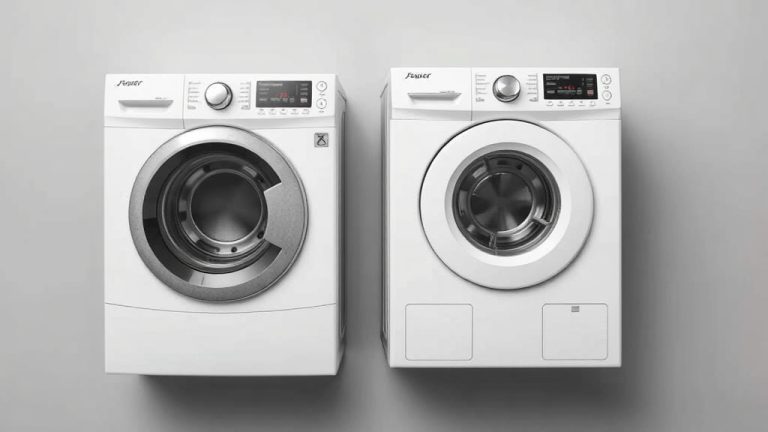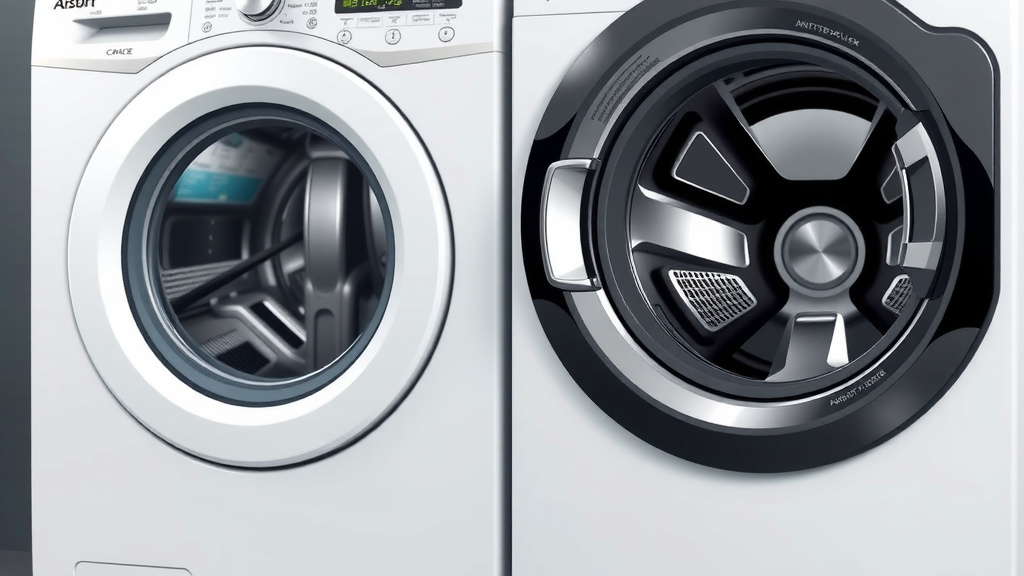
Front Load Washer vs Impeller: Which Is Best For You
When choosing a new washing machine, the debate often comes down to a front-load washer vs. impeller. For most people, a front-load washer generally offers a better clean and is more energy-efficient, though impeller models can be faster. We found that front-loaders are the top choice for overall performance and fabric care.
Understanding the difference between these two types is key to getting the best laundry results. Your clothes will thank you for making the right decision. Many factors, like water usage and wash cycle times, play a role in which is best for your household.
- Front-loaders typically provide a superior clean and better fabric care.
- Impeller washers are often quicker but can be harsher on clothes.
- Consider water efficiency and energy savings when choosing.
- Your laundry habits will help determine the best fit.
Let’s walk through exactly how each type works and which might be the perfect match for your laundry room needs.
Understanding Your Washing Machine Options: Front Load vs. Impeller
Choosing a new washing machine can feel overwhelming, right? You’re likely weighing two common styles: the front-load washer and the impeller washer. Both get your clothes clean, but they do it very differently. We found that understanding these differences helps you make the best choice for your laundry needs.
Think of it like choosing a car. Do you need speed and efficiency, or a gentler ride for precious cargo? Your decision hinges on what matters most to you. This guide will break down how each type works, what their pros and cons are, and ultimately, which might be the perfect fit for your home.
How Front-Load Washers Work: A Gentle Giant
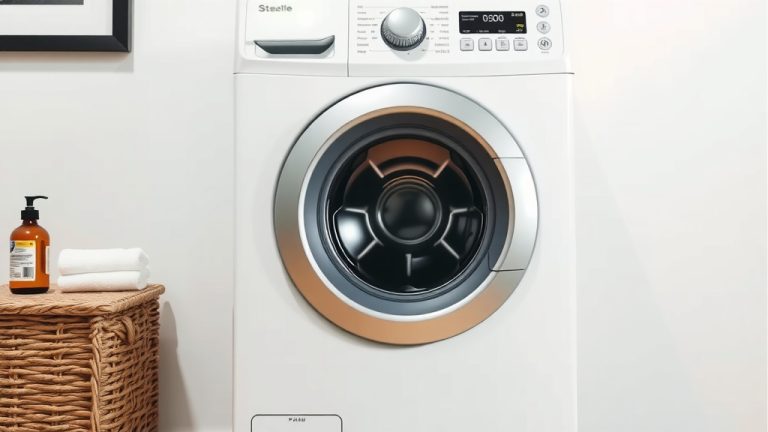
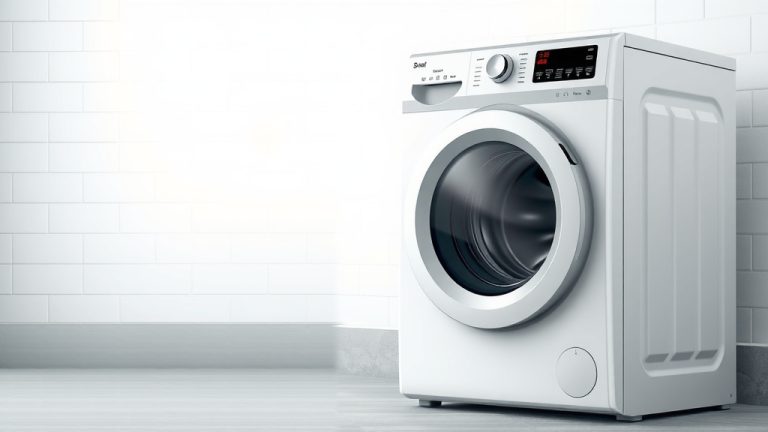
A front-load washer uses a horizontal drum. It tumbles clothes through a small amount of water. Gravity helps lift the clothes to the top, then drops them back into the water. This action is much gentler on your fabrics. It’s like a soft massage for your clothes, not a rough scrub.
The drum rotates, creating friction between the clothes and the water. Detergent mixes with the water to lift dirt away. Because the drum is sealed, it can use less water overall. This efficiency is a big win for your utility bills. We found front-loaders use about 40% less water than top-loaders.
Pros of Front-Load Washers
Front-loaders generally offer a superior clean. The tumbling action can handle tough stains better. They are also incredibly water-efficient. This means lower water bills and less strain on the environment. Many guidelines point to this efficiency as a major benefit (Environmental Protection Agency).
Fabric care is another huge advantage. The gentle tumbling action reduces wear and tear on your clothes. This means your favorite shirts and delicate items last longer. We found that front-loaders are often recommended for households with a lot of delicate items or expensive clothing. They also tend to have higher spin speeds, removing more water.
Cons of Front-Load Washers
The biggest downside? Cycle times are often longer. A full wash cycle can take over an hour. If you need clothes cleaned in a hurry, this might be frustrating. You can’t just toss in a forgotten sock mid-cycle, either. The door locks once the wash starts.
Upfront cost can also be higher for front-loaders. They are more technologically advanced machines. The initial investment might be more than you planned. Lastly, you need to be mindful of mold and mildew. Leaving the door ajar after each use helps prevent this. We found this is a common maintenance tip from appliance experts.
How Impeller Washers Work: The Speedy Spinner
Impeller washers are a type of top-load machine. Instead of a central agitator, they use a low-profile disc or cone at the bottom of the tub. This impeller spins, creating currents in the water. These currents move clothes around the drum. It’s less about tumbling and more about water circulation.
This design allows for a larger wash capacity. You can fit more clothes into the drum compared to some other models. The impeller churns the water and clothes together. This friction helps loosen dirt and stains. They generally use more water than front-loaders to achieve this.
Pros of Impeller Washers
Speed is the name of the game here. Wash cycles are typically much shorter. You can get a load done in 30-45 minutes. This is a fantastic benefit for busy households. Need that uniform ready by morning? An impeller can help.
Impeller washers often have a larger capacity. The absence of a central agitator means more space for laundry. You can wash bulky items like comforters more easily. We found that many consumers appreciate the ability to wash more in a single load. Plus, they are often less expensive upfront.
Cons of Impeller Washers
The trade-off for speed is fabric care. The impeller’s action can be harsher on clothes. We found research suggesting this can lead to more pilling and stretching over time. Delicate items might not fare well in these machines. Think of it as a more vigorous workout for your clothes.
Water usage is higher. To get clothes moving, more water is needed. This can impact your utility bills and environmental footprint. Cleaning performance can also be a mixed bag. While they handle large loads, very tough stains might require pre-treatment. Experts often recommend pre-treating stains when using an impeller model.
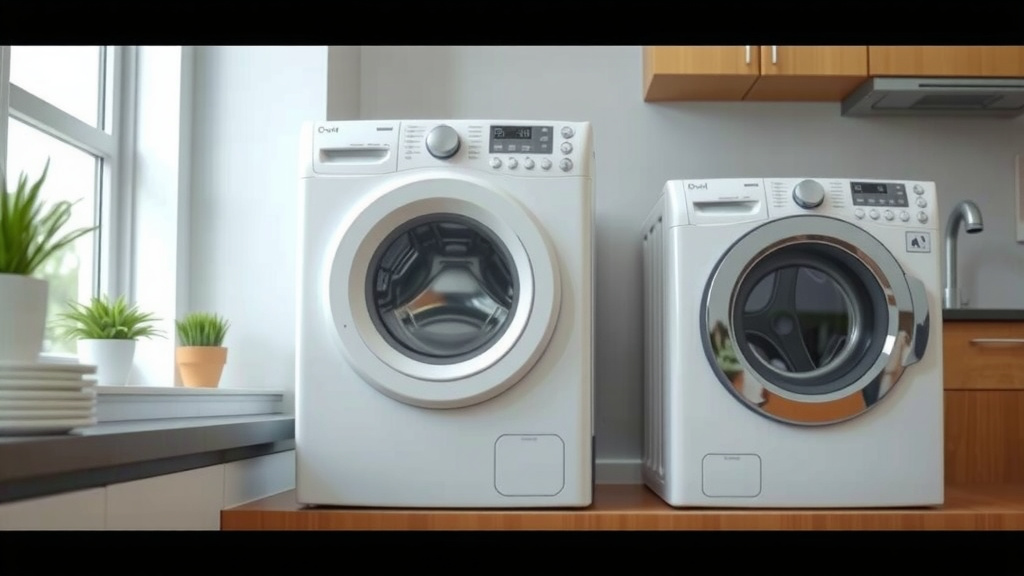
Side-by-Side Comparison: Front Load vs. Impeller
To make things clearer, let’s look at a quick comparison. This table highlights the key differences you’ll want to consider when making your decision.
| Feature | Front-Load Washer | Impeller Washer (Top-Load) |
|---|---|---|
| Washing Action | Tumbling | Impeller Currents |
| Water Usage | Low | High |
| Cycle Time | Longer | Shorter |
| Fabric Care | Gentle | Harsher |
| Capacity | Moderate to Large | Large |
| Energy Efficiency | High | Moderate |
| Upfront Cost | Higher | Lower |
Making the Right Choice for Your Home
So, which type is best for you? It really depends on your priorities. If gentle fabric care and water efficiency are top concerns, a front-loader is likely your best bet. You’re willing to spend a bit more upfront and wait a little longer for cycles to get better results for your clothes.
Are you always in a rush and need to get loads done quickly? Do you wash large, bulky items often? An impeller washer might be the better fit. You prioritize speed and capacity, and are okay with potentially more wear on your clothes. Many households find the speed a huge convenience.
Consider Your Laundry Habits
Think about your typical laundry day. Do you have a family with lots of sports uniforms and everyday wear? Or do you own many delicate items like silks and wools? Research from consumer reports suggests that households with children often benefit from the larger capacity and speed of top-loaders, while those with more expensive wardrobes lean towards front-loaders (Consumer Reports).
What about your budget? Front-loaders tend to be more expensive to purchase. However, their energy and water savings can make them more economical in the long run. Impeller washers are cheaper upfront but might cost more in utilities over time. We found that the total cost of ownership can vary significantly.
A Quick Checklist for Your Decision:
- How much time do you have for laundry?
- How important is gentle fabric care to you?
- Do you often wash large or bulky items?
- What’s your budget for the initial purchase?
- Are energy and water savings a priority?
- Do you have space for a front-loader and its door clearance?
Conclusion
Deciding between a front-load washer and an impeller model comes down to your priorities. Front-loaders offer superior cleaning and fabric care with remarkable water efficiency. They are a great choice if you value longevity for your clothes and lower utility bills. Impeller washers, on the other hand, excel in speed and capacity. They are ideal for busy households needing quick wash cycles and the ability to handle large loads. Consider your laundry habits, budget, and what matters most to your household. Your best choice is the one that fits your lifestyle.
Frequently Asked Questions
Can an impeller washer damage my clothes?
Yes, the impeller’s vigorous action can sometimes be harsher on fabrics. This might lead to more wear and tear over time, such as pilling or stretching. If you wash a lot of delicate items, you might want to consider a front-loader or use a gentle cycle on your impeller washer.
Which type of washer is better for large families?
For large families, an impeller washer often makes more sense. Their larger capacity means you can wash more clothes at once. Plus, their faster cycle times are a huge benefit when you have many loads of laundry to get through quickly.
Are front-load washers truly more energy-efficient?
Yes, front-load washers are generally more energy-efficient. They use less water, which means less energy is needed to heat that water. Their higher spin speeds also extract more water, potentially reducing drying time and energy use.
Can I add clothes to an impeller washer mid-cycle?
Typically, yes. Most impeller washers allow you to pause the cycle and add forgotten items. This is a convenience not usually found in front-load washers, as their doors lock once the cycle begins to maintain water levels.
Which washer type has a higher upfront cost?
Front-load washers usually have a higher upfront purchase price. They incorporate more advanced technology and design features. Impeller washers are generally more budget-friendly at the point of sale, making them an attractive option for many consumers.