GE Washer Agitator vs Impeller: What’s the Difference
When choosing a GE washer, the main difference between an agitator and an impeller comes down to cleaning style and gentleness. Impeller washers use a low-profile disc to gently move clothes, making them a better choice for large or delicate loads. Agitator washers have a central post that twists clothes more vigorously for a deeper clean, though they can be harder on fabrics and handle smaller loads.
Understanding this key difference can help you pick the right washer for your needs. It impacts not just how clean your clothes get, but also how long they last. Many GE washer models come with one or the other, and the choice affects your entire laundry routine. We found this distinction is often the deciding factor for consumers.
- Agitator washers: Vigorously clean, best for tough stains and smaller loads. Can be rough on clothes.
- Impeller washers: Gentler wash action, ideal for large or delicate loads. May not clean heavily soiled items as well.
- Impellers are generally more energy-efficient.
- Agitators can sometimes cause clothes to get tangled.
- Your choice depends on load size, fabric types, and cleaning needs.
Let’s break down the pros and cons of each type to help you make the best decision for your household.
Understanding GE Washer Agitator vs. Impeller Designs
When you’re looking at GE washers, you’ll quickly notice they come with different ways of washing clothes. The two main types are agitator and impeller models. This choice really affects how your laundry gets done. We’ve found that understanding this difference is key to picking the right machine for your home. It’s not just about clean clothes; it’s about how your clothes hold up over time.
The Classic Agitator: A Closer Look
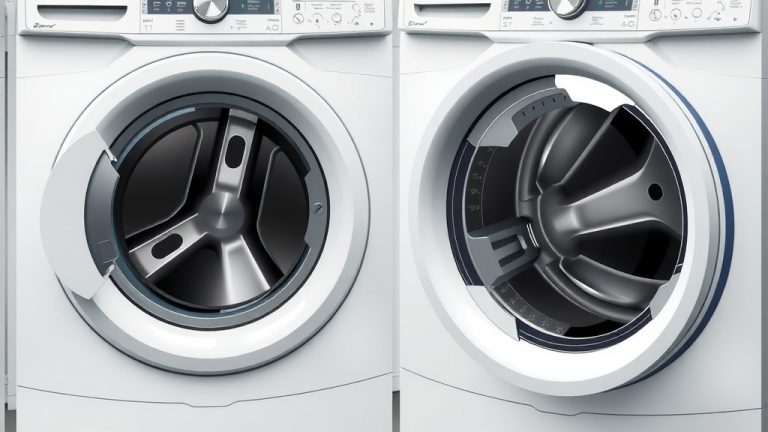
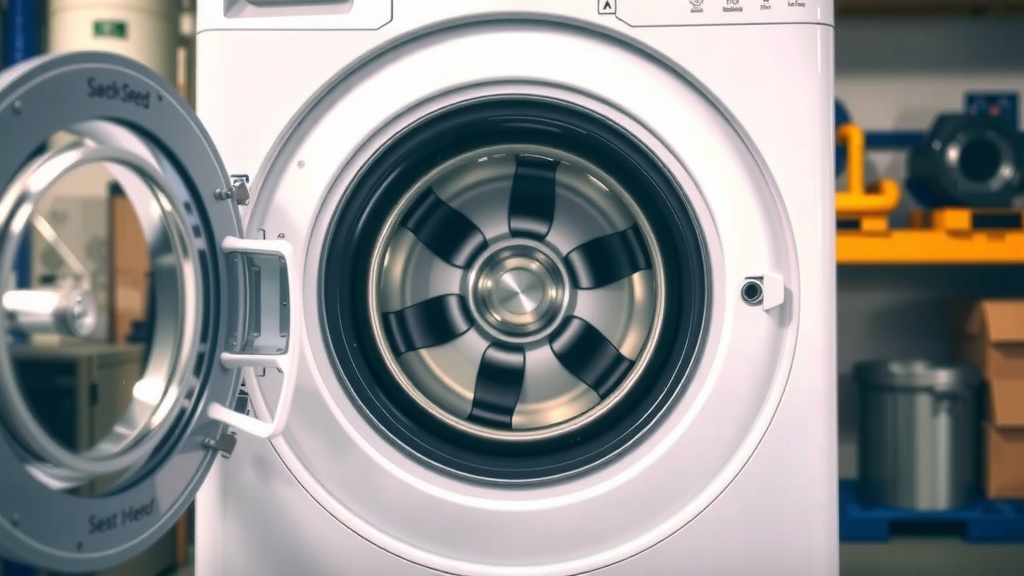
Think of the agitator as the traditional workhorse of laundry. This is the tall, plastic post you see smack in the middle of the wash basket. It’s designed to move clothes around quite a bit during the cycle. It twists and turns, forcing water and detergent through your fabrics. Many people are familiar with this design from older washing machines.
How Agitators Clean Your Clothes
The agitator works by creating a powerful washing action. It separates your clothes and rubs them against each other. This vigorous motion is great for tackling tough stains and heavy soil. It really churns the water and detergent into the fabric. This method is often favored for households with active kids or demanding jobs.
Pros of Agitator Washers
- Deep Cleaning Power: Agitators are fantastic for getting even the dirtiest clothes sparkling clean. They are tough on grime.
- Faster Wash Times: Often, agitator cycles are a bit quicker than impeller cycles. This can save you time on laundry day.
- Familiar Design: If you grew up with an agitator washer, you already know how it works. There’s no learning curve.
Cons of Agitator Washers
While effective, agitators aren’t perfect. They can be a bit rough on your garments. The constant twisting and rubbing can cause wear and tear on delicate fabrics. Also, the center post takes up space. This means you might not be able to fit as many large items, like bulky comforters or bedding, into the drum. Clothes can sometimes get tangled around the agitator too.
The Modern Impeller: A Gentler Approach
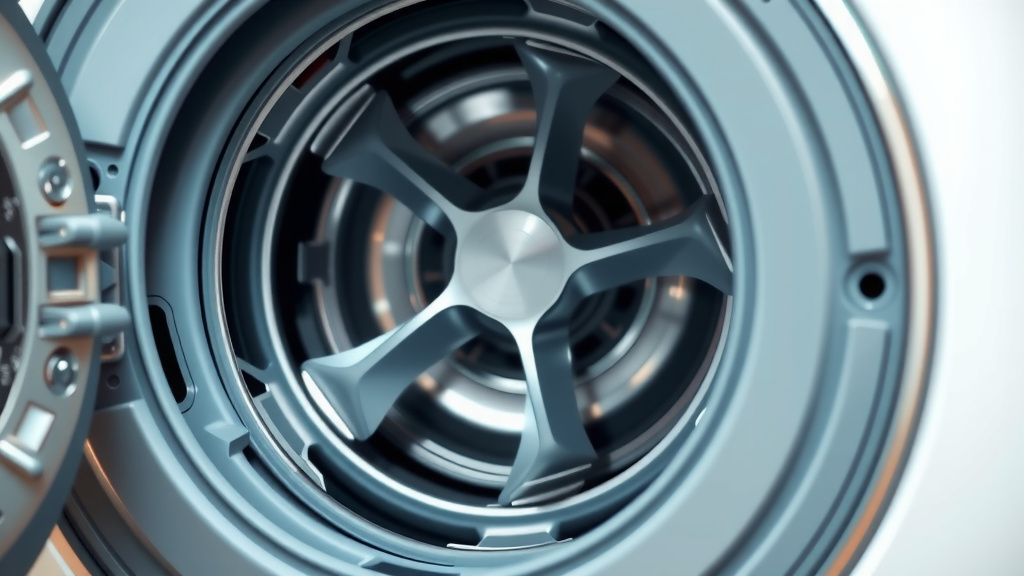
Impeller washers have become more popular in recent years. Instead of a tall post, they have a low-profile disc or plate at the bottom of the drum. This impeller spins and rotates, creating currents in the water. These currents gently move your clothes around the wash basket. It’s a more subtle way to wash.
How Impellers Clean Your Clothes
The impeller uses water action to move clothes. It creates a sort of washing wave that circulates your laundry. This method is much gentler on fabrics than an agitator. It’s ideal for items you want to keep looking newer for longer. Many find this design to be more energy-efficient too.
Pros of Impeller Washers
- Gentle on Fabrics: This is a big win if you have a lot of delicate items or want your clothes to last. It prevents snagging and stretching.
- Larger Capacity: Without a center post, the entire drum is available for clothes. This means you can wash bigger loads, including king-size comforters.
- Water and Energy Savings: Impeller models often use less water and energy. This can lead to lower utility bills over time.
Cons of Impeller Washers
The main drawback of an impeller is its cleaning power on heavily soiled items. If you have really tough, ground-in dirt, an impeller might not be quite as effective as an agitator. Some research suggests that it might take slightly longer wash cycles to achieve a comparable clean to agitator models. So, for extreme messes, you might need pre-treatment.
Agitator vs. Impeller: A Direct Comparison
Let’s put them side-by-side so you can see the differences clearly. Both have their place depending on your laundry needs.
| Feature | Agitator Washer | Impeller Washer |
|---|---|---|
| Cleaning Action | Vigorous twisting and rubbing | Gentle water currents and tumbling |
| Best For | Tough stains, heavily soiled items, smaller loads | Delicates, large loads, everyday wear |
| Fabric Wear | Can be harder on clothes | Much gentler on fabrics |
| Capacity | Smaller, limited by agitator post | Larger, full drum use |
| Energy/Water Use | Generally higher | Generally lower |
Which GE Washer Type is Right for You?
Deciding between an agitator and an impeller GE washer really boils down to your lifestyle and your laundry. Think about what you wash most often. Do you have kids who play sports and come home covered in mud? An agitator might be your best bet for those tough stains. Are you someone who prefers to wash larger loads, or do you have a lot of delicate clothing that needs extra care? An impeller would likely be a better fit for you.
We found that many consumers weigh their decision based on these factors:
- Your typical load size
- The types of fabrics you wash most often
- How heavily soiled your clothes usually are
- Your priorities for energy efficiency
- How much wear and tear you’re willing to accept on your garments
It’s a personal choice, and both GE designs offer effective cleaning solutions. Your perfect washer is the one that fits seamlessly into your daily routine and keeps your clothes looking and feeling their best.
Conclusion
Choosing between a GE agitator and impeller washer comes down to your specific laundry needs. If you’re battling tough stains and prioritize speed, the classic agitator might be your best friend. For those with delicate clothing, larger families, or a desire for energy savings, the gentler impeller is likely the superior choice. We found that understanding how each works helps you make the most informed decision for your home. Take a moment to assess your typical laundry habits, and you’ll easily find the GE washer that fits your life perfectly.
Frequently Asked Questions
Can I wash my delicates in an agitator GE washer?
While an agitator can clean tough stains effectively, it’s generally not recommended for delicate items. The vigorous motion can cause snagging, stretching, or premature wear on more fragile fabrics. We suggest using an impeller washer or a specific delicate cycle if your agitator model offers one.
Do impeller GE washers clean as well as agitator models?
Impeller washers offer a gentler clean, which is great for most everyday laundry and delicates. However, for heavily soiled items or deeply set stains, an agitator might provide a more aggressive cleaning action. You might find that some heavily soiled loads require pre-treatment with an impeller washer.
Which type of GE washer is better for large families?
For large families, an impeller GE washer often makes more sense. Their design allows for larger load capacities, meaning you can wash more clothes at once, saving you time and potentially energy. Plus, they’re gentler on the wider variety of clothing a family might own.
Are impeller GE washers more energy-efficient?
Yes, research and our findings indicate that impeller GE washers are typically more energy-efficient. They often use less water because the impeller design circulates clothes more effectively. This reduced water usage generally leads to lower utility bills over time.
Can I put bulky items like comforters in either type of GE washer?
It depends on the specific model’s capacity, but impeller GE washers are generally better suited for bulky items like comforters. The absence of a central agitator post frees up the entire drum, allowing larger items to move more freely and be cleaned more effectively.