Washing Machine Space Requirements: What You Need to Know
You don’t need a ton of space for a washing machine, but you do need enough room for it to operate comfortably. For most standard-sized washers, plan for at least 30 inches of width and 36 inches of depth. This ensures the door can open fully and allows for proper ventilation.
Beyond the machine’s dimensions, think about the airflow it needs. Washers generate heat and moisture. Adequate space prevents dampness from damaging your walls or flooring. Also, consider the hoses and electrical cords; they require a little extra wiggle room behind the unit.
- Standard washers need about 30″ width and 36″ depth.
- Always leave space for the door to open fully.
- Ensure good airflow around the machine to prevent moisture buildup.
- Don’t forget space for hoses and electrical cords.
We’ve gathered the essential space requirements to help you find the perfect spot for your laundry setup. Let’s walk through exactly how much room you’ll need!
Determining the Right Space for Your Washing Machine
You’ve got the washing machine; now you need the perfect home for it. Finding the right spot is about more than just fitting it in. You want to make sure it runs smoothly and stays healthy. We’ll help you figure out the exact measurements you need. Let’s get this done!
Washing Machine Dimensions and Clearance Explained
Think of your washing machine like a little worker. It needs space to do its job without bumping into things. This means looking at the machine’s actual size and then adding extra room around it. This extra space is key for function and longevity.
Standard Washing Machine Sizes
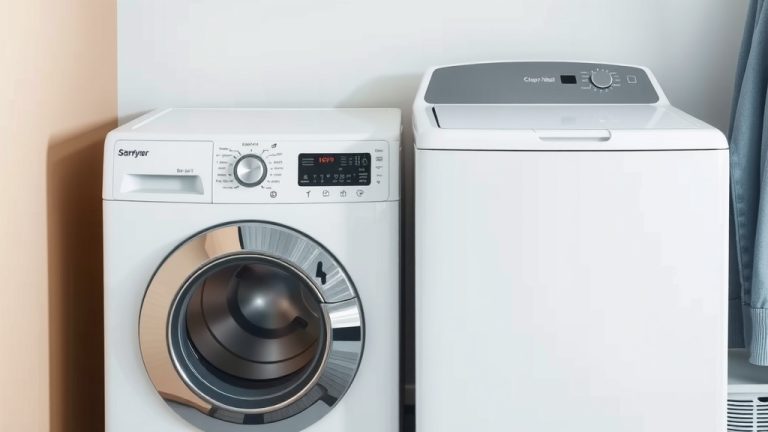
Most standard front-load and top-load washers aren’t giants. They typically measure around 27 to 30 inches wide. Their depth usually falls between 28 and 34 inches. Always check the manufacturer’s specs for your specific model. It’s the best way to know for sure.
The Importance of Door Swing Space
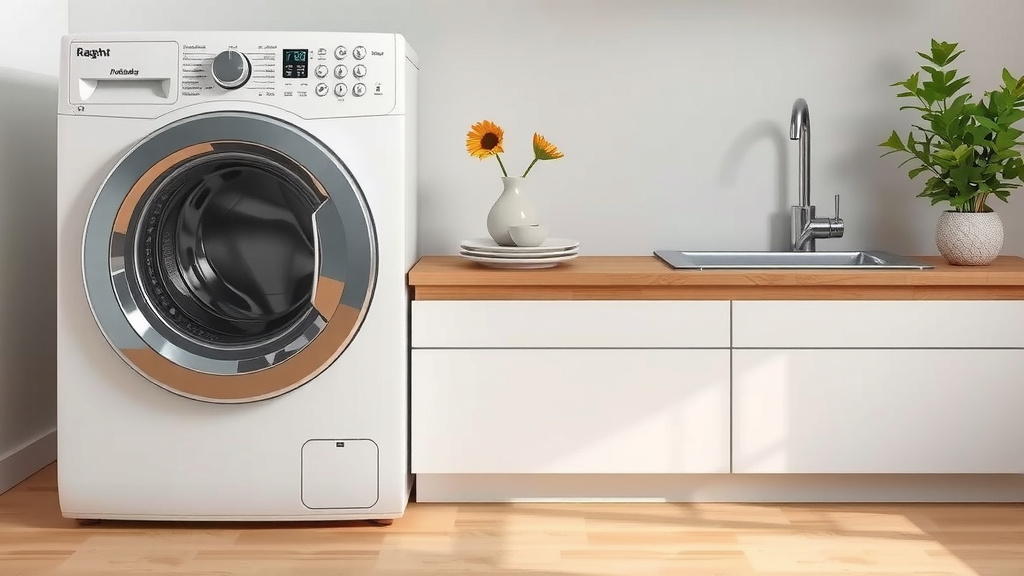
This is where many people run into trouble. Your washer door, whether it swings out from the front or lifts up from the top, needs room to open fully. For front-loaders, imagine a cabinet door swinging open. You need space so it doesn’t hit a wall or another appliance. For top-loaders, ensure there’s enough vertical clearance to lift the lid. We found that at least 15 inches of clearance in front of a front-load door is usually sufficient. For top-loaders, measure the lid’s swing arc.
Depth Considerations: Beyond the Machine’s Footprint
The machine’s stated depth doesn’t include everything. You have hoses in the back. There’s also the electrical cord. These items stick out a bit. Many experts suggest adding at least 4 to 6 inches of depth behind the washer. This prevents kinking hoses and avoids crushing cords. It also helps with airflow, which we’ll get to next.
Airflow: Keeping Your Washer Cool and Dry
Washers work hard and generate heat and moisture. Good airflow is like giving your washer space to breathe. It helps dissipate heat. It also prevents moisture from building up. Too much moisture can lead to mold and mildew. It can even damage your floors and walls over time. Many appliance repair professionals stress this point.
Ventilation Requirements for Washers
Generally, you’ll want about 2 to 4 inches of clear space around the sides and back of the washer. This allows air to circulate freely. For front-loaders, pay special attention to the space at the bottom front. This is where air often enters for cooling. For stacked units, the manufacturer’s instructions are critical. They often have specific venting requirements.
Moisture Management in Laundry Spaces
Even with good airflow, laundry areas can be humid. Consider using a small dehumidifier if your space tends to be damp. Ensure your laundry area has adequate ventilation. A small exhaust fan can make a big difference. Proper spacing helps the machine run more efficiently. It also keeps the surrounding area drier and healthier.
Beyond the Machine: Hoses, Cords, and Accessibility
We’ve covered the main body of the washer, but don’t forget the accessories. Hoses and cords need care, too. They are essential for operation but can cause problems if crammed.
Hose and Cord Management
Water inlet hoses and drain hoses need flexibility. They shouldn’t be bent sharply or kinked. This can restrict water flow or cause them to burst. Electrical cords also need to avoid being pinched. Ensuring there’s enough depth behind the unit allows these to rest naturally. We found that a simple bend protector can also help prevent damage over time.
Easy Access for Maintenance and Repairs
You don’t want to have to dismantle half your house to check a leak or replace a hose. Leave enough space so you can comfortably reach the back of the machine. This makes routine checks much easier. It also saves you and a repair person time and hassle if something goes wrong. Think about being able to easily unplug the machine too.
Special Considerations: Stackable and Compact Washers
Are you working with a smaller space? Or perhaps you’re looking to maximize vertical space? Stackable and compact units have different needs.
Stackable Washer and Dryer Units
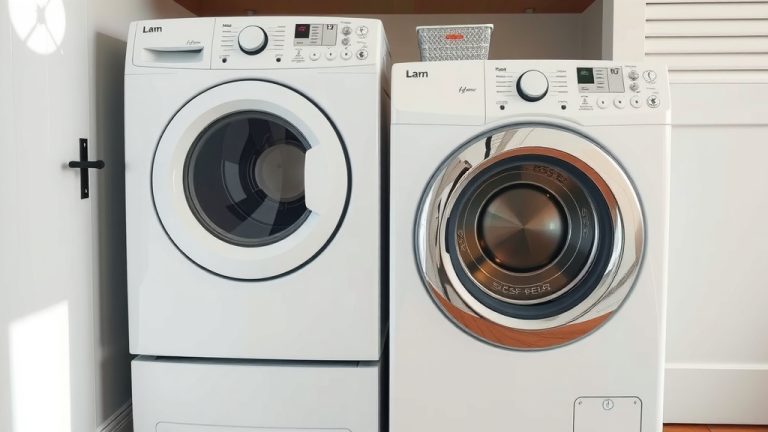
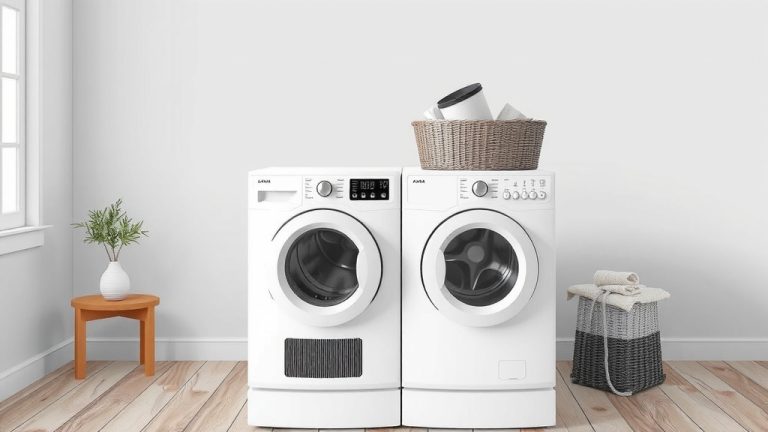
These are designed to fit together. They often have specific installation requirements. The combined height can be significant. You’ll need to ensure your ceiling height is adequate. The manufacturer’s manual will detail the exact clearances needed for both units when stacked. They often require specific bracing and venting.
Compact or Apartment-Sized Washers
These smaller machines are great for tight spots. Their dimensions are naturally smaller. However, you still need to account for door swing and airflow. Because they are smaller, they might vibrate more. You may need to ensure a stable, level surface. Always check the recommended clearances. Even small machines need room to operate safely.
A Quick Checklist for Your Laundry Space
Before you commit to a spot, run through this quick checklist:
- Machine Dimensions: Confirm the width, depth, and height.
- Door/Lid Swing: Ensure it opens fully without obstruction.
- Back Clearance: Allow 4-6 inches for hoses and cords.
- Side/Top Clearance: Provide 2-4 inches for airflow.
- Electrical Outlet: Make sure it’s accessible and not behind the machine.
- Drain Access: Ensure the drain hose can reach the standpipe or sink.
Putting It All Together: Your Laundry Space Plan
Think of the total space needed. It’s not just the washer’s footprint. It’s the machine, plus its operational needs. You’re aiming for a happy medium. You want enough space for function. You don’t want to waste precious square footage. Many find that a space roughly 30 inches wide and 48 inches deep works well for a standard washer. This includes door swing and back clearance. Always measure twice and plan once!
Conclusion
Setting up your laundry space correctly is key. You’ve learned that a washing machine needs more than just its footprint. Remember to account for the door swing, hose connections, and vital airflow. Providing this space ensures your machine runs efficiently and lasts longer. Don’t forget that even compact or stackable units have specific needs. Now that you have all the measurements, take the time to measure your intended space carefully before buying or installing your new washer. Your future self will thank you!
Frequently Asked Questions
How much space do I need if I have a small laundry nook?
Even in tight spots, prioritize clearance. Aim for at least 30 inches of width for the machine itself. You’ll still need about 15 inches in front for a front-loader’s door. Always ensure a few inches for airflow behind and on the sides.
Can I place my washing machine directly against a wall?
No, you shouldn’t. Placing your washer directly against a wall restricts airflow. This can lead to overheating and moisture buildup. It also makes hose and cord connections difficult and can cause damage over time.
What if my washing machine seems to vibrate excessively?
Excessive vibration often means the machine isn’t level or doesn’t have enough stable space. Ensure your washer is on a firm, level floor. Double-check that you’ve provided the recommended clearance on all sides for stability and ventilation.
Do stacked washer and dryer units require more space than side-by-side units?
Stacked units typically require less floor space but more vertical clearance. You’ll need to confirm your ceiling height can accommodate the combined height. Always follow the manufacturer’s specific installation guidelines for any required wall or side clearances.
Is it okay if the back of my washing machine is slightly angled due to hoses?
It’s best to avoid angling your machine. Hoses and cords need space to connect without kinking or being pinched. We found that adding 4-6 inches of depth behind the washer generally provides enough room for a natural, undamaged connection.