Agitator vs HE Washer: Which Washing Machine is Best
When choosing between an agitator and a high-efficiency (HE) washer, the biggest difference comes down to Our guide to the best-rated top-loading washing machine can help you compare models.how they clean your clothes and the amount of water they use. Agitator washers use a central post to move clothes, which can be rougher but offers powerful cleaning. HE washers use less water and a tumbling motion, making them gentler and more energy-efficient.
Both types get your laundry clean, but they achieve it in different ways. An agitator can handle larger loads and tougher stains, while an HE washer is known for its gentle treatment of fabrics and water-saving capabilities. Understanding these differences helps you pick the right machine for your needs.
TL;DR:
- Agitator washers use a central post for cleaning.
- HE washers use less water and a tumbling motion.
- Agitators can be rougher but clean powerfully.
- HE washers are gentler and more energy-efficient.
- Your choice depends on cleaning needs and water usage goals.
Let’s dive deeper into the pros and cons of each washer type to help you decide which one is the best fit for your laundry room.
So, you’re standing in front of the washing machine aisle, feeling a bit overwhelmed. You’ve heard terms like “agitator” and “HE” thrown around, and you’re wondering what the big deal is. Don’t worry, we’ve got you covered. We’re going to break down these two washer types so you can make the best choice for your laundry routine.
Understanding Your Washer Options: Agitator vs. High-Efficiency
The main difference boils down to how they get your clothes clean and how much water they use. Think of it like this: one is a classic workout routine, and the other is a modern, mindful fitness class.
The Agitator Washer: A Tried-and-True Classic
Remember those washing machines from when you were a kid? Chances are, they had an agitator. This is the tall, finned post that sits right in the middle of the drum. It’s a familiar sight for many of us.
How an Agitator Works
The agitator’s job is to twist and turn your clothes. It rubs them against each other and against the agitator itself. This creates friction, which helps lift dirt and stains away from the fabric. You’ll often hear this described as a more aggressive cleaning action. Many people feel it’s great for tough messes.
Pros of Agitator Washers
- Faster Wash Cycles: Agitator washers typically have shorter wash times compared to HE models. If you’re always in a hurry, this can be a big plus.
- Powerful Cleaning: The vigorous motion is excellent at tackling heavy soils and large loads. Think muddy sports uniforms or heavily soiled work clothes.
- Top Load Convenience: Most agitator models are top-loading, meaning you don’t have to bend down to load or unload laundry.
- Affordability: Generally, agitator washers tend to be less expensive upfront than their HE counterparts.
Cons of Agitator Washers
- Water Usage: These machines use a lot more water to fill the entire tub. This can lead to higher utility bills and is less eco-friendly.
- Fabric Wear: The strong twisting motion can be rough on delicate fabrics. Over time, it might cause more wear and tear on your clothes.
- Smaller Capacity (sometimes): While they can handle tough cleaning, the space taken up by the agitator means you might fit fewer items in a single load compared to some HE models.
The High-Efficiency (HE) Washer: The Modern Approach
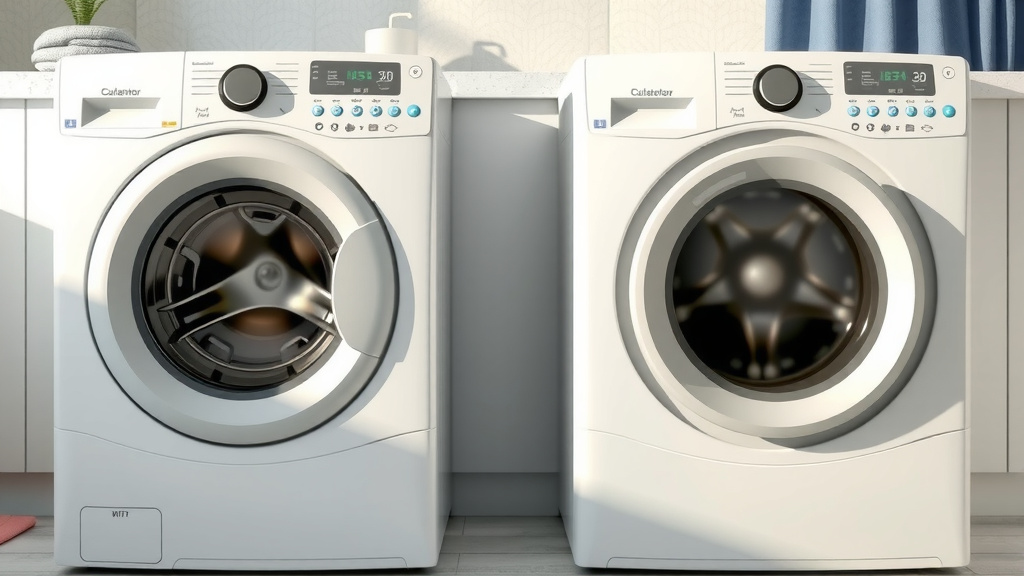
High-efficiency washers are designed to be smarter with water and energy. They come in both top-loading and front-loading styles, but they all share a similar cleaning philosophy.
How an HE Washer Works
Instead of a central post, HE washers use a different method. Top-loaders often use an impeller, which is a low-profile cone or disc at the bottom of the drum. Front-loaders and some top-loaders tumble clothes through a small amount of water. The clothes lift and fall, creating friction against each other. This gentler, tumbling action is key to their efficiency.
Pros of HE Washers
- Water Savings: This is their star feature. HE washers use significantly less water. Some estimates show them using 50-80% less water than traditional agitator models (Energy Star).
- Energy Efficiency: Lower water usage means less hot water is needed, saving on energy costs. They also often have more efficient motors.
- Gentle on Fabrics: The tumbling action is much kinder to your clothes. They tend to last longer and look better when washed in an HE machine.
- Larger Capacity: Many HE models, especially front-loaders, offer larger drum sizes. This means you can wash more clothes at once, potentially saving you time and trips to the laundromat.
- Better Cleaning (often): While the motion is gentler, the combination of increased wash time and effective detergent action often leads to cleaner clothes, especially for everyday dirt.
Cons of HE Washers
- Longer Wash Cycles: Because they use less water and a more gentle motion, HE cycles often take longer to complete.
- Higher Upfront Cost: HE washers typically have a higher purchase price than agitator models.
- Potential for Mold/Odor: Front-loaders, in particular, can be prone to mold and musty smells if not maintained properly. Leaving the door ajar and wiping down the seal helps.
- Requires Special Detergent: You must use HE detergent. Regular detergent creates too many suds, which can damage the machine and lead to poor rinsing.
- Bending Down (Front-Loaders): If you opt for a front-loading HE washer, you’ll need to bend down to load and unload, which can be challenging for some people.
It’s like choosing between a power drill and a hand sander – one is faster and more forceful, the other is precise and requires a bit more patience, but can achieve a finer finish.
Comparing the Two: A Quick Overview
Let’s put the key differences side-by-side. Many experts recommend HE models for their long-term savings and gentleness on clothes.
| Feature | Agitator Washer | HE Washer |
|---|---|---|
| Cleaning Action | Central post twists and turns clothes vigorously. | Tumbling motion or impeller action with less water. |
| Water Usage | High (fills the entire tub). | Low (uses significantly less water). |
| Fabric Care | Can be rough on delicate items. | Gentler on fabrics, leading to longer garment life. |
| Wash Time | Generally shorter cycles. | Typically longer cycles. |
| Capacity | May be limited by agitator size. | Often larger, especially front-loaders. |
| Cost | Lower upfront purchase price. | Higher upfront purchase price. |
| Detergent | Standard detergent works. | Requires HE-specific low-sudsing detergent. |
Which Type is Right for Your Home?
Your decision hinges on your priorities. Are you looking for the absolute lowest upfront cost and the fastest wash? An agitator might suit you. Do you prioritize saving water and energy, treating your clothes gently, and potentially washing larger loads?
We found that for most households looking for long-term value and better garment care, an HE washer is often the preferred choice. However, if you frequently deal with extremely soiled items and prefer quicker cycles, an agitator still has its place. Consider your typical laundry needs and what you value most in a washing machine.
Making Your Final Decision: A Checklist
To help you decide, ask yourself these quick questions:
- Do you often wash heavily soiled items like work clothes or sports gear?
- Is your budget for the initial purchase a top concern?
- Do you want to reduce your home’s water and energy consumption?
- Are you concerned about the lifespan and wear of your favorite clothing items?
- Do you mind using a special detergent and potentially longer wash times?
- Do you prefer not to bend down to load and unload laundry?
Conclusion
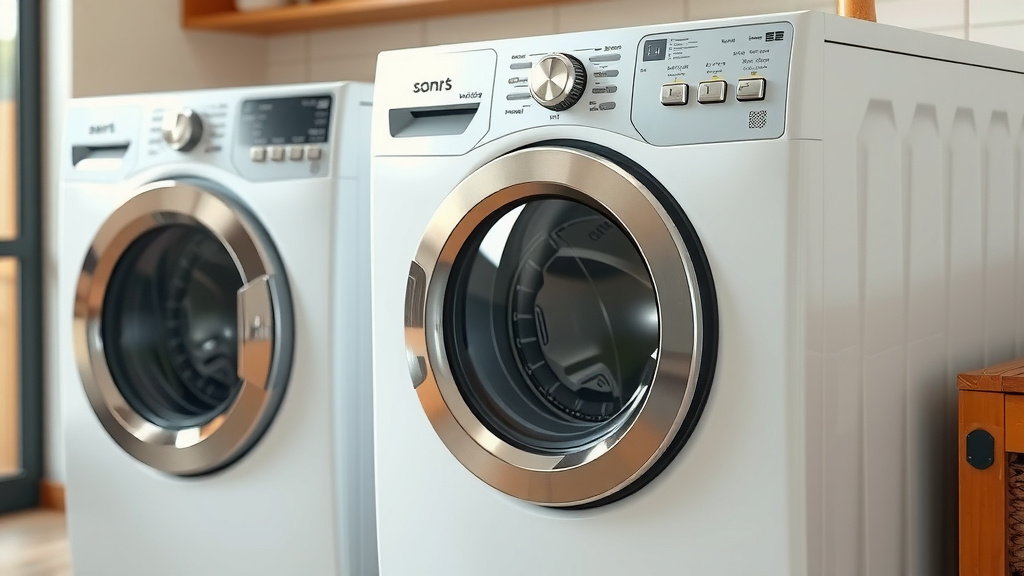
So, you’ve seen the key differences between agitator and HE washers. Your choice really comes down to what you need most from your laundry machine. An agitator offers a powerful, quick clean for tough jobs and can be lighter on your wallet upfront. HE washers, on the other hand, are champions of water and energy savings, treat your clothes with extra care, and often handle larger loads. We found that for most households, the long-term benefits and gentler fabric care of an HE model often make it the top pick. Take a moment to consider your typical laundry pile and your priorities. Then, make the choice that feels right for your home and your clothes.
Frequently Asked Questions
Are agitator washers really that bad for clothes?
Agitator washers can be tougher on fabrics due to their vigorous twisting motion. While they offer powerful cleaning, repeated washing of delicate items might lead to more wear and tear over time. For everyday sturdy fabrics, the effect is usually minimal.
How much more water does an agitator washer actually use?
Research shows agitator washers can use substantially more water than HE models. Some sources indicate they might fill the entire tub, potentially using 20-40 gallons or more per load. HE washers, by comparison, use much less water for their cleaning action.
Can I use regular detergent in an HE washer?
No, you must use HE-specific detergent in a high-efficiency washer. Regular detergents create too many suds. Excessive suds can prevent proper rinsing, leave residue on your clothes, and potentially damage the machine’s internal components.
Which type of washer is better for people with allergies or sensitive skin?
HE washers are often better for sensitive skin because they use less water and rinse more thoroughly. This means less detergent residue is left behind on your clothes, which can be a trigger for skin irritation. The gentler wash action also helps.
Do HE washers really clean as well as agitator washers?
Yes, HE washers generally clean very well, especially for everyday dirt and grime. While the cleaning action is gentler, they often compensate with longer wash times and advanced water spray technologies. For extremely heavy, caked-on dirt, an agitator might have a slight edge.