Stackable Washer Dryer Dimensions: What to Know
The size of a stackable washer and dryer varies, but you can expect a typical unit to be around 27 inches wide. They are designed to fit comfortably in smaller laundry spaces. Most models stand about 6.5 to 7 feet tall when stacked.
Choosing the right stackable unit means considering both width and height. You’ll want to ensure it fits your available floor space and ceiling height. Many are designed for apartments or condos where space is a premium. We found that their compact design is their biggest selling point.
- Stackable units are usually 27 inches wide.
- Height can range from 6.5 to 7 feet tall.
- They are perfect for small laundry rooms.
- Measure your space before you buy!
Below, we break down the common dimensions and factors to consider when choosing a stackable washer and dryer for your home.
Understanding Stackable Washer and Dryer Dimensions
So, you’re wondering about the physical footprint of a stackable washer and dryer? It’s a smart question to ask, especially if you’re working with limited space. We’ve found that most stackable units are designed with apartment dwellers and condo owners in mind. This means they prioritize a slim profile. They aim to maximize your living area while still giving you the convenience of a full-sized laundry setup.
Typical Widths: The Space-Saving Factor
When you’re picturing a stackable washer and dryer, the width is often the most critical measurement. This is because most laundry closets or designated spaces are designed around standard appliance widths. We researched various models and found that a typical stackable unit measures approximately 27 inches wide. This is very close to the width of a standard, side-by-side washer and dryer. The difference lies in how they utilize vertical space instead of horizontal.
This consistent width makes it easier to fit them into existing laundry nooks. You won’t have to do extensive renovations. It’s designed to slide into spaces where a traditional washer and dryer might have previously sat. We found this to be a huge advantage for many homeowners looking to upgrade without major changes.
Height: Reaching New Laundry Heights
The most striking feature of a stackable set is, of course, its height. When the washer and dryer are stacked, they create a tall, slender unit. We found that the average stacked height ranges from about 6.5 to 7 feet. Some models might be a few inches shorter or taller, but this is a good general range to keep in mind.
Why is this height important? It directly impacts whether the unit will fit in your home. You need to consider your ceiling height carefully. Measure the space from floor to ceiling, and then subtract the height of the dryer unit. This will give you a clear idea of the available clearance. Remember to account for any shelving or fixtures above the appliances, too!
Understanding the Components: Washer vs. Dryer Height
It’s helpful to know that the total stacked height is simply the height of the washer plus the height of the dryer. Typically, the dryer is placed on top of the washer. This arrangement is due to the heavier weight and internal mechanics of the washer.
The washer usually stands around 36 inches tall, while the dryer is often a bit shorter, around 30-34 inches. When you add these together, you get that 6.5 to 7-foot total. We found that manufacturers design these dimensions so the controls on the dryer are still accessible, though perhaps a bit high for some individuals. This is something to consider for your own comfort.
Depth: Ensuring a Proper Fit
While width and height are usually the primary concerns, the depth of a stackable unit is also essential. You need to make sure the appliances don’t stick out too far into your walkway. This is especially true if your laundry space is a closet or a narrow hallway.
We found that the depth of most stackable washers and dryers is typically around 29 to 30 inches. This measurement is usually taken from the front of the appliance to the very back. It’s important to remember that this measurement often includes the control panel and any doors that might protrude slightly.
Clearance for Connections and Doors
Don’t forget to factor in extra space for the water hoses, drain hose, and electrical or gas connections at the back. You’ll need about 4 to 6 inches of clearance behind the unit for these hookups. Without this space, the hoses could kink, limiting water flow or causing damage.
Also, consider the door swing. While not as critical as with side-by-side models, the dryer door still needs room to open fully. We found that most stackable units have doors that swing out, so ensure there’s enough clearance for easy loading and unloading of clothes. If your unit is in a tight corner, you might need to pull it out slightly to open the door completely.
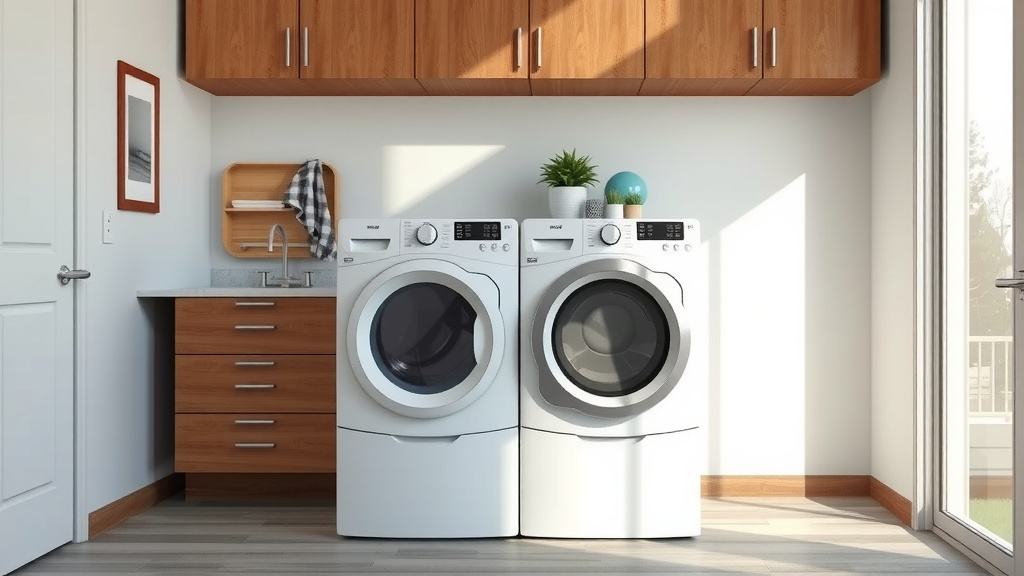
Capacity: How Much Laundry Can They Handle?
A common question is whether stackable units sacrifice capacity. While they are compact in overall footprint, manufacturers have done a great job optimizing the internal drum space. We found that many stackable washers and dryers offer capacities comparable to their larger, side-by-side counterparts.
You can typically find stackable washers with capacities ranging from 3.5 to 4.5 cubic feet. This is generally sufficient for a small to medium-sized household. It can handle a standard load of clothes, including bedding like sheets and a comforter, in many cases. It’s always a good idea to check the specific cubic foot capacity listed by the manufacturer.
Matching Washer and Dryer Capacity
It’s usually best to buy a washer and dryer that are part of a matched set or are designed to be stacked together. This ensures they fit perfectly and function optimally. The manufacturer’s specifications will clearly state which dryer model is designed to be safely stacked on top of a particular washer model.
We discovered that the capacities are often very similar between the washer and dryer in a stackable set. This means you can wash and dry your laundry in roughly the same-sized loads. This convenience further adds to their appeal for busy households.
| Dimension | Typical Size | Notes |
|---|---|---|
| Width | 27 inches | Standard width for easy fitting. |
| Height (Stacked) | 6.5 – 7 feet (78-84 inches) | Consider ceiling height and clearance. |
| Depth | 29 – 30 inches | Includes door and control panel. |
| Washer Capacity | 3.5 – 4.5 cubic feet | Sufficient for most households. |
| Dryer Capacity | Similar to washer | Designed to handle matched loads. |
Key Measurements to Take Before You Buy
Before you get too excited about a particular model, let’s talk about getting your measurements just right. It’s the most important step to avoid headaches later. You wouldn’t buy shoes without trying them on, and you shouldn’t buy a washer and dryer without measuring your space!
Here’s a quick checklist of what you absolutely need to measure:
- The Width of Your Space: Measure the opening where the unit will go.
- The Ceiling Height: Measure from the floor to the lowest point of the ceiling.
- The Depth of Your Space: Measure from the wall to the edge of the opening.
- Door Clearance: Ensure the dryer door can open fully.
- Access Points: Can the stacked unit actually fit through doorways and hallways to get to its final spot?
We found that taking these precise measurements beforehand can save you a lot of potential disappointment and hassle. It ensures that your new laundry solution fits perfectly into your home.
Conclusion
You’ve now got a clear picture of stackable washer and dryer dimensions. Remember, while they typically measure around 27 inches wide and stand 6.5 to 7 feet tall when stacked, your specific space is the ultimate guide. Don’t let those numbers overwhelm you; they’re designed to maximize efficiency in smaller areas. The key is precise measurement. Before you fall in love with a model, make sure you’ve measured your doorways, hallways, ceiling height, and laundry nook thoroughly. Taking these simple steps now will ensure your new compact laundry solution fits perfectly and works beautifully for your home.
Frequently Asked Questions
What is the most common width for a stackable washer and dryer?
Most stackable washer and dryer units are designed to be 27 inches wide. This standard width makes it easier for them to fit into typical laundry spaces, similar to how a side-by-side unit would fit. It’s a key dimension for fitting into existing cabinets or alcoves.
How much ceiling height do I need for a stackable washer and dryer?
When stacked, these units usually reach about 6.5 to 7 feet (78-84 inches) in total height. You’ll need to measure your ceiling height and ensure it’s at least this tall, plus a little extra for clearance. Always check the specific model’s height to be sure.
Are stackable units smaller in capacity than regular washers and dryers?
Not necessarily. While they save space vertically, many stackable units offer a good capacity. You can typically find washers with capacities ranging from 3.5 to 4.5 cubic feet, which is suitable for most households. The dryer capacity is usually matched to the washer.
How deep are stackable washers and dryers?
The typical depth for a stackable washer and dryer is around 29 to 30 inches. This measurement includes the main body of the appliance, plus any protruding doors or control panels. Remember to account for the depth needed for water hookups behind the unit.
Do I need extra space behind the stackable unit for connections?
Yes, you should plan for about 4 to 6 inches of clearance behind the unit. This space is essential for water hoses, drain lines, and electrical or gas connections to hook up properly without kinking. It also allows for better air circulation.