Agitator vs Impeller vs Front Loader: Which Washer is Best
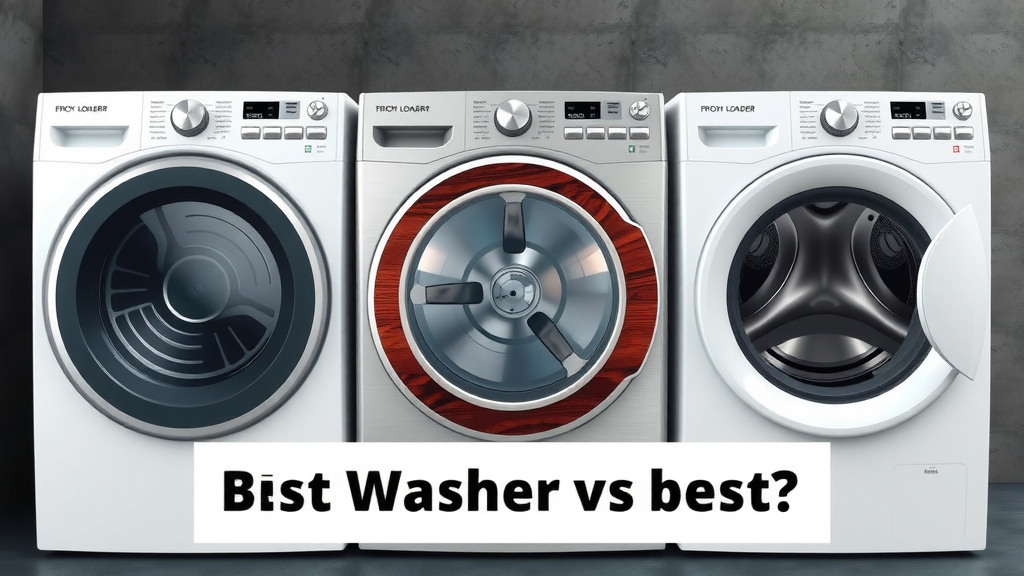
When comparing an agitator vs. impeller vs. front loader in laundry, the key difference lies in how they clean your clothes. Agitator and impeller models are found in top-load washers, while front loaders use a different tumbling action. Many experts agree that front loaders generally offer the most thorough and gentle clean for your garments.
Understanding these distinctions can help you choose the right washing machine for your needs. We found that each type has its own pros and cons regarding water usage, fabric care, and cleaning power. Knowing what to look for will make your laundry day much smoother and your clothes look better.
- Front loaders clean by tumbling clothes.
- Top-loaders use agitators or impellers for cleaning.
- Front loaders are generally more water-efficient.
- Front loaders often provide a gentler wash.
- Agitators can be tougher on fabrics than impellers.
Let’s break down what makes each washer type unique and help you figure out which one is best suited for your household’s laundry habits.
Understanding Your Washing Machine’s Cleaning Action
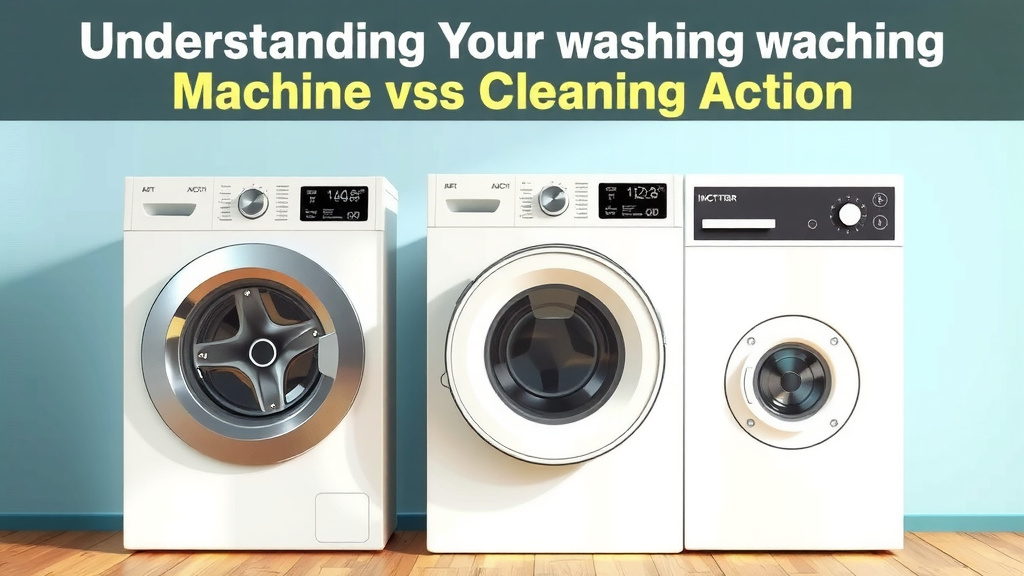
When you’re staring at a wall of washing machines, it’s easy to feel overwhelmed. But understanding how they clean can make all the difference. We’re here to help you sort out the differences between agitators, impellers, and front loaders. This knowledge will help you make a choice that keeps your clothes looking great.
Top Loaders: The Agitator and Impeller Explained
Most top-load washing machines use one of two main methods to get your clothes clean: an agitator or an impeller. They both sit in the center of the drum but work in very different ways.
The Classic Agitator: A Powerful Twist
You’ve probably seen an agitator before. It’s that tall, finned pole in the middle of some top-load washers. Its job is to move clothes around forcefully. The agitator twists and turns, rubbing against your clothes. This action helps lift away dirt and grime. Think of it like a vigorous scrub brush for your laundry. This method is very effective at cleaning tough stains.
However, that vigorous action can be tough on fabrics. We found that clothes washed with agitators sometimes show more wear and tear over time. Delicate items might not fare so well. It’s a powerful clean, but it comes with a trade-off for fabric longevity.
The Modern Impeller: A Gentler Approach
Impellers are a newer design found in many modern top-load washers. Instead of a tall pole, you’ll see a low-profile cone or disc at the bottom of the drum. This impeller spins, creating currents in the water. These currents move your clothes around the tub. It’s a less direct, more water-driven cleaning process. Many people find this method gentler on their clothes.
We found that impeller washers often use less water than agitator models. They also tend to have larger capacities because there’s no central agitator taking up space. This means you can often wash bigger loads. While generally gentler, some studies suggest that impellers might not tackle extremely heavy soiling as effectively as an agitator (Consumer Reports research). They excel at everyday washes, though.
Front Loaders: The Tumbling Action
Front-load washers take a completely different approach. Instead of a central mechanism, they rely on the drum itself to do the work. The drum spins horizontally. As it rotates, your clothes are lifted up and then tumble back down into the water. This tumbling action, combined with gravity, is how clothes get cleaned. It mimics the action of hand-washing clothes in a sink.
This method is widely considered very effective. Many experts agree that the tumbling action provides a thorough and gentle clean. Clothes are less likely to snag or stretch compared to agitator models. We also found that front loaders are generally the most water-efficient option. They use less water because they only need to fill the bottom of the drum. This can lead to lower utility bills over time.
| Feature | Agitator (Top Load) | Impeller (Top Load) | Front Loader |
|---|---|---|---|
| Cleaning Action | Central pole twists and rubs clothes | Bottom disc spins, creating water currents | Drum tumbles clothes horizontally |
| Fabric Care | Can be hard on clothes | Generally gentle | Very gentle |
| Water Usage | High | Moderate to high | Low |
| Capacity | Smaller due to agitator | Larger than agitator models | Often large capacity |
| Best For | Tough stains, durable fabrics | Everyday washes, larger loads | Delicates, energy saving, thorough cleaning |
Pros and Cons at a Glance
Each type of washing machine has its own set of advantages and disadvantages. Let’s quickly recap what we’ve discussed.
Agitator Washers
- Pros: Excellent at cleaning heavily soiled clothes.
- Pros: Very durable and reliable design.
- Cons: Can cause significant wear and tear on fabrics.
- Cons: Uses more water than other types.
- Cons: Often smaller drum capacity.
Impeller Washers
- Pros: Gentler on clothes than agitators.
- Pros: Typically larger capacity than agitator models.
- Pros: Uses less water than agitators.
- Cons: May not clean very heavy stains as effectively.
- Cons: Can sometimes tangle longer items.
Front Loaders
- Pros: Provides the most thorough and gentle clean.
- Pros: Highly water and energy efficient.
- Pros: Large capacities available.
- Cons: Often more expensive upfront.
- Cons: Cycle times can be longer.
- Cons: Require bending to load/unload (unless on a pedestal).
Making Your Choice: What Matters Most to You?
So, how do you decide? Consider your daily laundry needs. Do you have a lot of heavily soiled work clothes or sports uniforms? An agitator might be your best bet for sheer cleaning power. Are you looking to save water and energy, and treat your clothes with the utmost care? A front loader is likely your top choice. Perhaps you want a good balance of capacity and fabric care in a top-loader? An impeller model could be perfect. When considering your budget, remember that front-loaders tend to be more expensive.
Think about the types of fabrics you wash most often. If you have lots of delicate items, a front loader or impeller model will be kinder to them. If you prioritize a large load size, impeller and front loaders often offer more space. Many families find that front-loaders, despite the initial cost, pay for themselves in water savings. Plus, the gentleness on clothes means they might last longer, saving you money there too.
Quick Checklist for Choosing Your Washer Type
To help you narrow it down, ask yourself these quick questions:
- Do you often wash very dirty or heavily soiled loads?
- Are your clothes mostly delicate or prone to wear and tear?
- How important is water and energy efficiency to you?
- Do you prefer loading from the top or the front?
- What’s your budget for a new washing machine?
- How large are the typical loads you need to wash?
Conclusion
You’ve learned the core differences between agitator, impeller, and front-load washers. Agitators offer powerful cleaning for tough jobs but can be rough on fabrics. Impellers provide a gentler top-load option with larger capacities. Front loaders excel at water efficiency and fabric care through their tumbling action. Consider your most frequent laundry needs and fabric types. Then, choose the washer that best aligns with your priorities for cleaning performance, fabric longevity, and resource conservation. We encourage you to visit a store to feel the drum sizes and see the control panels for yourself.
Frequently Asked Questions
Which type of washer is best for heavily soiled clothes?
For heavily soiled clothes, agitator washers typically provide the most powerful cleaning action. Their central pole twists and scrubs, helping to dislodge tough dirt and grime effectively. However, this intensity can lead to more wear on your garments over time.
Are front loaders really more energy-efficient than top loaders?
Yes, front loaders are generally more energy-efficient. They use less water because the drum only needs to fill partially. This means your water heater has less water to heat, leading to lower energy bills for both water and electricity.
Can impeller washers handle large or bulky items?
Impeller washers often have larger capacities than traditional agitator models because they lack the central post. This can make them suitable for larger loads, including bedding or towels. However, very bulky items might sometimes get tangled in the impeller mechanism.
Do front loaders take longer to wash clothes?
Often, yes. Front-load washing cycles can be longer than those on top-load machines. This is partly due to the tumbling action and the lower water levels used. Many models offer quick wash options for lighter loads if you’re pressed for time.
Is it worth paying more for a front-load washer?
Many people find it is. While front loaders often have a higher upfront cost, their water and energy savings can offset this over time. Plus, the gentler wash action means your clothes may last longer, potentially saving you money on replacements.