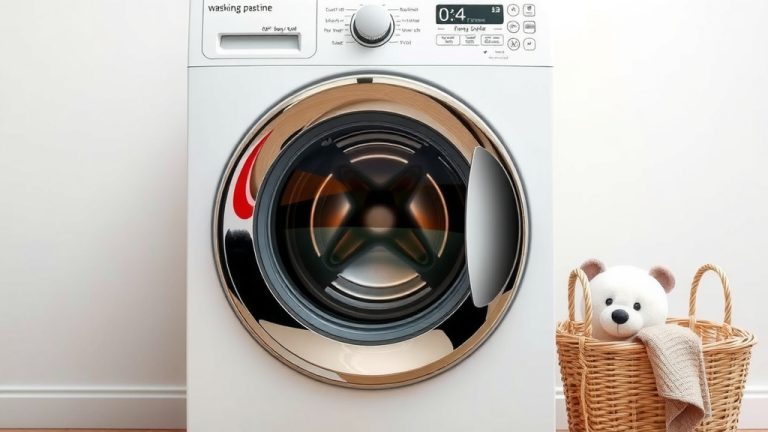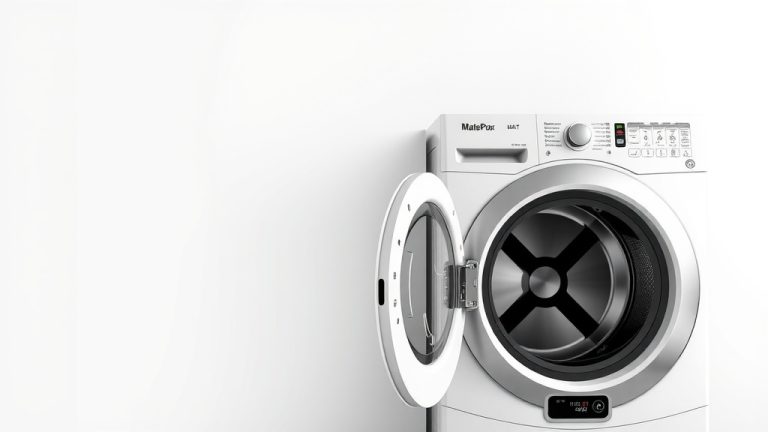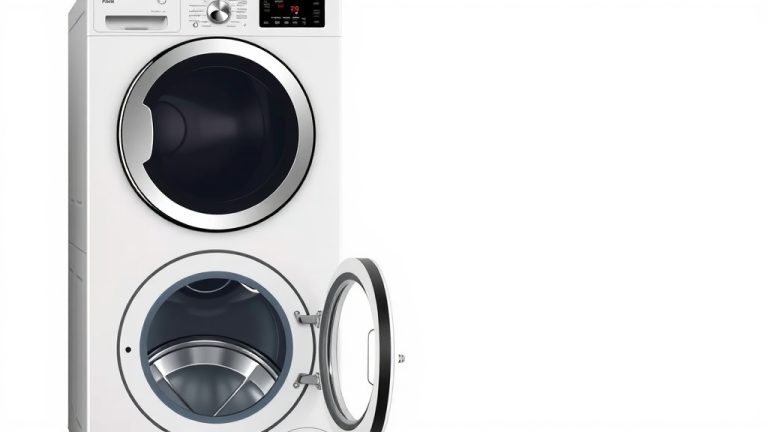
Why Front Load Washers Take So Long to Complete Cycles
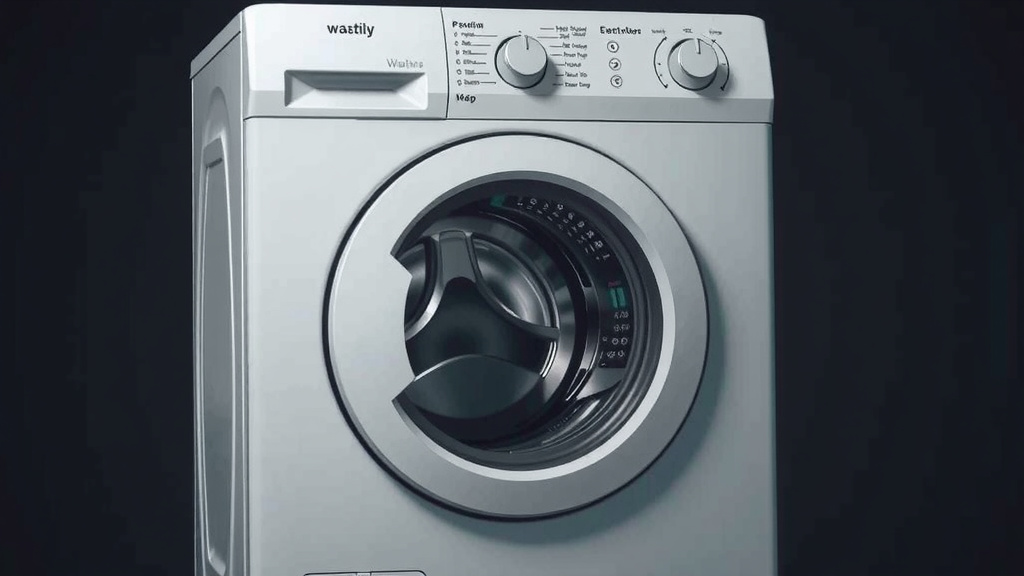
Front load washers take longer because they use less water and a tumbling action for a deeper clean. This method is more energy-efficient and gentler on clothes. While it might seem slow, this design is intentional for optimal washing results with reduced resource use.
Many people wonder about the extended cycle times. It’s a trade-off for better fabric care and environmental friendliness. Unlike older top-load machines that swish clothes in a large pool of water, front loaders rely on gravity and a low water level. This requires more time to effectively saturate and agitate the laundry.
- Front loaders use less water.
- They rely on a tumbling motion.
- This cleaning method is gentler.
- It’s also more energy-efficient.
We know waiting for laundry can be a drag. Below, we’ll explain exactly why your front load washer takes its sweet time and what makes it so effective.
Why Are Front Load Washers So Slow?
You’ve probably noticed that your front load washer cycle seems to take ages. It’s not just in your head! These machines can indeed run for much longer than older top-loaders. But there’s a good reason for that extended timeframe.
The Science Behind the Spin: How Front Loaders Work
Front load washers are designed with efficiency and fabric care in mind. They use a different approach to cleaning compared to older washing machines. This method is what contributes to the longer cycle times.
Gravity and Tumbling: The Core Cleaning Action
Instead of a central agitator that churns clothes in a lot of water, front loaders use gravity. Your clothes are lifted by internal paddles and then dropped back into a small pool of water at the bottom of the drum. This tumbling action works to loosen dirt and grime. It’s a gentler process that is kinder to your clothes.
Water Efficiency: Less is More
Front loaders use significantly less water than traditional top-load machines. They only need enough water to saturate the clothes at the bottom of the drum. This water conservation is a major benefit for the environment and your utility bills. However, using less water means the machine needs more time to ensure all fabrics are thoroughly wet and cleaned.
Detergent Action and Saturation Time
With less water, the detergent becomes more concentrated. This allows it to work more effectively on stains. But, it also requires more time for the detergent to penetrate the fabrics and lift dirt. The slower tumbling and soaking process gives the detergent the necessary time to do its job properly. Many manufacturers state that this method leads to a deeper clean (LG).
Understanding Cycle Variations and Time
Not all cycles on your front loader will take the same amount of time. Different settings are designed for different needs. Understanding these variations can help you manage your laundry schedule.
Standard Cycles vs. Specialized Settings
Your machine likely has cycles like “Normal,” “Heavy Duty,” “Delicates,” and “Quick Wash.” The “Normal” cycle is what most people use daily. It balances cleaning performance with time. However, even “Normal” can take upwards of an hour. Specialized cycles like “Heavy Duty” will naturally take longer as they apply more intensive cleaning actions. Conversely, a “Quick Wash” cycle is designed to be shorter, but it may not provide the same level of deep cleaning for heavily soiled items.
The Role of Water Temperature
Water temperature also plays a part. Heating water takes time. If you select a hot water cycle, your washer needs to heat that water to the desired temperature. This process adds to the overall cycle duration. Cold water washes will generally be shorter because they skip the heating step.
Sensor Technology and Load Size
Modern front load washers often feature advanced sensor technology. These sensors can detect the size and weight of your laundry load. They then adjust the water level and cycle time accordingly. A smaller load might finish a bit sooner than a full one. However, the base time for the tumbling action still needs to be met for effective cleaning.
Why This Longer Wash is Actually Better
While the wait can feel long, there are significant advantages to the front loader’s method. Think of it like slow cooking versus microwaving. You get a better result with a little more patience.
Gentler on Fabrics, Longer Lasting Clothes
The tumbling action is much gentler on your clothes than the harsh agitation of older machines. This means less wear and tear on fabrics. Your clothes are less likely to stretch, snag, or fade. This translates to your favorite outfits lasting longer.
Energy and Water Savings Add Up
Although the cycle is longer, front loaders are incredibly efficient. They use about 40-50% less water and a similar percentage less energy than older top-load models (Energy Star). Over time, these savings can be quite substantial.
Superior Stain Removal Power
Research and user reports often highlight the excellent cleaning capabilities of front load washers. The combination of concentrated detergent, longer saturation, and gravity-assisted tumbling effectively tackles tough stains. This means fewer re-washes and cleaner clothes overall.
What You Can Do to Speed Things Up (a Little!)
While you can’t magically make a front loader run like a top-loader, there are a few things you can do.
- Use the “Quick Wash” or “Speed Wash” cycle for lightly soiled items when time is short.
- Sort your laundry effectively so you can wash similar items together.
- Don’t overload the machine. An overloaded drum can actually increase cycle time as it struggles to move clothes effectively.
- Consider using warmer water if your load is particularly dirty, as it can sometimes help with faster soil removal, though it uses more energy.
- Pre-treat stains before putting clothes in the washer.
Comparing Wash Times: A Quick Look
To give you a general idea, here’s a simplified comparison. Keep in mind that exact times vary by brand, model, and specific cycle selected.
| Washer Type | Typical “Normal” Cycle Time | Water Usage (Estimated) | Energy Efficiency |
|---|---|---|---|
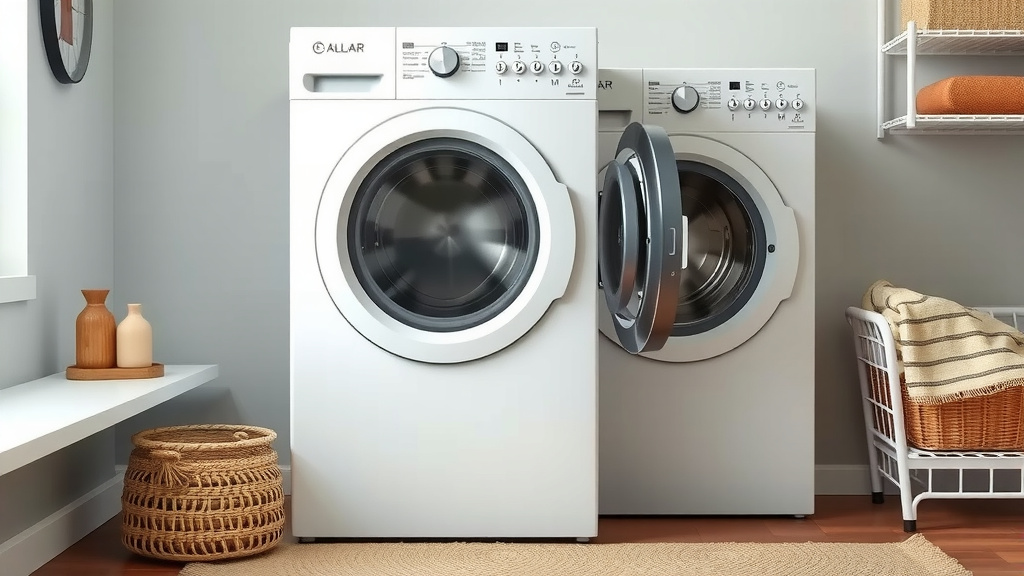
| Front Load Washer | 60-120 minutes | 15-30 gallons | Very High |
| Traditional Top Load Washer (with agitator) | 30-60 minutes | 40-60 gallons | Lower |
Conclusion
So, you’ve learned that your front load washer’s longer cycle isn’t a flaw, but a feature designed for better cleaning and efficiency. The tumbling action, combined with less water, gives your clothes a gentler, deeper clean while saving resources. While waiting might test your patience, the benefits for your wardrobe and utility bills are clear. Next time you start a load, embrace the process! Consider using a “Quick Wash” cycle for lighter loads or ensuring you’re not overcrowding the drum to optimize your laundry routine.
Frequently Asked Questions
Can I make my front load washer run faster?
You can’t magically shorten the standard cycles, but you can use the “Quick Wash” or “Speed Wash” option for lightly soiled items. Properly sorting your laundry and avoiding overloading the machine can also help cycles run as efficiently as intended.
Why does the “Normal” cycle take so long on a front loader?
The “Normal” cycle is designed to balance effective cleaning with fabric care and water efficiency. It uses a slower tumbling motion and less water, which requires more time for thorough saturation and soil removal compared to older top-load machines.
Does hot water make front load washers run longer?
Yes, selecting a hot water temperature setting will generally increase the cycle time. Your washer needs extra time to heat the water to the desired temperature before the main washing action can effectively begin.
Are front load washers really more energy-efficient if they run longer?
Absolutely. Despite longer cycle times, front load washers use significantly less water and energy per load. The efficiency comes from the reduced water consumption and often more effective motor operation, offsetting the extended duration.
Why does my front load washer use so little water?
Using less water is a core design principle of front loaders. This water conservation is better for the environment and your water bill. The machine relies on a more concentrated detergent solution and the tumbling action to clean clothes effectively with minimal water.