Impeller vs Agitator Washer: Key Differences Explained
When choosing a washing machine, understanding the difference between an impeller and an agitator is key. An impeller washer uses a low-profile cone or disc to spin clothes, offering gentler cleaning and more capacity than an agitator model. An agitator washer has a central post that twists and turns clothes, providing a more vigorous wash but potentially causing more wear and tear.
The debate between impeller and agitator washers often comes down to your priorities. Impellers are favored for their larger load sizes and gentle touch on fabrics. Agitators are known for their ability to handle heavy-duty cleaning and stain removal effectively. Many consumers research these differences to find the best fit for their laundry needs and preferences.
- Impeller washers are gentler and hold more clothes.
- Agitator washers offer a stronger clean, better for tough stains.
- Consider load size and fabric care when choosing.
- Both have pros and cons depending on your laundry habits.
We found that the best choice really depends on what you value most in your laundry routine. Let’s break down exactly how each type works and what that means for your clothes.
Understanding Your Washing Machine: Impeller vs. Agitator
Choosing a washing machine can feel like a big decision. You want clean clothes without damaging them. Two main types of washing machines use different methods to get your laundry done: impeller and agitator. Let’s break down how each one works and what that means for your wash day.
How an Impeller Washer Cleans Your Clothes
An impeller washer uses a different approach than traditional agitator models. Instead of a tall central post, you’ll find a low-profile cone or disc at the bottom of the drum. This part spins. It creates currents in the water. These currents move your clothes around the drum. The friction between the clothes and the water helps lift dirt away. Think of it like a gentle swirling motion.
The Benefits of Using an Impeller Washer
One of the biggest advantages of an impeller is its capacity. Because there’s no large agitator taking up space, you can fit more clothes into the drum. This is great for families or anyone who likes to do larger loads. Many researchers have found that impeller washers can handle bigger loads more effectively than agitator models.
Impeller washers are also known for being gentler on fabrics. The swirling action is less abrasive than the twisting and turning of an agitator. This means your clothes may last longer and show less wear and tear. It’s a good choice for delicate items or clothing you want to keep looking new.
Potential Downsides of Impeller Washers
While gentler, impeller washers might not always be the best for extremely soiled items. The cleaning action is less aggressive. This can sometimes mean that very tough stains might require pre-treatment or an extra wash cycle. Some studies suggest that for heavily soiled work clothes, an agitator might provide a more thorough clean.
How an Agitator Washer Cleans Your Clothes
The classic washing machine design features an agitator. This is the tall, finned post you see right in the center of the drum. Its job is to move back and forth. It twists and turns your clothes through the wash water. This vigorous motion is designed to create friction. This friction helps scrub dirt and stains out of the fabric.
The Power of the Agitator: Pros
Agitator washers are known for their powerful cleaning. That central post really gets in there. It actively works the clothes. This makes them excellent for tackling tough stains and heavily soiled items. If you have muddy sports uniforms or grease-stained work clothes, an agitator can be your best friend.
Many consumers prefer agitators because they often feel more confident about getting things truly clean. Research indicates that the mechanical action of an agitator can be very effective at lifting embedded dirt. This is why they’ve been a staple in laundry rooms for so long.
Considerations with Agitator Washers
The main drawback of an agitator is that it can be rougher on clothes. The constant twisting and turning can cause fabrics to stretch, snag, or wear out faster. You might notice that your favorite sweaters or delicate blouses don’t hold up as well over time when washed in an agitator machine.
Another limitation is the load size. The agitator takes up a significant amount of space in the drum. This means you generally can’t fit as many items into a single load compared to an impeller washer. You might find yourself doing more frequent, smaller loads, which can add to your overall laundry time.
| Feature | Impeller Washer | Agitator Washer |
|---|---|---|
| Cleaning Action | Low-profile disc/cone spins; water currents move clothes | Tall central post twists and turns clothes |
| Gentleness on Clothes | Generally gentler | Can be rougher |
| Load Capacity | Larger loads possible | Smaller loads typical |
| Cleaning Power (Tough Stains) | Good, may need pre-treatment | Very good, effective |
| Water Usage | Often uses less water | May use more water |
Which Type is Right for Your Laundry Needs?
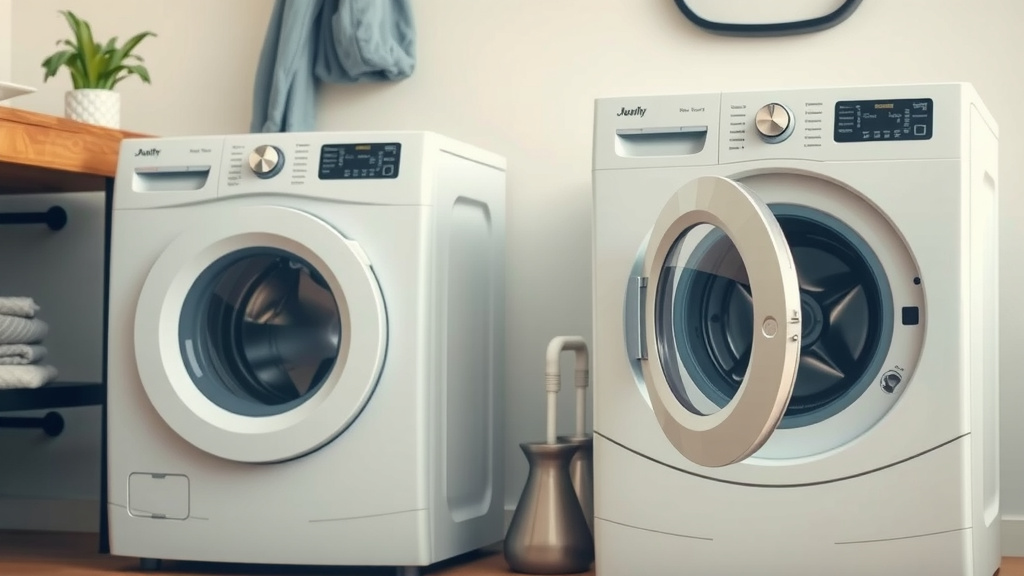
Deciding between an impeller and an agitator really comes down to your priorities. Do you tend to do large loads? Or are you washing delicate fabrics frequently? Perhaps you have a lot of tough stains to deal with.
We found that many people choose an impeller washer if they want to maximize the amount of laundry they can do at once and be gentler on their clothing. If getting the absolute deepest clean on heavily soiled items is your top concern, an agitator might be the better fit.
Making Your Final Choice: A Quick Checklist
To help you decide, consider these points:
- Do you often wash bulky items like blankets or comforters?
- Are your clothes typically lightly to moderately soiled?
- Do you have a lot of delicate or easily damaged fabrics?
- Do you frequently deal with tough, set-in stains?
- Is maximizing load size a priority for saving time?
- Do you prefer a more hands-off approach to stain removal?
Conclusion
Choosing between an impeller and an agitator washer boils down to your personal laundry habits and priorities. If you’re looking to wash larger loads and treat your clothes with extra care, an impeller model is likely your best bet. For those times when you need to tackle stubborn stains and get clothes exceptionally clean, the robust action of an agitator can’t be beaten. Consider your typical laundry challenges and fabric types. Then, make the choice that best fits your lifestyle to ensure your clothes come out perfectly clean, load after load.
Frequently Asked Questions
Can an impeller washer really handle large loads effectively?
Yes, impeller washers are designed to accommodate larger loads. Their lack of a central agitator allows for more usable space in the drum, making them great for bulky items or family-sized washes. You’ll find they can often clean a bigger pile of clothes more efficiently than a traditional agitator model.
Will an agitator washer damage my delicate clothes?
While agitator washers provide a powerful clean, their vigorous motion can be tougher on delicate fabrics. It’s often recommended to use a gentler cycle setting or a mesh laundry bag for delicate items when washing them in an agitator machine to minimize potential wear and tear.
Do impeller washers use less water than agitator washers?
Generally, impeller washers tend to use less water because they don’t need to fill the entire drum to submerge clothes. The cleaning action relies more on the water currents created by the impeller, allowing for more efficient water usage per load.
Which type of washer is better for getting out tough stains like grease or mud?
Agitator washers are typically considered more effective for very tough stains. The strong mechanical action of the central post helps to scrub and lift out embedded dirt and grime more aggressively than the swirling motion of an impeller.
Are impeller washers quieter than agitator washers?
Many users find impeller washers to be quieter during operation. Since they lack the prominent central post of an agitator, the tumbling action can be smoother and less noisy. However, the overall noise level can also depend on the specific model and build quality.