Front Load Washer Cost Explained
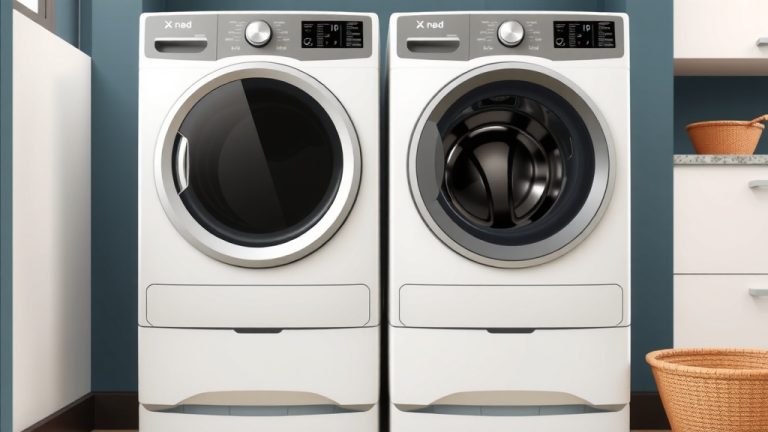
Front load washing machines cost more upfront because they use Understanding the general washing machine cost can help explain the premium for front-load models.advanced technology, are built with higher quality materials, and offer superior energy efficiency. These machines often incorporate features like sophisticated water-saving systems and durable stainless steel drums. This advanced engineering and material choice directly impacts the initial purchase price compared to simpler top-load models. You’re investing in a more efficient and gentler way to clean your clothes.
Many consumers wonder why the initial investment is higher. We found that the innovative drum design and the use of stronger, corrosion-resistant components contribute significantly to the cost. These machines are designed for longevity and better performance. They also typically use less water and electricity over their lifespan, which can lead to savings over time. Understanding these factors helps explain the price difference you see at the store.
Here’s a quick rundown of why front loaders can be pricier:
- Advanced Wash Technology: Special drum movements and water sensors are costly to implement.
- Higher Quality Construction: Expect more durable materials like stainless steel.
- Energy and Water Savings: These features are built-in, adding to the initial cost but saving you money later.
- Quieter Operation: Better insulation and motor technology mean less noise, which also adds to the price.
Let’s dive deeper into the specific reasons behind the higher price tag of front load washers.
Understanding the Higher Price of Front Load Washers
You’ve probably noticed that front load washing machines often come with a higher price tag than their top-loading counterparts. It’s a fair question to ask: why do these machines cost more? We found that the advanced technology and superior construction methods are the main drivers behind this difference. These washers are designed for better performance and efficiency, and that engineering comes at a cost.
Advanced Engineering and Technology
The sophisticated features inside a front load washer contribute significantly to its cost. These aren’t just simple tubs with agitators anymore. They are precision machines designed to clean your clothes effectively and gently.
Innovative Drum Design and Action
Front loaders use a horizontal drum. This design allows clothes to tumble and drop, using gravity to help clean them. This is different from top loaders, which often rely on an agitator or impeller. This tumbling action is gentler on fabrics, reducing wear and tear. We found that the engineering required for this specific drum movement, along with the suspension system to handle the rotation, adds to the manufacturing expense.
These machines often use sensors to detect load size and water levels. This helps optimize the wash cycle. This smart technology ensures you’re not wasting water or energy. Such precise control systems require more advanced components, which naturally increase the overall cost.
Water and Energy Efficiency Features
One of the biggest selling points of front loaders is their efficiency. They use significantly less water per cycle than traditional top loaders. This is partly due to the horizontal drum design, which only needs to fill the bottom portion of the drum with water. Experts say this can lead to substantial savings on your utility bills over time (Energy Star). This efficiency is built into the machine’s design and requires specialized pumps and water management systems.
The high-speed spin cycles are another factor. Front loaders can spin much faster, extracting more water from clothes. This means less time is needed in the dryer, saving even more energy. The motors and balancing systems required to support these high speeds are more robust and, therefore, more costly to produce.
Superior Build Quality and Materials
Beyond the technology, the materials used in front load washers also play a role in their higher price. Manufacturers often opt for more durable and higher-grade components to ensure longevity and performance.
Durable Drum Materials
You’ll frequently find that the drums in front load washers are made from stainless steel. Stainless steel is chosen for its strength, durability, and resistance to rust and corrosion. Unlike plastic or coated metal drums found in some older or less expensive models, stainless steel offers a much longer lifespan. We found that the higher cost of stainless steel directly impacts the final price of the appliance.
Robust Construction and Components
These machines are built to withstand the rigors of frequent use and high-speed spinning. This often means stronger frames, more durable door seals, and heavier-duty bearings. These are not cheap parts. They are designed to last for many years, providing reliable service. The investment in these high-quality components is reflected in the upfront purchase price. Think of it like buying a sturdy piece of furniture versus a flimsy one; the difference in materials and construction is clear, as is the price.
Quieter Operation and Vibration Control
Front load washers are generally much quieter than top loaders. This is achieved through better insulation, advanced motor technology, and sophisticated suspension systems. These systems are designed to absorb vibrations, especially during the high-speed spin cycle. Minimizing noise and vibration requires careful engineering and the use of specialized materials, which adds to the manufacturing cost.
Long-Term Value and Cost Savings
While the initial cost of a front load washer might be higher, it’s important to consider the long-term savings. Many owners find that the efficiency benefits and durability of these machines make them a worthwhile investment over their lifespan.
Reduced Utility Bills
As mentioned, front loaders use less water and electricity. If you have a larger family or do a lot of laundry, these savings can add up significantly each month. We found research indicating that front load washers can use up to 50% less water than traditional top-load models (U.S. Department of Energy). Over 10-15 years, this can amount to hundreds, if not thousands, of dollars saved.
Gentler on Clothes
The tumbling action of front loaders is kinder to your garments. This means your clothes can last longer, reducing the frequency with which you need to replace them. While it’s hard to put an exact dollar amount on this, extending the life of your wardrobe is another form of saving money. It’s an added benefit that contributes to the overall value proposition of these machines.
Durability and Lifespan
The robust construction and higher-quality materials mean front loaders are often built to last longer. While a basic top loader might need replacing sooner, a well-maintained front loader can serve your household for many years. This increased lifespan further offsets the initial higher cost when you factor in the cost per year of use.
| Feature | Front Load Washer | Typical Top Load Washer |
|---|---|---|
| Water Usage | Low | High |
| Energy Efficiency | High | Medium to Low |
| Wash Action | Tumbling (gentle) | Agitator/Impeller (can be rougher) |
| Spin Speed | Very High | Medium |
| Typical Drum Material | Stainless Steel | Coated Steel or Plastic |
| Initial Cost | Higher | Lower |
| Long-Term Savings | Higher (utilities, clothing) | Lower |
Considering all these factors – the advanced technology, the better materials, and the promise of long-term savings – the higher upfront cost of a front load washing machine starts to make more sense. You’re investing in a more efficient, gentler, and more durable appliance.
A Quick Checklist for Your Decision
When thinking about why front load washers cost more, consider these points:
- Advanced wash cycles and sensors are costly to engineer.
- Stainless steel drums offer better durability but cost more than plastic.
- High-speed spin cycles require robust motors and suspension systems.
- Water and energy-saving features are built-in, adding to the initial price.
- Quieter operation demands better insulation and motor technology.
- Overall longer lifespan means better value, justifying the higher upfront payment.
Conclusion
You now understand why front load washing machines carry a higher price tag. It’s an investment in advanced engineering, superior materials, and long-term efficiency. These machines offer a gentler clean and can save you money on utility bills over time. While the initial cost might seem steep, the durability and performance of a front loader often make it a smart choice for your home. Consider your laundry habits and budget, and choose the washer that best fits your needs for years to come.
Frequently Asked Questions
Are front load washers really worth the extra cost?
Yes, for many households, front load washers are worth the investment. Their efficiency can lead to lower utility bills, and their durable construction often means a longer lifespan compared to less expensive models. Research indicates the long-term savings can offset the initial higher price.
Does a more expensive front load washer guarantee better cleaning?
While price often correlates with features and build quality, a higher price doesn’t automatically guarantee superior cleaning for every type of stain. However, the advanced wash actions and technology in pricier models are designed for improved performance and fabric care.
Why do front load washing machines use less water?
Front load washers use less water because of their horizontal drum design. The drum only needs to fill with enough water to reach the bottom of the clothes for effective tumbling, unlike top loaders that often fill the entire tub.
Can I find a good quality front load washer on a budget?
It’s possible, but you might have to compromise on some advanced features or the highest-grade materials. Look for models that still offer good energy efficiency ratings and durable drum construction, even if they lack the very latest smart technology.
How does the higher spin speed of a front loader impact its cost?
The high-speed spin cycles require robust motors, stronger suspension systems, and better balancing technology to prevent excessive vibration and wear. These more durable components add to the manufacturing cost of the machine.