Top-Load vs Front-Load Washer: Which is Better
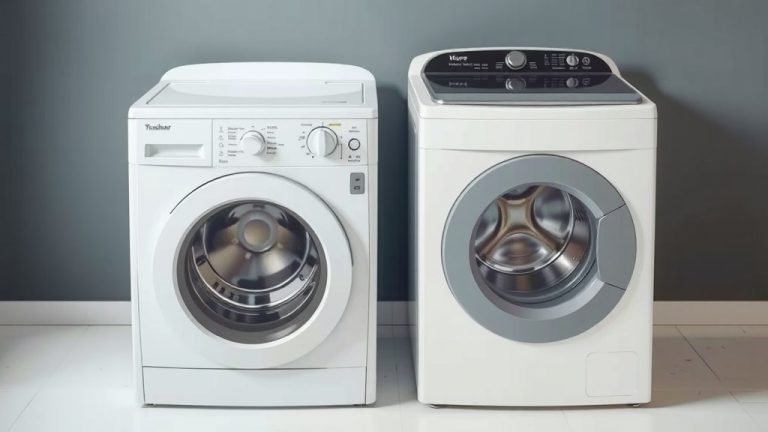
When choosing a washer, the best type depends on your needs. For most homes, a high-efficiency (HE) front-load washer offers superior cleaning and water savings. If budget and simplicity are top priorities, a To understand the financial aspect, our guide to washing machine cost can help.top-load impeller model is a good choice.
Both front-load and top-load washers have their pros and cons. We found that HE machines generally use less water and energy. This can lead to lower utility bills over time. However, they may also have a higher upfront cost and longer wash cycles. Top-loaders are often quicker and more affordable upfront.
- Front-load HE washers clean best and save water/energy.
- Top-load impeller models are budget-friendly and simple.
- Top-load agitator models are traditional but can be rough on clothes.
- Consider your budget, space, and laundry habits.
Let’s break down the differences between these popular washer types to help you make the right pick for your home.
Choosing the Right Washing Machine for Your Home
Selecting the ideal washer type boils down to a few key factors. We’ve researched the most popular options to help you make an informed decision.
Understanding Different Washer Designs
The Classic Top-Load Agitator Washer
This is the washer many of us grew up with. It features a central post, called an agitator, that twists and turns clothes. This action helps scrub them clean.
Agitator models are known for their simplicity and affordability. They tend to be less expensive upfront than other types. You can also add laundry mid-cycle easily.
However, this scrubbing action can be quite harsh on fabrics. Over time, clothes might show signs of wear and tear more quickly. They also use more water than high-efficiency models.
The Modern Top-Load Impeller Washer
You might also hear these called “HE top-loaders.” Instead of a central post, they have a low-profile disc or impeller at the bottom. This spins and tumbles clothes.
These machines use less water than agitator models. They are also gentler on your laundry. Many offer larger capacities, meaning fewer loads.
We found that impeller washers generally clean well. They are a great middle-ground for those who prefer top-loading but want better efficiency. The cycles can sometimes be a bit longer than agitator models.
The High-Efficiency Front-Load Washer
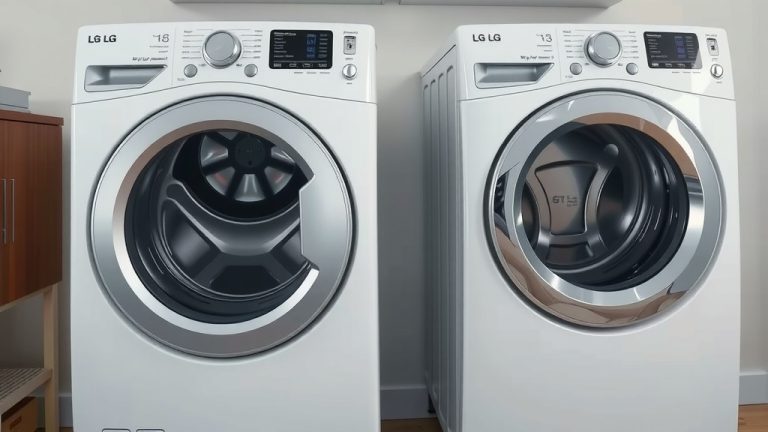
Front-loaders have a door on the front. They tumble clothes through a small amount of water, mimicking a natural washing motion. This is very effective at removing stains.
Many experts agree these offer the best cleaning performance. They are also the most water and energy-efficient. This means lower utility bills over the life of the machine.
On the flip side, front-loaders typically have a higher purchase price. Wash cycles can also be longer. Some people find bending down to load and unload inconvenient, but many brands offer pedestals to raise the machines.
Key Factors to Consider Before You Buy
Your Laundry Load Size and Frequency
How much laundry do you typically do? Do you have a large family or just one or two people? Larger families might benefit from the generous capacities of front-load or impeller top-load washers.
Consider how often you run your washer. If you do laundry daily, efficiency might be a bigger concern. If it’s a weekly task, you might have more flexibility.
Space and Installation Requirements
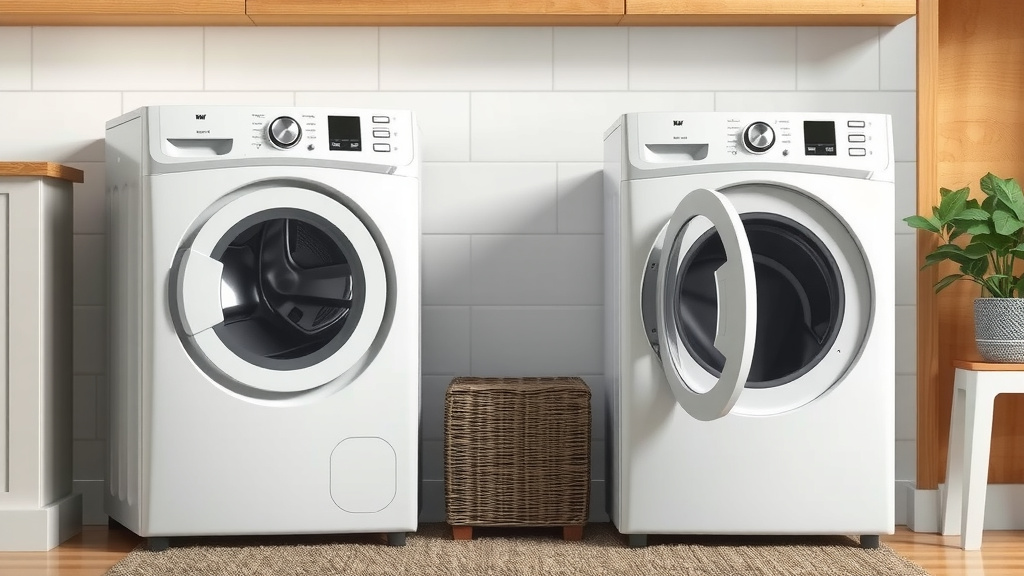
Measure your laundry space carefully. Ensure there’s enough room for the washer, plus clearance for doors and venting if needed. Front-loaders are often more compact, making them ideal for smaller spaces.
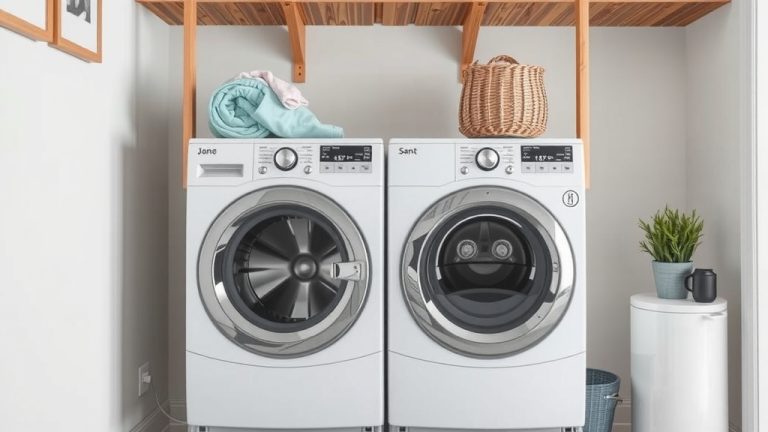
Stackable front-load washers are also an option if you need to fit both a washer and dryer into a tight spot. This can really maximize your available space.
Budget: Upfront vs. Long-Term Costs
It’s true that HE washers, especially front-loaders, often cost more initially. However, think about the long-term savings. Less water and electricity usage add up.
We calculated that over 10 years, an HE machine could save you hundreds of dollars on utility bills. This can offset the higher purchase price. Many government programs also offer rebates for energy-efficient appliances.
Cleaning Performance and Fabric Care
If you deal with tough stains regularly, a front-load washer is often your best bet. Their tumbling action is very effective. Many models also include specialized cycles for delicates or heavy-duty cleaning.
Top-load impeller models offer a good balance between cleaning and gentleness. Agitator models are the most aggressive, which might be suitable for heavily soiled work clothes but less so for everyday items.
Comparing Washer Features at a Glance
| Feature | Top-Load Agitator | Top-Load Impeller (HE) | Front-Load (HE) |
|---|---|---|---|
| Cleaning Power | Good, can be harsh | Very Good | Excellent, gentle |
| Water Efficiency | Low | High | Very High |
| Energy Efficiency | Moderate | High | Very High |
| Fabric Care | Harsh | Gentle | Very Gentle |
| Upfront Cost | Low | Moderate | High |
| Cycle Time | Short | Moderate to Long | Long |
| Ease of Loading | Easy | Easy | Requires bending or pedestal |
Your Washer Buying Checklist
To make sure you’re getting the right machine, ask yourself these questions:
- What’s my budget for the washer itself?
- How much space do I have for installation?
- How much laundry do I do each week?
- Are water and energy savings a priority?
- What types of fabrics do I wash most often?
- Do I need special cycles for stains or delicates?
Conclusion
You’ve learned that the best washer for you really comes down to your unique household needs and priorities. For top-tier cleaning and long-term savings on water and energy, a high-efficiency front-load washer is often the leading choice. If you’re on a tighter budget or prefer a simpler operation with easier loading, a top-load impeller model strikes a great balance. Weighing your budget, laundry habits, and space will guide you to the perfect machine. Now, you’re ready to make an informed decision for your home!
Frequently Asked Questions
Are HE washers worth the extra cost?
While HE washers, especially front-loaders, have a higher upfront price, they can save you a significant amount on utility bills over time. We found that the water and energy savings can often offset the initial investment within a few years.
Can I really wash big loads in an HE machine?
Yes, many HE washers, particularly front-loaders and impeller top-loaders, offer larger capacities than older traditional models. This means you can wash more clothes in fewer loads, saving you time and energy.
Is a front-load washer difficult to load for shorter people?
Bending down to load a front-load washer can be a concern for some. However, many brands offer optional pedestals that raise the machine. This makes loading and unloading much more convenient and accessible.
Will a top-load agitator washer damage my clothes?
The central agitator in traditional top-load washers can be rough on fabrics, leading to faster wear and tear. If you wash a lot of delicate items or want your clothes to last longer, an impeller or front-load model is a gentler option.
Which washer type is best for tough stains?
For tackling tough stains, research suggests that high-efficiency front-load washers generally provide the best cleaning performance. Their tumbling action helps lift and remove dirt and grime more effectively than other types.