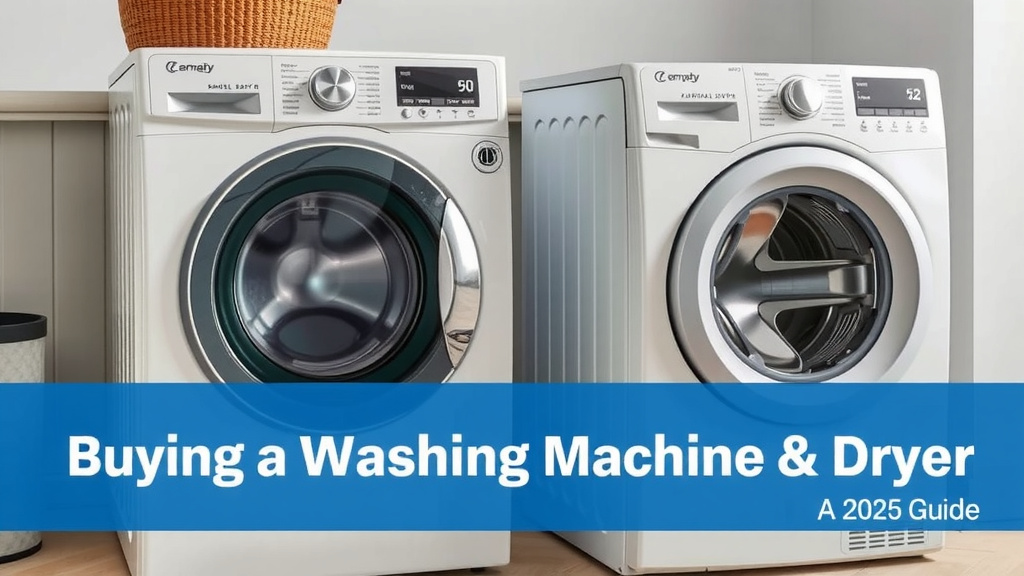
Buying a Washing Machine & Dryer: A 2026 Guide
Buying a new washing machine and dryer can feel like a big decision. To get the best set for your home, consider your budget, the size of your laundry space, and the types of loads you do most often. We found that understanding these key factors first makes the shopping process much smoother.
Beyond the basics, think about whether you prefer a front-load or top-load model. Each has its own pros and cons regarding water usage, cleaning performance, and ease of loading. Many consumers also look for specific features like steam cycles or smart connectivity. Doing your research ensures you get a durable and efficient pair.
TL;DR:
- Set a realistic budget before you start shopping.
- Measure your laundry space to ensure a perfect fit.
- Decide between front-load vs. top-load washers.
- Think about special features you might need.
- Consider energy efficiency for long-term savings.
Ready to find your perfect laundry match? Let’s walk through exactly how to choose the right washing machine and dryer for your needs.
Choosing Your New Laundry Pair
So, you’re ready to bring home a new washing machine and dryer. It’s an exciting time! But with so many options, where do you begin? We’ve found that focusing on a few key areas first can make your shopping trip much easier. Let’s break down how to find the perfect laundry mates for your home.
Understanding Your Washing Machine Needs
The washer is the heart of your laundry setup. You want one that cleans well and handles your typical loads. Think about the types of clothes you wash most. Do you have lots of delicate items? Or are you usually washing bulky towels and bedding? This will guide your choice.
Top-Load vs. Front-Load Washers
This is a big decision, and each type has its fans. Top-load washers are often more affordable and have shorter wash cycles. They also tend to be easier to load if you have back issues. Many people find they can add forgotten items mid-cycle with ease.
Front-load washers, on the other hand, are known for being more energy-efficient. They typically use less water and can be gentler on clothes. We found that they also tend to clean better, especially for tough stains. However, they can be more expensive upfront and may require bending to load and unload.
Capacity Matters: How Much Laundry Do You Do?
Consider the size of your household. A large family will need a washer with a larger capacity to handle more laundry at once. This can save you time and energy in the long run. For singles or couples, a smaller or medium-sized washer might be perfectly adequate.
We’ve seen that a standard washer capacity ranges from about 3.5 to 5.5 cubic feet. A 4.0 cubic foot washer can typically handle about 8-10 pounds of laundry per load. For perspective, that’s about 10-12 pairs of jeans or 40-5 bath towels. You don’t want to overstuff your washer, as this can damage clothes and the machine itself (Consumer Reports).
Exploring Dryer Features and Options
Once you’ve picked a washer, it’s time to think about the dryer. What’s most important to you? Is it speed, fabric care, or energy savings? Let’s look at the choices you have.
Gas vs. Electric Dryers
This is often determined by what hookups you have in your laundry space. Electric dryers are more common and generally easier to install. They plug into a standard 240-volt outlet.
Gas dryers require both a gas line and a standard electrical outlet. Many find that gas dryers heat up faster and can be more energy-efficient over time, potentially saving you money on utility bills. However, the initial cost of installation and the dryer itself might be higher.
Choosing the Right Dryer Size and Type
Like washers, dryers come in various capacities. You’ll want a dryer that can comfortably tumble-dry your clothes. Overloading a dryer can lead to wrinkled clothes and longer drying times. Research suggests matching your dryer’s capacity to your washer’s capacity for the best results.
Beyond size, consider the type of technology. Most standard dryers use a venting system to release moist air. There are also ventless options, like condensation dryers or heat pump dryers. Heat pump dryers are incredibly energy-efficient but often come with a higher price tag and longer drying cycles. Condensation dryers don’t require venting but can produce some heat and humidity in the room.
Budgeting for Your New Appliances
It’s easy to get swept up in fancy features, but setting a realistic budget is key. We found that basic, reliable models can be found for a few hundred dollars. High-end models with smart features and special cycles can easily cost over a thousand dollars each.
Don’t forget to factor in potential costs for delivery, installation, and any necessary accessories, like dryer vents or water hoses. Some retailers offer installation packages, which can be a good deal.
Energy Efficiency: Long-Term Savings
Look for the ENERGY STAR label when shopping. Appliances with this label are certified to be more energy-efficient than standard models. This means they use less electricity or gas, which translates to lower utility bills throughout the life of the appliance.
While energy-efficient models might have a higher upfront cost, the savings on your energy bills can often offset this over several years. Many guidelines point to this as a smart long-term investment (U.S. Department of Energy).
Key Features to Consider
Beyond the basic washing and drying functions, many machines offer extra features. Think about what would genuinely make your laundry routine easier:
- Steam cycles: These can help reduce wrinkles and sanitize clothes.
- Sanitize settings: Great for allergy sufferers or for washing bedding.
- Quick wash/dry cycles: Perfect for when you’re in a hurry.
- Smart capabilities: Control your machines via an app, receive notifications, and even download new cycles.
- Durable drums: Stainless steel drums are generally considered more durable and less likely to snag clothes than plastic ones.
We’ve found that while some features are fantastic, others might be features you rarely use. It’s a good idea to prioritize the functions that align with your daily laundry habits.
Measuring Your Space: A Vital Step
Before you fall in love with a particular model, grab your tape measure! You need to ensure the new machines will fit comfortably in your designated laundry area. Measure the height, width, and depth of the space. Also, check the clearance needed for opening doors and for connecting hoses and vents.
Don’t forget to measure doorways and hallways to ensure the appliances can actually be delivered into your home. It’s a step many people overlook, and it can cause a lot of headaches later.
Your Laundry Machine Checklist:
Here’s a quick rundown to help you make your choices:
- Budget: How much can you realistically spend?
- Capacity: How much laundry do you do?
- Type: Front-load or top-load washer? Gas or electric dryer?
- Space: Will they fit with room to spare?
- Features: Which extras are must-haves for you?
- Efficiency: Do you want to save on energy bills?
Conclusion
You’re now well-equipped to find your perfect laundry set! We’ve walked through understanding your needs, from washer type and dryer fuel to the essential step of measuring your space. Remember to balance your budget with the features that will genuinely improve your laundry routine. Prioritizing energy efficiency means long-term savings, too. Your next step is to head to the store or start browsing online with this checklist in hand. You’ve got this!
Frequently Asked Questions
How do I know if I need a high-efficiency washer?
High-efficiency (HE) washers use less water and energy. Research shows they clean clothes effectively and are gentler on fabrics. If you want to reduce your utility bills and environmental impact, an HE model is a smart choice.
What is the difference between a HE top-load and a standard top-load washer?
Standard top-loaders use an agitator to clean clothes and typically use more water. HE top-loaders often lack an agitator and use impeller plates, using less water and providing more space for laundry. We found HE models are generally more efficient.
Do smart washing machines and dryers actually save time?
Smart features let you start, stop, and monitor cycles from your phone. They can send alerts when laundry is done or even help diagnose issues. While they don’t speed up the wash cycle itself, they can make managing your laundry more convenient.
Is it worth paying more for a steam cycle on a washer or dryer?
Steam cycles can help remove stubborn stains and sanitize clothes. They also help reduce wrinkles, meaning less ironing. If you frequently deal with tough stains or want to minimize wrinkles, a steam feature can be very useful.
What’s the best way to compare energy efficiency ratings between brands?
Look for the ENERGY STAR label on appliances. This certification indicates that the machine meets strict energy efficiency guidelines set by the EPA. You can also check the yellow EnergyGuide label, which shows estimated yearly energy costs.