Best Washer and Dryer: Your Smart Purchase Guide
There isn’t one single “best” washer and dryer for everyone, as the ideal choice depends on your budget, space, and laundry habits. We found that top-rated models often balance energy efficiency with powerful cleaning performance and helpful features like steam cycles or smart connectivity. Consider your specific needs to find your perfect match.
When shopping, you’ll see many options, from classic top-loaders to modern front-loaders. Front-loaders generally use less water and are gentler on clothes. Stackable units are great for saving space. Think about the capacity you need for your household size and the types of fabrics you wash most often.
- Front-loaders are often more energy-efficient.
- Consider capacity based on your household size.
- Look for features like steam or smart connectivity.
- Don’t forget about your available space.
Let’s dive into what makes a washer and dryer great for your home, and how to pick the right pair for your needs.
Finding the Right Washer and Dryer for Your Home
Choosing a new washer and dryer can feel like a big decision. You want a pair that cleans well and lasts. We’ve looked into what makes a laundry set a great choice. It often comes down to balancing performance, efficiency, and the features you actually need.
The “best” appliance really depends on your unique household. Are you a family of five with mountains of laundry? Or a couple with lighter needs? Your laundry habits play a huge role. Let’s break down the key things to consider so you can feel confident in your purchase.
Understanding Washer Types and Features
When you start looking, you’ll see two main types of washers: top-loaders and front-loaders. Each has its own set of advantages.
Top-Loading Washers
These are the classic machines many of us grew up with. They typically have an agitator in the center that helps move clothes around. They are often less expensive upfront and can be easier to load without bending over as much.
Newer high-efficiency (HE) top-loaders use less water than older models. They often have a larger capacity, which is great for bulky items like comforters. Some people also find they can add forgotten items mid-cycle more easily.
Front-Loading Washers
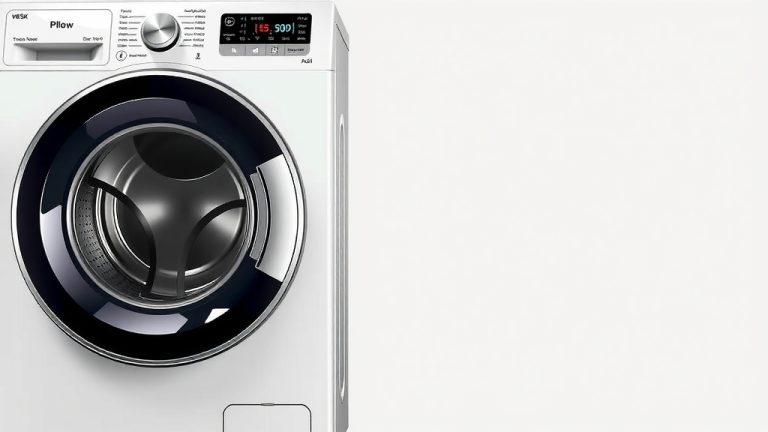
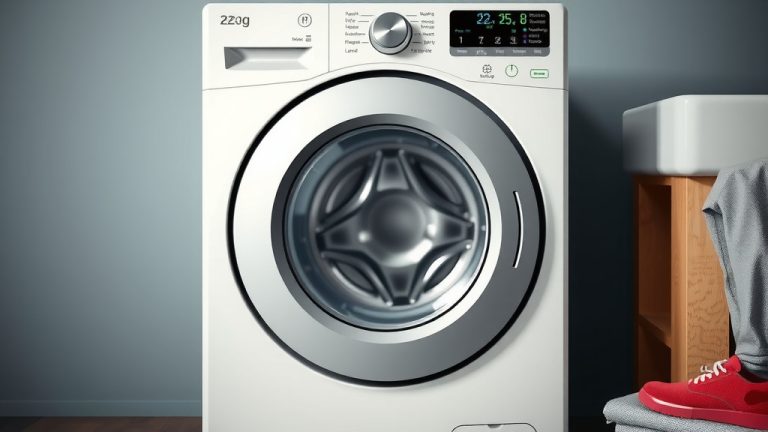
Front-loaders have become very popular, and for good reason. They tumble clothes through a small amount of water and detergent. This gentle tumbling action is much kinder to your fabrics, reducing wear and tear.
We found that front-loaders are generally more energy-efficient. They use less water and less electricity to heat that water. They also tend to spin clothes at higher speeds, extracting more water. This means your dryer works less, saving you even more energy.
Key Washer Features to Look For
- Capacity: Do you need a large tub for family-sized loads or a smaller one for a studio apartment?
- Wash Cycles: Think about the types of clothes you wash. Do you need specialized cycles for delicates, sportswear, or sanitizing?
- Steam Options: Many modern washers offer steam cycles. These can help remove tough stains and allergens, and also reduce wrinkles.
- Smart Technology: Some washers connect to your smartphone. You can get cycle notifications or even start a load remotely.
- Noise Level: If your laundry area is near living spaces, a quieter machine can be a big plus.
What to Know About Dryer Types and Technologies
Just like washers, dryers have different technologies that affect how they work and how efficient they are. The right dryer can make a big difference in your laundry routine.
Electric vs. Gas Dryers
The biggest difference here is the power source. Electric dryers plug into a standard outlet and use heating elements. Gas dryers require a gas line connection and use a gas burner.
We found that gas dryers tend to heat up faster and can be more cost-effective to run if you have natural gas available. Electric dryers are simpler to install as they don’t need a gas line. Your choice often depends on what hookups you have available in your home and local utility costs.
Condenser Dryers and Heat Pump Dryers
These are newer technologies, often found in front-loading machines, that are very energy-efficient. They work a bit differently than traditional vented dryers.
- Condenser Dryers: These collect the moisture from your clothes into a removable tank or drain hose. They don’t need to be vented outside, making them great for apartments or tricky installation spots.
- Heat Pump Dryers: These are the most energy-efficient option. They recycle heat from the air inside the drum. While they can be more expensive upfront, they save a lot on energy bills over time.
Essential Dryer Features
- Capacity: Match your dryer’s capacity to your washer’s. You don’t want clothes crammed in.
- Sensor Dry: This feature detects when clothes are dry, preventing over-drying. This saves energy and is gentler on fabrics.
- Wrinkle Reduction: Some dryers have steam cycles or tumbling options to help reduce wrinkles before you even fold.
- Drying Cycles: Look for cycles specific to your needs, like delicates, bulky items, or quick dry.
Making the Right Choice for Your Space and Budget
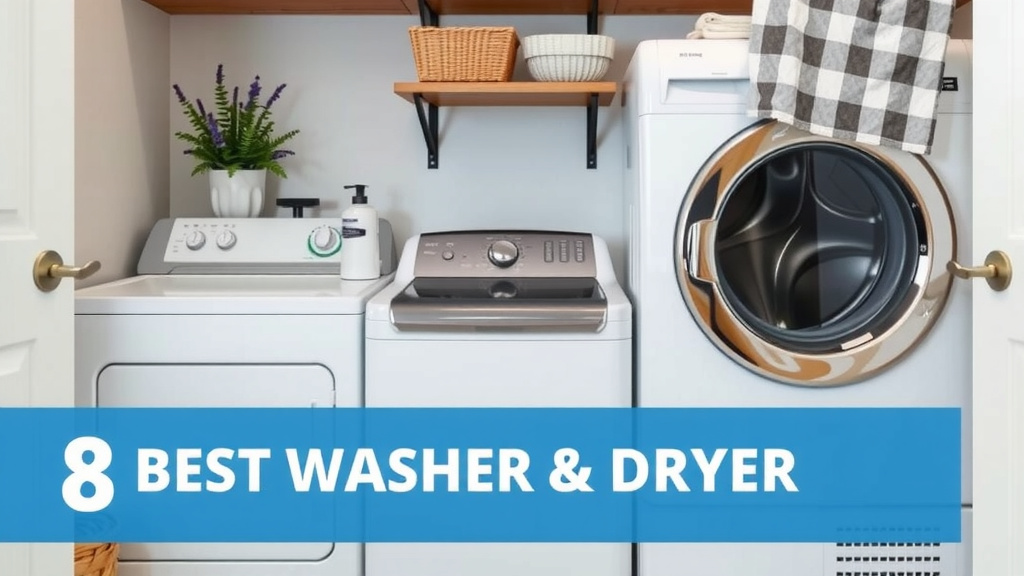
We know that space and budget are often the biggest factors. It’s important to measure carefully before you shop.
Measuring Your Laundry Area
Before you fall in love with a super-sized washer, grab a tape measure. Check the width, depth, and height of the space where your appliances will go. Don’t forget to account for door swings and clearance needed for ventilation or hose connections. A unit that looks great online might not fit through your doorway!
Budget Considerations
Washer and dryer sets can range from a few hundred dollars to several thousand. Generally, front-loaders and those with advanced features like steam or smart technology will cost more upfront.
However, consider the long-term costs. Highly energy-efficient models (especially heat pump dryers) can save you a significant amount on utility bills over the life of the appliance. Many government and utility programs offer rebates for purchasing ENERGY STAR certified appliances, which can lower the initial price tag.
Space-Saving Solutions
Living in a smaller home or apartment? Don’t worry, there are options.
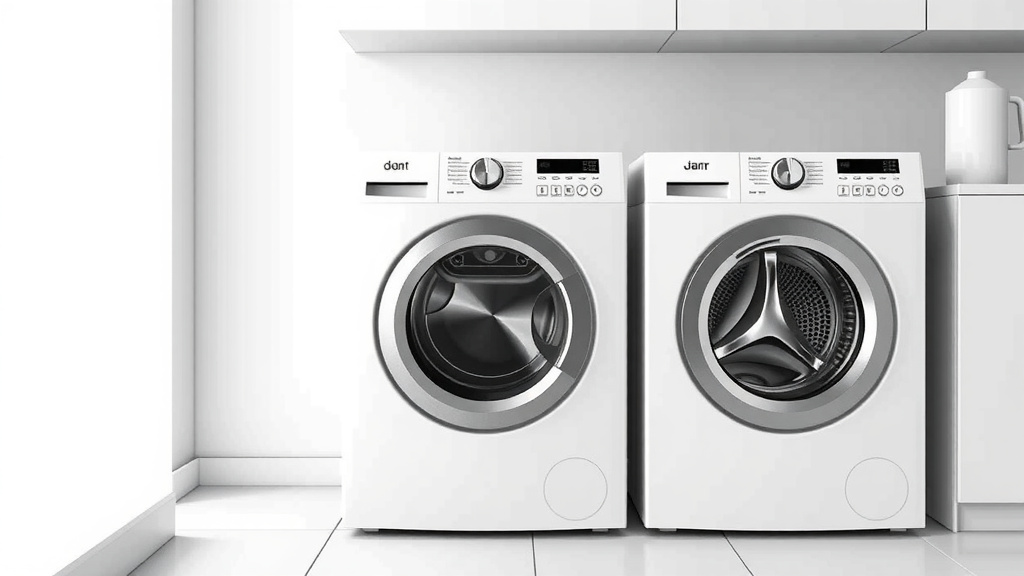
- Stackable Units: Many front-load washers and dryers are designed to be stacked. This puts your dryer above your washer, saving a huge amount of floor space.
- Compact Appliances: Smaller-capacity washers and dryers are available. These are perfect for tight spots.
- All-in-One Units: Some machines combine both washing and drying functions into a single unit. These are ideal for extremely limited spaces.
A Quick Checklist for Your Purchase Decision
Ready to make a choice? Keep these points in mind:
- Measure your space carefully.
- Determine your ideal capacity.
- Decide between top-load and front-load.
- Consider energy efficiency for long-term savings.
- Prioritize the features that matter most to you.
- Set a realistic budget.
Conclusion
Finding your perfect washer and dryer is about matching appliances to your life. You’ve learned that the best machines balance cleaning power with efficiency and features you actually use. Consider your household size, the types of clothes you wash, and your available space. Don’t forget to think about long-term savings from energy-efficient models. Your next step is to measure your laundry area and start comparing specific models based on these needs.
Frequently Asked Questions
How do I know what washer capacity I need?
We recommend assessing your typical laundry loads. For a couple or small family, 3.5 to 4.5 cubic feet is often sufficient. Larger families of four or more might benefit from 4.5 cubic feet or greater to handle bulky items and larger loads comfortably.
Are front-load washers truly more energy-efficient?
Yes, research consistently shows front-loaders use less water than traditional top-loaders. They also spin clothes faster, removing more water, which means your dryer uses less energy to get clothes dry. This combination leads to overall energy savings.
Should I choose a gas or electric dryer?
Your choice often depends on your home’s hookups and local energy costs. Gas dryers heat up faster and can be cheaper to run if natural gas is available. Electric dryers are simpler to install, requiring only a standard outlet, making them a common choice.
What are the benefits of a steam cycle on a washer or dryer?
Steam cycles can help sanitize your laundry, remove tough stains more effectively, and reduce wrinkles. Many people find it especially useful for refreshing clothes without a full wash or for tackling allergens.
Is it worth paying more for a heat pump dryer?
While heat pump dryers have a higher upfront cost, they are the most energy-efficient option available. Over the lifespan of the appliance, the significant savings on your energy bills can often offset the initial investment.