Choosing a New Washing Machine: Key Features to Consider
Choosing a new washing machine means considering several factors to get the best fit for your home and laundry needs. You’ll want to look for energy efficiency ratings, your preferred type of machine (top-load or front-load), and its capacity. Think about the types of fabrics you wash most often, too. Some machines offer special cycles for delicates or heavy-duty items, helping them last longer and look better.
Beyond the basics, consider how much space you have and your budget. Smart features can add convenience, but they also increase the price. We found that many users appreciate machines with quiet operation and durable build quality. Don’t forget to check the warranty details; it’s a good indicator of a manufacturer’s confidence in their product and offers peace of mind.
- Check energy efficiency labels.
- Decide between top-load and front-load.
- Match capacity to your household size.
- Consider special wash cycles you might need.
- Look into noise levels and build quality.
Now that you know the key elements to consider, let’s dive into the specifics of what makes a washing machine a great choice for your laundry room.
Choosing Your Next Washing Machine: What to Consider
You’re ready for a laundry day upgrade! Picking a new washing machine can feel like a big decision. There are so many options, and you want one that lasts. We’ve researched what makes a washing machine a smart buy for your home. Let’s get you started on finding the perfect fit.
Understanding Washing Machine Types: Top-Load vs. Front-Load
The Classic Top-Load Washer
Top-load washers have been around forever. They usually have an agitator in the middle to move clothes. Many people find these machines easier to load and unload. You can also add clothes mid-cycle. Some research suggests they might be gentler on certain fabrics, especially if they don’t have a central agitator (these are often called High-Efficiency or HE top-loaders).
The Modern Front-Load Washer
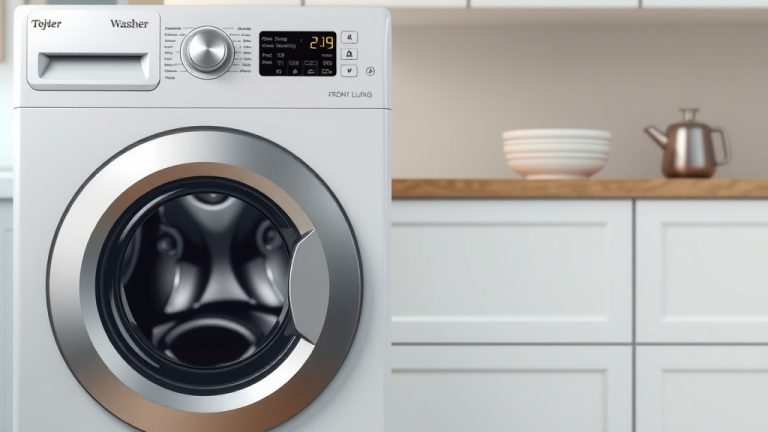
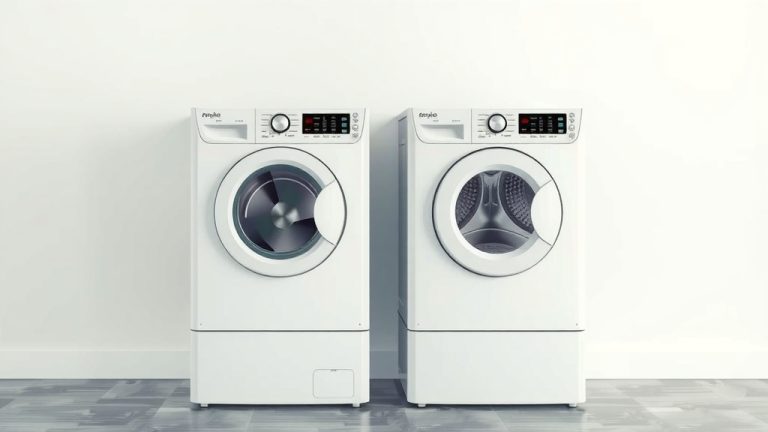
Front-load washers have a door on the front. They tumble clothes to wash them. We found that these machines generally use less water and energy. They also tend to clean clothes more thoroughly and can spin them drier. This means less time in the dryer. Many people appreciate that front-loaders are often quieter and more stable during the spin cycle.
Capacity: How Much Laundry Do You Have?
Think about your household size. A small family might be fine with a 3.5 to 4.0 cubic foot washer. Larger families or those who do fewer, bigger loads might need 4.5 cubic feet or more. We found that a larger capacity can save you time by reducing the number of loads you need to do each week.
Energy Efficiency: Saving Money and the Planet
Look for the ENERGY STAR label. This means the machine meets strict standards for energy efficiency. ENERGY STAR certified washers use about 30% less energy and less water than regular models. This can lead to noticeable savings on your utility bills over the life of the machine. Many guidelines point to this as a key factor for long-term value (U.S. Department of Energy).
Key Features That Make a Difference
Wash Cycles and Settings You’ll Actually Use
Most washers come with standard cycles like Normal, Heavy Duty, and Delicates. Think about the specific items you wash most often. Do you have lots of athletic wear? Look for a “Sportswear” or “Activewear” cycle. Do you need to sanitize baby clothes or bedding? A “Sanitize” or “Allergen” cycle could be a good choice. Many experts recommend checking for a “Quick Wash” cycle for those times when you’re in a hurry.
Noise Level: Peaceful Laundry Days
Nobody likes a washing machine that sounds like a jet engine taking off. We found that front-load washers are typically quieter than older top-loaders. Some models even have special features to reduce vibration and noise. If your laundry room is near a living area, look for machines that specifically advertise “quiet operation” or have vibration-reduction technology.
Build Quality and Durability: Will It Last?
A washing machine is an investment. You want one that will hold up. Look for models with stainless steel drums, as they are more durable and resistant to rust and chipping than plastic drums. We found that checking reviews for mentions of long-term reliability can give you a good idea of how well a particular model holds up over time.
Smart Features: Convenience or Complication?
Some modern washers connect to Wi-Fi. You can control them from your smartphone. You might get notifications when a cycle is done. While these features can be convenient, they also often come with a higher price tag. Think about whether you’ll truly use these options. Many people find that basic, reliable models without smart features are perfectly sufficient.
Making Your Final Choice: A Quick Checklist
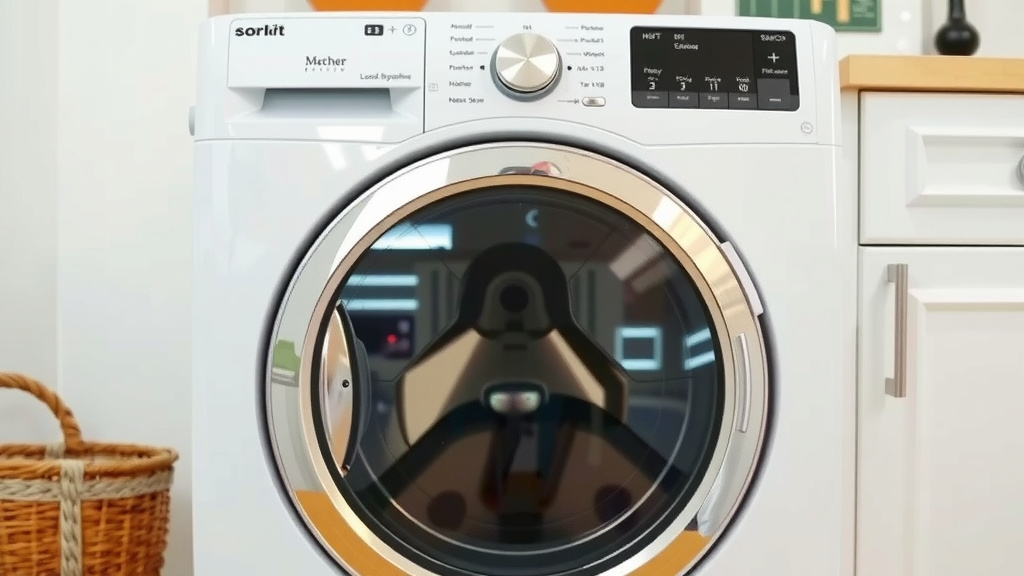
Before you buy, run through this quick list:
- Match capacity to your household size.
- Prioritize energy efficiency (ENERGY STAR).
- Consider the type of washer (top-load vs. front-load).
- Identify special cycles you need.
- Check user reviews for noise and durability.
- Compare warranty information.
Conclusion
You’re now equipped to make a smart washing machine choice. Remember to align your decision with your laundry habits and household needs. Prioritizing factors like capacity, energy efficiency, and your preferred machine type will lead to a purchase you’ll be happy with for years. Think about the specific cycles you’ll actually use and consider user feedback on noise and build quality. Take a moment to compare warranties before you buy. Your next step is to start looking at specific models that fit these criteria, keeping your budget in mind.
Frequently Asked Questions
How much does a good washing machine typically cost?
The cost of a good washing machine can range widely. Basic models might start around $500, while high-end, feature-rich machines can go upwards of $1500 or more. We found that investing a bit more upfront can often lead to better durability and energy savings over time.
Are front-load washers really more efficient than top-load?
Generally, yes. Research and user experiences often show front-load washers use less water and less energy. They also tend to spin clothes drier, which can reduce drying time and further save on energy costs.
What is a good washing machine capacity for a family of four?
For a family of four, we suggest looking for a washing machine with a capacity of at least 4.0 to 4.5 cubic feet. This size is usually sufficient to handle typical weekly laundry needs without requiring too many loads.
How important is the warranty on a washing machine?
The warranty is quite important. A longer warranty, especially on key components like the motor and drum, can indicate the manufacturer’s confidence in their product’s longevity. It also provides peace of mind against unexpected repair costs.
Should I prioritize smart features if I’m buying a new washing machine?
Smart features can add convenience, like app control or cycle notifications. However, we found they often increase the price. Consider if you’ll truly use these advanced functions before paying extra for them, as many basic machines perform just as well for everyday laundry needs.