Stack Your Washer and Dryer: A Step-by-Step Guide
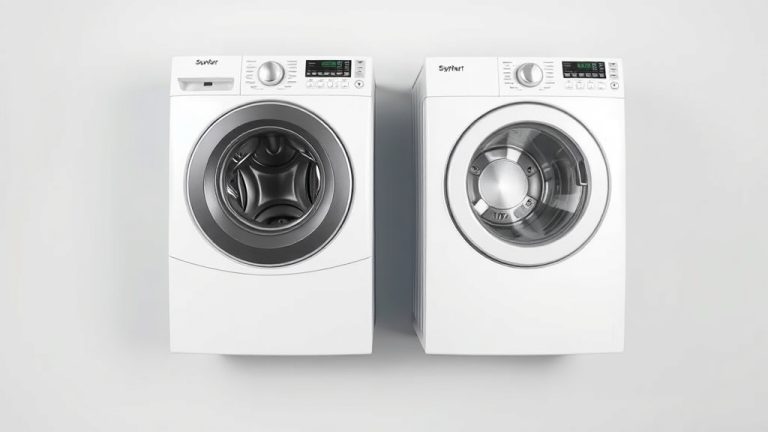
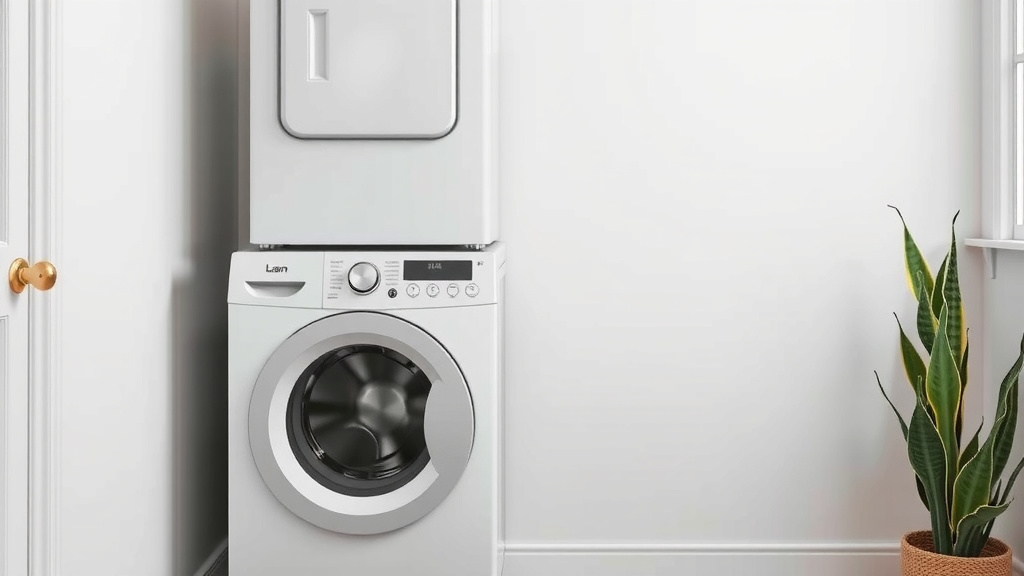
Stacking your washer and dryer is a smart space-saving solution for many homes. You can absolutely stack them, but only if you have the correct stacking kit and ensure both machines are compatible. This setup is designed for smaller laundry rooms or apartments where floor space is limited.
When you’re looking to maximize your laundry area, stacking offers a great way to double your washing and drying capacity without taking up more room. It’s important to remember that not all washer and dryer models are designed to be stacked. Using the wrong parts can lead to instability and potential damage.
- Always check if your washer and dryer are designed for stacking.
- You’ll need a specific stacking kit.
- Ensure the machines are level and secure.
- Proper installation prevents movement and noise.
- Consider the weight and dimensions of your appliances.
Let’s walk through exactly how to stack your washer and dryer safely and effectively, step by step.
Setting Up Your Stacked Washer & Dryer Safely
You’re likely wondering if you can actually stack your washer and dryer. The short answer is yes, but with important caveats. You need the right equipment and the right kind of machines. This isn’t a DIY project where you just balance one on top of the other. Safety and stability are key. We’re here to guide you through it.
Stacking uses vertical space. This is ideal for smaller homes or apartments. It frees up precious floor space. You can then use that area for storage or simply have a less cluttered laundry room. Let’s make sure you do it the correct way.
Determining If Your Appliances Are Stackable
This is the most critical first step. Not all washers and dryers are designed to be stacked. Front-loading machines are generally stackable. Top-loading washers and dryers usually are not. You’ll need to check your appliance manuals. They will clearly state if stacking is supported. If you can’t find the manual, look for the model number online. Manufacturers provide this information on their websites. It’s better to be certain now than deal with a disaster later.
Front-Loaders vs. Top-Loaders
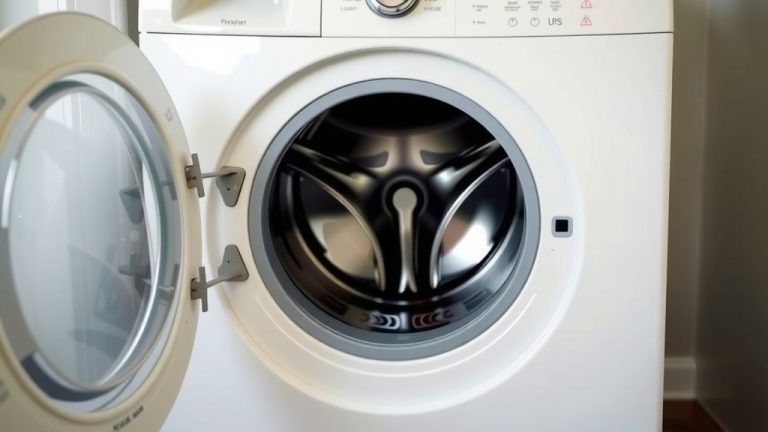
Front-load washers have doors on the front. Their tops are typically flat and sturdy. This makes them ideal platforms for a dryer. Top-load washers have doors on the top. They also have agitators or impellers inside. This design makes their tops uneven and less stable. Placing a heavy dryer on top of a top-loader is highly discouraged and unsafe.
Checking the Manufacturer’s Specifications
Always refer to your appliance’s user manual. It’s the definitive source of information. You can also find this on the manufacturer’s website. Look for terms like “stackable” or “stacking kit compatibility.” If the manual doesn’t mention it, assume it’s not stackable. Trying to stack non-stackable units is a recipe for disaster.
The Essential Stacking Kit: Your Lifesaver
You absolutely cannot stack a washer and dryer without a proper stacking kit. This kit is not just a few brackets. It’s engineered to connect the two units securely. It ensures they move as one stable appliance. These kits are designed by the appliance manufacturers. They are made to fit specific models. Using a universal or generic kit is risky. It might not provide the necessary support or fitment. Research and purchase the kit recommended for your specific washer and dryer models.
Why a Stacking Kit is Non-Negotiable
Think of the vibrations during a spin cycle. They can be intense! A stacking kit acts as a strong anchor. It prevents the top appliance from shifting or falling. This protects your machines from damage. More importantly, it protects you and your home from injury or accidents. This is a safety feature, not an optional accessory.
Finding the Right Stacking Kit
Check with the manufacturer of your dryer. They usually sell the compatible stacking kit. You can also find them at major appliance retailers. Make sure the kit’s model number matches your dryer and washer. Some kits are specific to a brand, while others might work across brands if the dimensions are right. Double-check compatibility before buying.
Preparing Your Laundry Area for Stacking
Before you even think about lifting, prepare the space. You need adequate clearance. Ensure there’s enough room around the stacked units. You’ll need access to the back for water and electrical connections. Also, make sure your floor is strong and level. A wobbly floor will only make your stacked units unstable. Check for any obstructions that might prevent proper placement.
Ensuring a Level and Stable Surface
A level surface is crucial. If your floor isn’t perfectly level, you might need to use shims. These small wedges can help adjust the appliance’s feet. Make sure the floor can support the combined weight of both appliances. Your washer and dryer are heavy machines. They get even heavier when full of wet clothes.
Clearing Space and Checking Connections
You’ll need space to maneuver the appliances. Also, ensure your water hoses and drainpipe are accessible. The electrical outlets should be within reach. Sometimes, stacking can make it harder to reach the back panels. Plan for this when positioning the units. Make sure you have enough room to operate the dryer’s lint filter easily.
The Step-by-Step Stacking Process
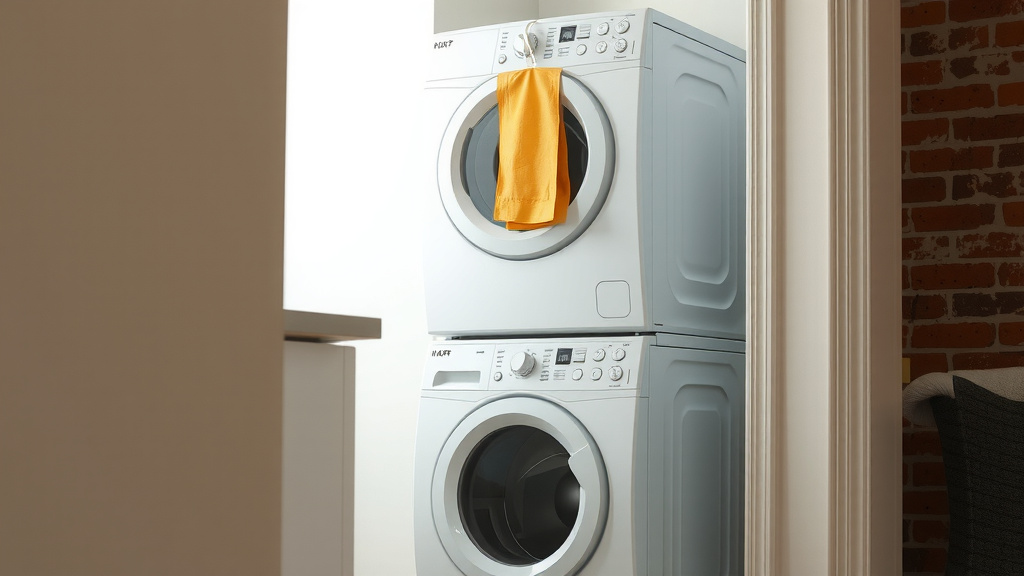
Now for the main event. This part is best done with a helper. These machines are heavy and bulky. We don’t want anyone getting hurt. Follow these steps carefully to ensure a secure stack.
Step 1: Position the Washer
Place the washer in its final position first. Make sure it’s level. Adjust its feet as needed. We found that using a small level on top of the machine helps. Ensure it’s snug against the wall or in its alcove. This provides a stable base for the dryer.
Step 2: Attach the Stacking Kit to the Dryer
Most stacking kits attach to the back of the dryer. Consult your kit’s instructions. There might be brackets or straps to secure. This step prevents the dryer from sliding backward. It’s a critical safety measure. Do not skip this part or rush it.
Step 3: Carefully Lift and Place the Dryer
This is where your helper comes in. Lift the dryer carefully. Align it over the washer. Lower it gently onto the washer’s top. The stacking kit’s connectors should engage. Some kits have locking mechanisms. Others simply rest the dryer securely. Ensure it feels stable and doesn’t wobble.
Step 4: Secure the Dryer to the Washer
Follow your stacking kit’s instructions for final securing. This might involve tightening screws or engaging a latch. The goal is to make the two units act as one. Once secured, give the dryer a gentle push. It should not move independently of the washer. This is your final stability check.
Step 5: Connect Hoses and Power
Reconnect the water hoses and drain hose to the washer. Plug in both the washer and dryer. Run a short test cycle on the washer. Listen for any unusual noises. Check for leaks. Then, run a short cycle on the dryer. Ensure everything is working correctly and safely.
Checklist for Safe Stacking
- Confirm both appliances are stackable.
- Purchase the correct, manufacturer-approved stacking kit.
- Ensure your floor is level and strong.
- Have at least one helper for lifting.
- Follow stacking kit instructions precisely.
- Test cycles thoroughly after installation.
Conclusion
You’ve learned that stacking your washer and dryer is a fantastic space-saving strategy, but it requires careful planning and the right components. We’ve covered how to confirm your machines are stackable, the absolute necessity of a manufacturer-approved stacking kit, and how to prepare your laundry area. Following the step-by-step process, especially with a helper, ensures a secure and stable setup. Now that you have this knowledge, you’re ready to tackle your laundry room transformation. Take the next step by checking your appliance manuals and ordering the correct stacking kit today!
Frequently Asked Questions
Can I stack any washer and dryer?
No, you cannot stack just any washer and dryer. Only front-loading washers and dryers designed for stacking are safe to stack. Always check your appliance manuals or the manufacturer’s website to confirm compatibility before attempting to stack.
What happens if I don’t use a stacking kit?
Skipping the stacking kit is extremely dangerous. Without it, the top appliance (usually the dryer) can easily shift, vibrate loose, or even fall. This poses a serious risk of damage to your appliances, your home, and most importantly, injury to yourself or others.
Where do I find the correct stacking kit for my machines?
The best place to find the correct stacking kit is directly from your dryer’s manufacturer. They are typically sold at major appliance retailers as well. Ensure the kit’s model number is compatible with your specific washer and dryer models before purchasing.
Is it safe to stack a top-loading washer with a dryer?
It is strongly advised against stacking a top-loading washer with a dryer. Top-loaders have uneven tops and are not designed to support the weight and vibrations of a dryer. This setup is inherently unstable and unsafe.
How much space do I need around stacked units?
You’ll need adequate space for air circulation and access to connections. Ensure there’s enough room behind the units for water hoses and electrical cords. Also, make sure you have easy access to the dryer’s lint trap for regular cleaning.