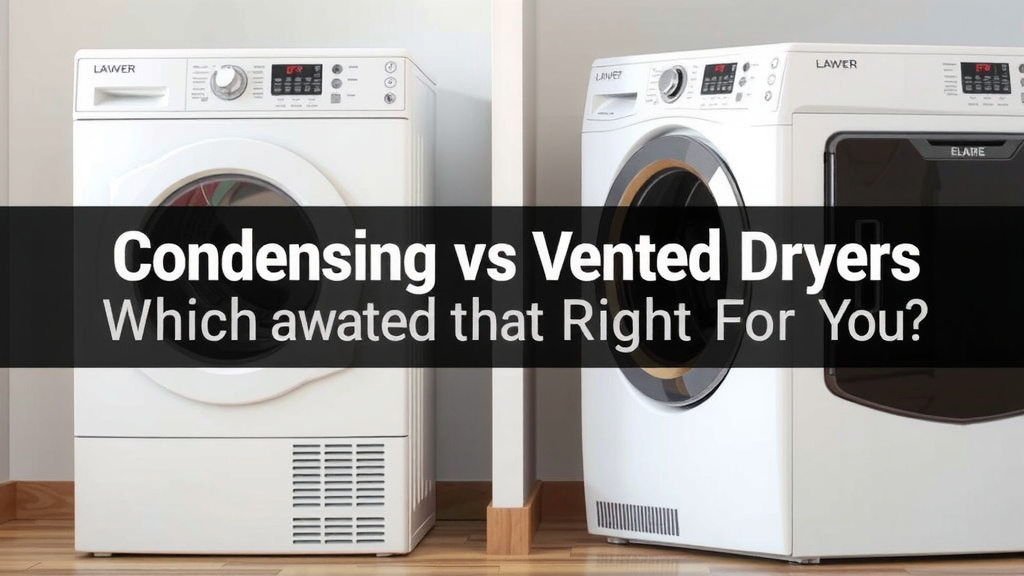
Condensing vs Vented Dryers: Which Is Right for You
When choosing between a condensing dryer and a vented dryer, condensing models are generally the more flexible option for installation. Vented dryers require an external vent to expel moist air, which can be tricky depending on your home’s layout. Condensing dryers, on the other hand, capture moisture internally, making them ideal for apartments or places without easy vent access.
We found that while both dryer types get the job done, the decision often boils down to your living situation and installation convenience. Vented dryers are typically more budget-friendly upfront and can sometimes dry clothes a bit faster. Condensing dryers offer superior versatility but may have a slightly higher initial cost and require more frequent cleaning of their condenser unit.
- Vented dryers need an outside vent.
- Condensing dryers capture moisture inside.
- Condensing dryers offer more installation flexibility.
- Vented dryers can be cheaper upfront.
- Condensing dryers may cost more initially.
Let’s break down the key differences between condensing and vented dryers to help you make the best choice for your laundry room.
Vent vs. Condense: Choosing Your Next Clothes Dryer
Deciding between a condensing dryer and a vented dryer can feel like a big choice. Both aim to get your clothes dry, but they go about it in fundamentally different ways. Your decision will likely hinge on your home’s setup and how much installation flexibility you need. We’ve looked at how each type works to help you see which fits your laundry routine best.
How Vented Dryers Work
A vented dryer is perhaps the more traditional type you might be familiar with. It works by heating air and then blowing it through your clothes. As the air absorbs moisture from the wet fabric, it becomes humid. This humid air is then pushed out of your home through a vent hose that must be connected to an outside opening. Think of it like a giant hairdryer blowing warm, damp air outside your window.
The Essential Need for Ventilation
This brings us to the biggest requirement for a vented dryer: it absolutely needs an external vent. You can’t just run the hose out your window willy-nilly; it needs to be a proper, installed vent. This means you’ll need a wall or window that the hose can safely connect to, allowing the moist air to escape your living space.
Installation Hurdles for Vented Dryers
Because of this venting requirement, installing a vented dryer can be a bit tricky. If your laundry room isn’t already set up with an existing vent, you might need to hire a professional to install one. This can add to the overall cost and complexity of setting up your new dryer. It’s a factor many homeowners discover after they’ve already bought the appliance.
Performance and Efficiency of Vented Models
Many people find that vented dryers get clothes dry quite efficiently. Because they expel moist air directly outside, they don’t recirculate humid air back into the drum. This can sometimes lead to faster drying times compared to other types. However, this efficiency comes at the cost of energy. The process of heating air and constantly expelling it means they can use more electricity or gas over time.
How Condensing Dryers Work
Condensing dryers take a different approach to drying clothes. Instead of expelling moist air outdoors, they capture the water within the machine itself. When the hot, moist air leaves the drum, it passes over a cooler surface. This causes the water vapor to condense into liquid water. This water is then collected in a removable tank, which you’ll need to empty periodically, or it can be plumbed to drain away.
The Advantage of No External Vent
The main selling point of a condensing dryer is its installation flexibility. Since it doesn’t need to vent outside, you can place it almost anywhere. This makes them an excellent choice for apartments, condos, or houses where running an external vent is difficult or impossible. You can have a dryer in a closet, a basement corner, or even a kitchen, as long as you have a power outlet and space for the unit.
Dealing with the Water Collection
The trade-off for this flexibility is managing the collected water. Most models come with a removable water tank. You’ll need to remember to empty this tank after each cycle or every couple of cycles, depending on your load size. Some people find this an extra chore, while others don’t mind it. For those who want to avoid manual emptying, many condensing dryers can be plumbed to a drain line, much like a washing machine.
Drying Performance and Energy Use
In terms of drying performance, condensing dryers are generally very effective. They might take a little longer than some vented models because the air inside the drum can become slightly more humid as it’s recirculated. We found that the drying times are still reasonable for most everyday laundry needs. Energy efficiency can vary. While they don’t lose heat by venting it outside, the condensation process itself can use energy. Many newer models are quite energy-efficient, so it’s worth checking the Energy Star ratings.
Key Differences at a Glance
Let’s boil down the main distinctions to make it easier to compare. Think of it like choosing between a powerful but location-bound fan and a more portable, adaptable one.
| Feature | Vented Dryer | Condensing Dryer |
|---|---|---|
| Installation | Requires external vent; can be complex. | No external vent needed; highly flexible. |
| Moisture Removal | Expels moist air outside. | Collects water in a tank or drain. |
| Typical Cost (Upfront) | Often lower initial purchase price. | Generally higher initial purchase price. |
| Energy Use | Can use more energy; less heat loss. | Varies; condensation process uses energy. |
| Maintenance | Clean lint filter regularly. | Empty water tank and clean condenser unit. |
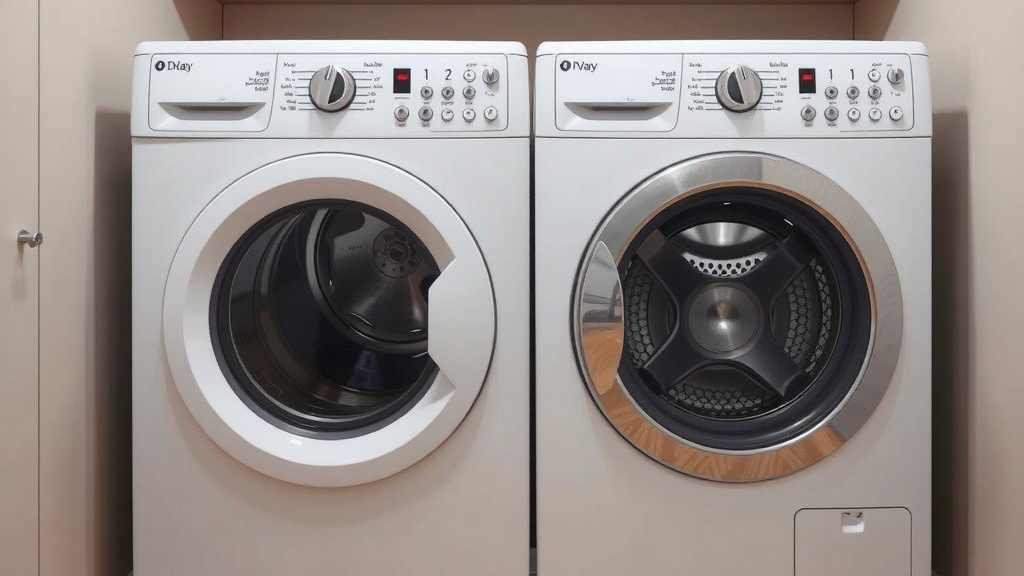
Considering Your Living Situation
Your home layout is a major factor in this decision. If you live in an apartment or a condo, a vented dryer might not even be an option. Many apartment buildings don’t allow external venting. In such cases, a condensing dryer is your go-to solution. You get the convenience of drying your clothes without needing specialized installation.
For homeowners, it’s about what’s practical. Do you have an ideal spot for a dryer that’s already vented? If so, a vented model could be a straightforward choice. If your laundry area is in a basement, garage, or a spot far from an exterior wall, the flexibility of a condensing dryer really shines. You avoid the cost and hassle of running new vents.
Maintenance Differences
Both types require some upkeep, but the tasks differ. For vented dryers, the most important job is regularly cleaning the lint filter. This ensures good airflow and prevents fire hazards. For condensing dryers, you have two main maintenance jobs. First, you must empty the water tank after each use or so. Second, you need to periodically clean the condenser unit itself. This unit can get clogged with lint over time, reducing the dryer’s efficiency. Many manufacturers recommend cleaning it every few months.
Making the Final Choice: A Quick Checklist
To help you decide, ask yourself these quick questions:
- Does your home have an existing vent for a dryer, or can you easily install one?
- Are you living in an apartment or a space where external venting is not allowed or practical?
- How much are you willing to spend upfront versus over the lifetime of the appliance?
- Are you comfortable with the routine task of emptying a water tank or cleaning a condenser unit?
- What are the energy efficiency ratings for the models you’re considering?
- How much space do you have, and where is the ideal location for your dryer?
Conclusion
Choosing between a condensing and vented dryer ultimately comes down to your unique living situation and priorities. If installation flexibility is key, especially in an apartment or a home without easy vent access, a condensing dryer is likely your best bet. For those with existing vent setups and a desire for potentially faster drying times, a vented dryer can be a solid choice. We found that while upfront costs and maintenance routines differ, both dryer types can effectively handle your laundry needs. Before you buy, consider your home’s layout and your comfort level with emptying a water tank or ensuring proper ventilation to make the most informed decision.
Frequently Asked Questions
Can I install a vented dryer in an apartment?
Generally, installing a vented dryer in an apartment is difficult or even prohibited. Most apartment buildings do not allow external venting for appliances. You would need to confirm with your building management if any exceptions exist, but a condensing dryer is almost always the practical choice for apartment dwellers.
Which type of dryer is more energy-efficient?
Energy efficiency can vary greatly by model, but generally, condensing dryers can be more efficient when plumbed to a drain. This is because they don’t lose as much heat by expelling air outside. However, the process of condensation uses energy itself. Always check the Energy Star ratings for specific models you are considering to compare their energy consumption.
How often do I need to empty the water tank on a condensing dryer?
You will typically need to empty the water tank on a condensing dryer after every load, or every two loads if you’re drying smaller batches. Some larger capacity models might hold water for longer. If this sounds like too much of a chore, look for models that offer a direct-to-drain option.
Are vented dryers cheaper to run?
Vented dryers can sometimes be cheaper to run upfront because their initial purchase price is often lower. In terms of ongoing operational costs, it’s a mixed bag. Vented models can use more energy because they are constantly expelling heated air. However, newer vented dryers with good efficiency ratings can still be cost-effective to operate over their lifespan.
What maintenance is involved with a condenser unit?
The main maintenance for a condenser unit involves periodically cleaning it to prevent lint buildup, which can reduce efficiency. Manufacturers often recommend cleaning the condenser unit every few months, depending on usage. This typically involves removing a panel and gently washing the condenser coils under running water, then allowing them to dry completely before reinserting.