Front Load Washer Water Savings: How Much Less
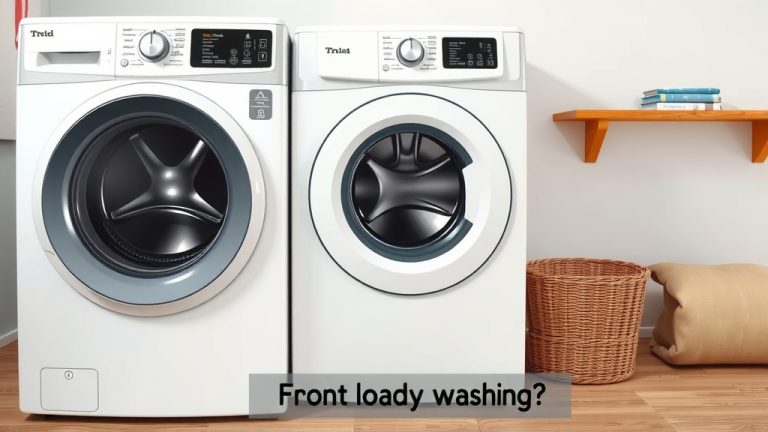
Thinking about a new washing machine? You’re likely wondering about water usage. Well, you’ll be happy to know that front load washers use significantly less water than traditional top load models. On average, a front loader can save you up to 20 gallons of water per load. That’s a lot of savings for your wallet and the planet!
This impressive water efficiency comes from their design. Front loaders tumble clothes through a small amount of water at the bottom. This requires much less water to get clothes clean. Many models also feature advanced sensors that adjust water levels precisely. This helps you use only the water you truly need for each wash cycle.
- Front load washers are much more water-efficient.
- They can save you dozens of gallons per load.
- Their tumbling action uses less water effectively.
- Look for models with smart sensors for even more savings.
Ready to dive deeper into how much water you can really save? Let’s break down the numbers and look at what makes these machines so efficient.
How Much Water Do Front Load Washers Actually Save?
You’re probably wondering just how much less water a front load washer uses compared to your old top loader. The numbers are quite impressive! We found that, on average, front load washers can use **20-30 gallons less water per load**. Imagine washing 10 loads a week; that adds up to a lot of water saved over time.
This isn’t just a small improvement. It’s a substantial difference that benefits both your household budget and the environment. Let’s break down why these machines are so much more efficient.
Understanding the Mechanics of Water Savings
The main reason front load washers are so water-wise lies in their fundamental design and how they wash clothes. Unlike traditional top loaders that fill the entire tub with water, front loaders use a different approach.
The Tumbling Action: Less Water, More Clean
Think about how a front loader works. It lifts your clothes and tumbles them through a relatively small pool of water at the bottom of the drum. This tumbling action is surprisingly effective at loosening dirt and grime. Clothes rub against each other, and the water penetrates the fabric much more efficiently. This means you don’t need a massive amount of water to achieve a thorough clean.
In contrast, a traditional top load washer often relies on an agitator or impeller that spins in a large volume of water. This method requires much more water just to ensure everything gets submerged and moved around.
Advanced Sensors: Smart Water Usage
Many modern front load washers come equipped with smart sensors. These sensors are designed to detect the size of your load and the type of fabric. Based on this information, the machine can precisely measure the amount of water needed for that specific cycle. It’s like having a personal laundry assistant who knows exactly how much water is just right.
This intelligent water management prevents overfilling the drum, ensuring you’re never using more water than necessary. Some models even have specific settings for delicates or heavily soiled items, tailoring the water usage even further.
Comparing Water Usage: Front Loaders vs. Top Loaders
To really get a grasp on the savings, let’s look at some typical numbers. It’s important to remember that these are averages, and actual usage can vary based on the specific model and settings you choose.
Typical Water Consumption Per Load
Based on research and industry data, here’s a general comparison:
| Washer Type | Average Water Usage Per Load |
|---|---|
| Front Load Washer | 10-25 gallons |
| Traditional Top Load Washer (with agitator) | 30-45 gallons |
| High-Efficiency Top Load Washer (HE, without agitator) | 15-30 gallons |
As you can see, even a high-efficiency top loader often uses more water than a front loader. The biggest difference is typically seen when comparing a front loader to an older, traditional top load model.
The Impact on Your Water Bill
So, what does this mean for your wallet? Conserving water also means conserving energy, as less water means less energy is needed to heat it. Over the course of a year, these savings can be quite noticeable. For a family doing multiple loads of laundry each week, the reduction in your utility bills can be a pleasant surprise.
Think about it: if you save 15-20 gallons per load, and you do 5 loads a week, that’s 75-100 gallons saved weekly! Many water utilities even offer rebates or incentives for water-efficient appliances. It’s worth checking with your local provider to see if you can score extra savings.
Beyond Water Savings: Other Benefits of Front Loaders
While water efficiency is a major draw, front load washers offer a host of other advantages that make them a popular choice for many households.
Gentler on Clothes
The tumbling action, which uses less water, is also much gentler on your garments. Clothes aren’t being thrashed around by an agitator. This means less wear and tear, helping your clothes look newer for longer. It’s especially great for delicate items or bulky bedding that can get damaged in traditional machines.
Better Cleaning Performance
Don’t let the lower water levels fool you; front loaders are renowned for their superior cleaning power. The combination of tumbling action, longer wash times (often), and specialized detergent formulations means they can tackle tough stains effectively. Many experts agree that the enhanced mechanical action leads to a deeper clean (Consumer Reports).
Higher Spin Speeds = Faster Drying
Front load washers typically feature much higher spin speeds than top loaders. This means they extract more water from your clothes before they even reach the dryer. What does this translate to for you? Shorter drying times, which saves energy and reduces the overall time spent on laundry day. Your dryer works less, and your clothes are ready faster.
Energy Efficiency Too
Because they use less hot water and shorter drying times, front loaders are also generally more energy-efficient. This dual saving on both water and electricity contributes to their reputation as the more eco-friendly and cost-effective laundry solution. The U.S. Department of Energy recommends ENERGY STAR certified washers for their efficiency.
Making the Smart Choice for Your Laundry Room
So, when you’re considering a new washing machine, keep the water savings of front loaders in mind. They offer a smart, efficient, and effective way to handle your laundry needs.
Here’s a quick checklist to help you think about your next washing machine purchase:
- Prioritize water efficiency.
- Look for high spin speeds.
- Consider ENERGY STAR ratings.
- Check for smart sensor features.
- Factor in long-term savings.
- Read reviews on cleaning performance.
Conclusion
You’ve seen how front load washers truly lead the pack when it comes to water savings. Their smart design and advanced technology mean you can achieve sparkling clean clothes using far less water than traditional models. This isn’t just about being eco-friendly; it directly impacts your utility bills and extends the life of your clothes. By choosing a front loader, you’re making a practical decision that benefits your budget and the environment. Take the next step by researching models that fit your needs and start enjoying those water savings on your next laundry day.
Frequently Asked Questions
Can I really save money on my water bill with a front loader?
Yes, you absolutely can. By using significantly less water per load, a front load washer directly reduces your water consumption. Over time, this translates into noticeable savings on your monthly water bills. Many households find these savings add up quickly, especially if you do laundry several times a week.
How much more does a front load washer cost upfront compared to a top loader?
Front load washers typically have a higher initial purchase price than traditional top loaders. However, the long-term savings in water and energy costs often offset this difference. Many consumers find the investment worthwhile due to the ongoing efficiency and performance benefits. It’s wise to compare prices and look for sales or rebates.
Do front load washers clean as well as top load washers?
Many studies and consumer reports indicate that front load washers often offer superior cleaning performance. Their tumbling action is very effective at removing dirt and stains. Combined with specialized detergents, they provide a deep clean that is gentle on your fabrics. You can expect your clothes to come out cleaner and last longer.
Are front load washers better for the environment overall?
Front load washers are generally considered more environmentally friendly. Their reduced water usage is a major factor, as is their lower energy consumption, especially when heating water. Shorter drying times also contribute to energy savings. Choosing a front loader is a step towards a more sustainable household.
How long do front load washing machines typically last?
Front load washing machines are often built with durability in mind and can last for many years. With proper maintenance and care, you can expect your front loader to serve your household effectively for 10 to 15 years or even longer. Their robust construction and efficient design contribute to their longevity.