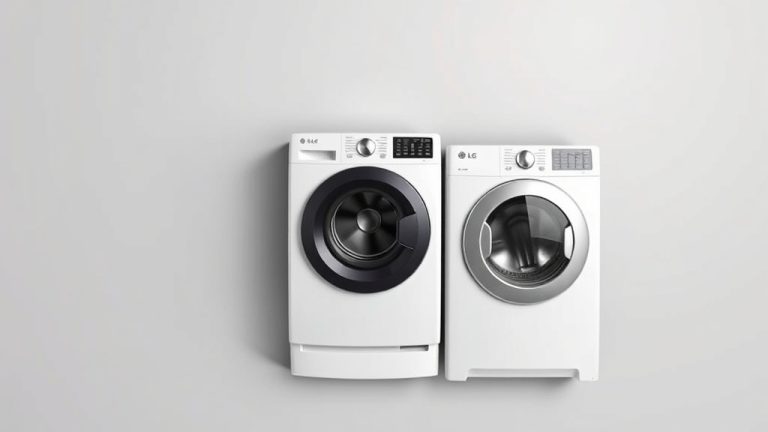
Master Your High Efficiency Washer: A 2026 Guide
Using your high efficiency washer correctly is simpler than you might think. You just need to load it properly and use the right amount of detergent. This ensures your clothes get clean while saving water and energy.
These machines are designed to use less water than older models. That’s great for your utility bills and the environment. Learning a few key steps will help you get the most out of your appliance and keep your laundry looking its best.
- Load clothes loosely.
- Use HE detergent.
- Don’t overload the drum.
- Choose the right cycle.
Let’s walk through exactly how to use your high efficiency washer step by step to get the cleanest laundry possible.
You’ve got your shiny new high efficiency (HE) washer, and you’re ready to tackle that laundry pile. But wait, is there a special way to use it? Absolutely! These machines are designed a bit differently than your old workhorse washer. They’re super smart about water and energy use, which is awesome for your wallet and the planet. Let’s make sure you’re getting the best clean possible without any guesswork.
Mastering Your High Efficiency Washer for Optimal Cleaning
Using your HE washer correctly is simpler than you might think. You just need to load it properly and use the right amount of detergent. This ensures your clothes get clean while saving water and energy.
Understanding HE Washers: What’s Different?
High efficiency washers are designed to use **significantly less water** than traditional machines. This means they don’t fill up with water like older models. Instead, they use a tumbling or spray action to clean your clothes. Because of this, using the wrong type or amount of detergent can cause problems. Too much soap creates excess suds. These suds can actually cushion clothes, preventing them from getting clean. They can also leave residue on your laundry and even damage your machine over time.
The Importance of HE Detergent
This is probably the most critical point. You absolutely must use a detergent labeled “HE”. These detergents are specially formulated to produce low suds. We found that using regular detergent in an HE machine is a common mistake that leads to poor cleaning results and potential machine issues (Consumer Reports). HE detergents have a different chemical makeup. They are designed to break down quickly. This helps them rinse away completely with the minimal water used by your HE washer. You’ll typically find a small symbol on HE detergent bottles indicating this. Always look for that symbol!
Loading Your HE Washer the Right Way
How you load your laundry makes a big difference. HE washers have a different system than top-loaders that fill with water. The goal is to allow your clothes enough room to move freely within the drum. This movement is what helps them get clean.
Don’t Overload the Drum
This is a really common mistake. When you stuff your washer too full, clothes can’t tumble properly. They might just sit in a clump. This prevents water and detergent from reaching all the fabric surfaces. It’s better to do an extra load than to have clothes come out still dirty or damp. We found that leaving about a hand’s width of space between the top of the clothes and the top of the drum is a good rule of thumb (Good Housekeeping).
Load Clothes Loosely and Evenly
Think of it like packing a suitcase. You don’t want to cram everything in. Distribute your items around the drum. Mix large and small items if you can. This helps create a balanced load. A balanced load ensures the machine spins correctly during the cycle. This prevents excessive vibration and noise. It also means your clothes will get cleaner. Avoid piling everything on one side of the drum. That can throw off the machine’s sensors.
Using the Right Amount of Detergent
Less is often more with HE washers. Because they use less water, even a small amount of detergent can be very effective. The packaging on your HE detergent will have specific guidelines. These are usually based on load size and how dirty your clothes are.
Measure Carefully
Most HE detergents come with a cap that acts as a measuring tool. Use the lines on the cap to get the right amount. Don’t just eyeball it. We found that over-sudsing is the most common problem with HE machines, and it’s almost always caused by using too much detergent (Appliance manufacturers’ guides). Even if your clothes look a little less bubbly than you’re used to, trust the process. If you see excessive suds, you’re using too much.
Adjust for Load Size and Soil Level
A lightly soiled load of just a few items will need less detergent than a large, heavily soiled load. Your HE detergent’s instructions will guide you on this. Some machines even have sensors that can detect load size and adjust water levels and wash times automatically. You’re just giving the machine a little help with the right detergent measurement.
Choosing the Correct Wash Cycle
Your HE washer likely has a variety of cycles. Knowing which one to use can optimize cleaning and fabric care. Think of these cycles as different tools for different jobs.
Standard Cycles Explained
The “Normal” or “Regular” cycle is great for everyday cottons and permanent press items. It offers a good balance of cleaning power and gentle treatment. The “Delicates” cycle is for items that need extra care, like lingerie or fine knits. It uses a slower spin and gentler agitation. The “Heavy Duty” cycle is for heavily soiled items like work clothes or towels. It uses more agitation and a longer wash time. Many experts recommend using the appropriate cycle to extend the life of your clothing (Textile experts). Always check the care tags on your garments for specific instructions.
Specialty Cycles and Options
You might also find cycles for things like “Whites,” “Colors,” “Quick Wash,” or “Bulky Items.” Use these as intended. A “Quick Wash” is perfect for freshening up lightly worn clothes, not for removing tough stains. If your machine has options like “Extra Rinse” or “Steam,” consider using them for specific needs. An extra rinse can be helpful if you tend to use a bit too much detergent or if someone in your household has sensitive skin. Research on detergents shows that thorough rinsing is key to removing allergens (National Asthma Council Australia).
A Quick Checklist for HE Washer Success
Ready to put it all into practice? Here’s a simple checklist to keep handy:
- Always use HE-specific detergent.
- Load the drum loosely, leaving space at the top.
- Never overload the machine.
- Measure your detergent carefully.
- Choose the wash cycle that matches your load.
- Check garment care labels for special instructions.
Conclusion
You’ve learned the essentials for using your high efficiency washer effectively. Remember, using HE detergent and loading your machine properly are key. These simple steps ensure your clothes get a thorough clean while your machine runs efficiently. You’re now equipped to get the best results from your HE washer. Start your next load with confidence, knowing you’re caring for your clothes and saving resources.
Frequently Asked Questions
Why do HE washers use less water?
HE washers are designed to be more eco-friendly and cost-effective. They use advanced technology, like tumbling and spray rinses, to clean clothes with much less water than older models. This conserves water and reduces your utility bills.
Can I use fabric softener in my HE washer?
Yes, you can, but use it sparingly and in the designated dispenser. Too much fabric softener can build up over time and interfere with the machine’s sensors or leave residue on clothes. Always check your washer’s manual for specific recommendations.
How do I know if I’m using too much HE detergent?
The biggest sign of too much detergent is excessive suds. If you see a large amount of foam spilling out or clothes feel slimy after rinsing, you’re likely using too much. HE machines are designed for low sudsing action.
What happens if I use regular detergent in an HE washer?
Using regular detergent in an HE washer can cause problems. It creates too many suds, which can prevent clothes from getting clean and lead to residue buildup. Over time, this can even damage your washer and void its warranty.
My clothes sometimes smell musty after washing in my HE machine. What could be the cause?
A musty smell can sometimes indicate a buildup of residue or mold within the machine, often exacerbated by low-water washes. Regularly cleaning your HE washer according to the manufacturer’s instructions, leaving the door ajar after use, and ensuring you’re using the correct HE detergent can help prevent this.