Front Load vs Top Load Washers: Which Is Better
When choosing between a front-load and a top-load washer, neither is universally “better.” Front-loaders generally offer superior cleaning and water efficiency. Top-loaders, especially traditional agitator models, are often faster and more budget-friendly upfront. Your best choice depends on your laundry needs and priorities.
Many people wonder which type is best for their home. We’ve found that while both get clothes clean, their performance and features differ quite a bit. Consider how much laundry you do and what’s most important: saving water or saving time on wash day.
- Front-loaders clean better and use less water.
- Top-loaders (especially agitator models) are faster and cheaper initially.
- High-efficiency (HE) top-loaders offer a middle ground.
- Consider your budget, laundry volume, and space.
Let’s break down the key differences to help you decide which machine will make your laundry routine the happiest. We’ll look at cleaning power, cost, and convenience.
Deciding Between Front-Load and Top-Load Washers
Choosing the right washing machine is a big decision for your household. You want something that cleans your clothes well without breaking the bank. You also want it to fit your lifestyle. We’ve looked into the details to help you compare front-load and top-load washers. They both get clothes clean, but their performance and features really do differ.
How They Clean Your Clothes
The way a washer tumbles your clothes is key to cleaning. This is where front-loaders and top-loaders take very different paths. Understanding these paths helps you see which might be better for your needs.
Front-Load Washers: The Tumbling Action
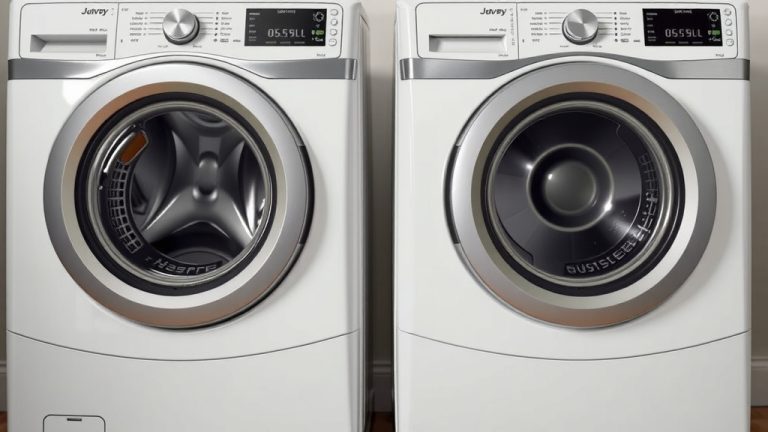
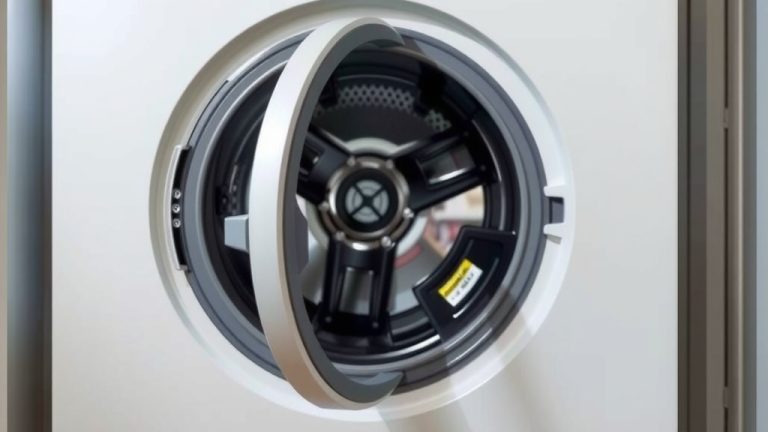
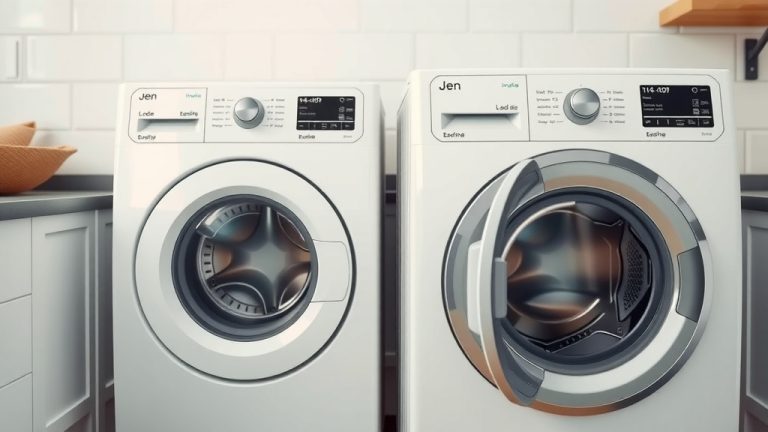
Front-load washers use a horizontal drum. Clothes are lifted and tumbled into the water. Think of it like a gentle massage for your fabrics. This action is very effective at removing dirt and stains. It also means less stress on your clothes over time.
Because they tumble, front-loaders typically use less water. The drum only needs to be partially filled. This is good for your water bill and the environment. Many studies show they are more water-efficient than top-loaders (Consumer Reports).
Top-Load Washers: Different Approaches
Top-load washers have a vertical drum. There are two main types: agitator and impeller. Each cleans a little differently.
Agitator Top-Loaders
These are the traditional machines you might remember. They have a central post, the agitator, that twists and turns. This post rubs against the clothes to help scrub them clean. While effective, this action can be tough on fabrics. It can also cause tangling.
Impeller Top-Loaders (HE Top-Loaders)
These are a newer style of top-loader. Instead of a central agitator, they use a low-profile disc or cone at the bottom. This impeller spins and creates currents that move clothes around in less water. This is a gentler and more efficient way to wash.
Many experts consider HE top-loaders a good middle ground. They offer better water efficiency than agitator models. They are also generally gentler on clothes.
Performance Comparison: Cleaning Power and Fabric Care
When it comes to getting clothes spotless, front-loaders often come out on top. Their tumbling action is simply more effective at lifting dirt. Research from various consumer testing organizations consistently rates front-loaders higher for cleaning performance.
However, fabric care is another story. The vigorous action of agitator top-loaders can lead to wear and tear on your clothes. They can cause stretching or snagging. Impeller top-loaders and front-loaders are generally much gentler. They help your clothes look newer for longer.
Efficiency and Water Usage
Water usage is a significant difference. Front-loaders are champions here. They use dramatically less water per load compared to most top-loaders, especially older agitator models. The U.S. Department of Energy reports that front-loaders can save hundreds of gallons of water per year per household.
HE top-loaders are also quite efficient. They use less water than agitator models. But, they typically still use more water than a comparable front-loader. If saving water is a top priority for you, a front-loader is likely your best bet.
Cost: Upfront and Long-Term
The initial purchase price is often a deciding factor. Generally, top-load washers, especially those with agitators, tend to be less expensive upfront. You can often find a basic top-loader for a few hundred dollars less than a basic front-loader.
However, you need to look at the long-term costs too. Front-loaders use less water and less energy to heat that water. Over the lifespan of the machine, these savings can add up. They can make a front-loader more economical in the long run, despite the higher initial price.
Convenience Factors to Consider
Each type of washer offers different conveniences. Think about how you use your laundry room.
Loading and Unloading
Front-loaders have doors that open on the front. This means you have to bend down to load and unload laundry. For some people, this can be a strain on their back. You can add a pedestal to raise the machine, but that adds to the cost.
Top-loaders, with their vertical opening, are easier to load. You simply drop clothes in from the top. This is more comfortable for many users. However, once the wash cycle starts, you can’t add more clothes to a top-loader. This is possible with some front-loaders.
Cycle Times
If you’re in a hurry, a traditional agitator top-loader is often the fastest option. Their cycles can be as short as 20-30 minutes. This is great for quick washes of lightly soiled items.
Front-loaders tend to have longer cycle times. This is partly because they use less water and rely on tumbling. HE top-loaders fall somewhere in the middle. If speed is your absolute top priority, an agitator top-loader might be the winner.
Space and Stacking Capabilities
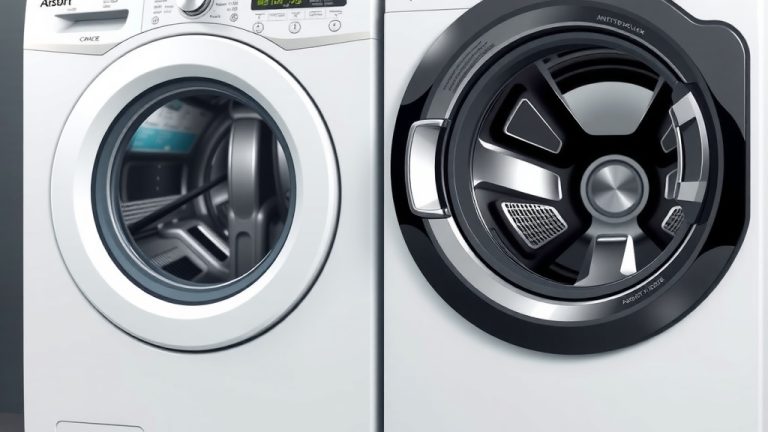
Front-load washers are designed with stacking in mind. You can place a matching dryer on top of the washer. This is a huge space-saver for smaller laundry rooms or apartments. Top-load washers cannot be stacked.
Key Differences at a Glance
Here’s a quick rundown to help you compare:
| Feature | Front-Load Washer | Top-Load Washer (Agitator) | Top-Load Washer (Impeller/HE) |
|---|---|---|---|
| Cleaning Performance | Excellent | Good | Very Good |
| Fabric Care | Gentle | Harsh | Gentle to Moderate |
| Water Efficiency | Highest | Lowest | Moderate to High |
| Energy Efficiency | Highest | Lowest | Moderate to High |
| Upfront Cost | Higher | Lower | Moderate |
| Cycle Time | Longer | Shorter | Moderate |
| Stackable | Yes | No | No |
Which Washer Is Right For You? A Quick Checklist
Ask yourself these questions to guide your choice:
- How important is superior cleaning for tough stains?
- Do you have a large family with lots of laundry?
- Is water efficiency a major concern for your budget or the environment?
- Do you need to save space and prefer a stackable unit?
- What is your upfront budget for a new washer?
- How much do you prioritize gentle fabric care?
Conclusion
You’ve now seen how front-load and top-load washers stack up. Front-loaders excel at cleaning performance and water savings. They are often a better choice for tough stains and eco-conscious households. Top-loaders, especially HE models, offer a great balance of speed and efficiency. They also tend to be easier on your back and your wallet upfront. Consider your laundry habits, budget, and space. Think about what matters most to you – a sparkling clean load, faster cycles, or saving water. Make the choice that best fits your life and your laundry room.
Frequently Asked Questions
Can I add clothes to a front-load washer mid-cycle?
Many front-load washers allow you to add forgotten items after the cycle has started. You’ll typically need to pause the machine, wait for the door to unlock, and then quickly add the item. Check your specific model’s manual for details and safety instructions.
Are top-load washers better for people with back problems?
Yes, top-load washers are often considered more comfortable for people with back or knee issues. Their design means you don’t have to bend down as much to load and unload laundry, making the process less strenuous.
Which type of washer is more energy-efficient?
Front-load washers are generally more energy-efficient. They use less water, which means the machine uses less energy to heat that water. They also tend to have higher spin speeds, extracting more water from clothes and potentially reducing dryer time.
How do HE top-load washers differ from traditional agitator models?
HE top-load washers use an impeller at the bottom of the drum to move clothes through less water. Traditional agitator models have a central post that twists and turns, which can be harsher on fabrics and use more water.
Are front-load washers more expensive to maintain?
The initial cost of front-load washers is usually higher. Maintenance costs can vary, but some front-loaders may require occasional cleaning of the door seal to prevent mold and mildew. Both types require regular cleaning of filters and dispensers for optimal performance.