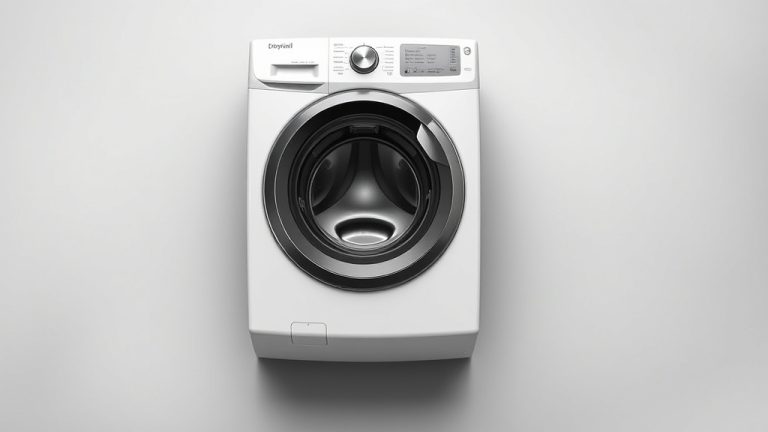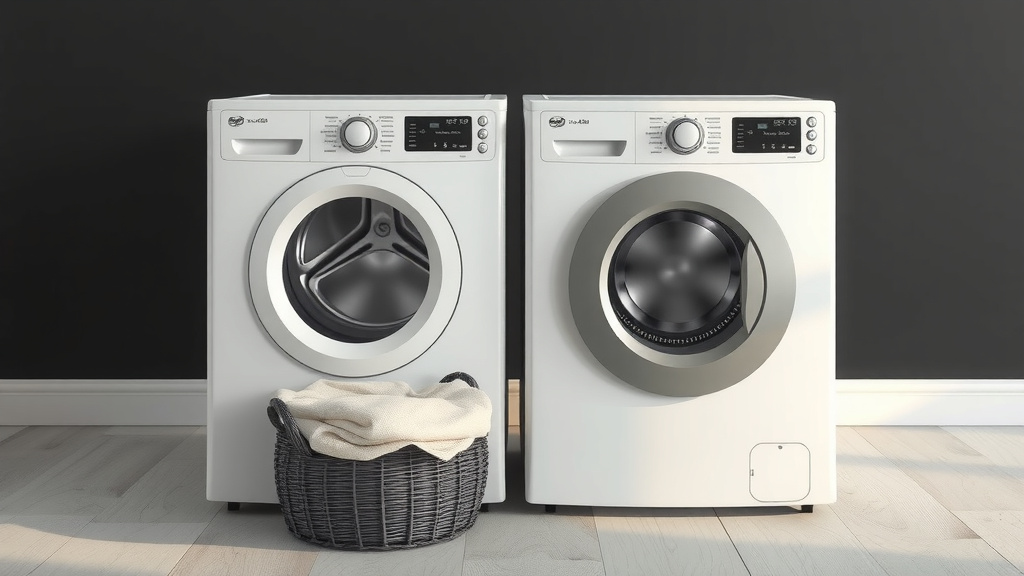
Discover the Smallest Washer and Dryer Models
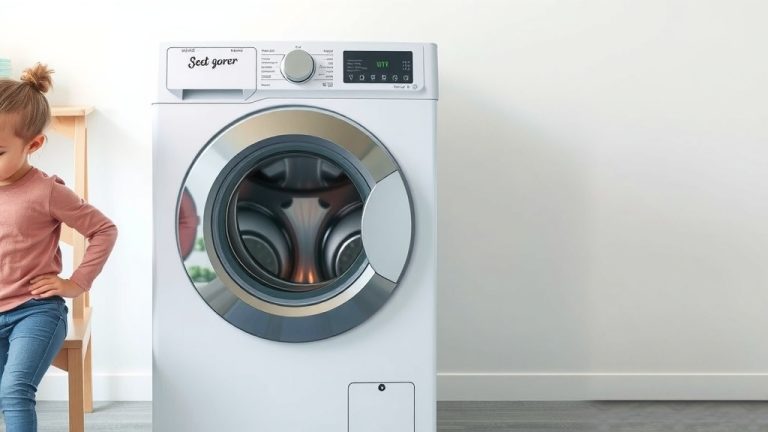
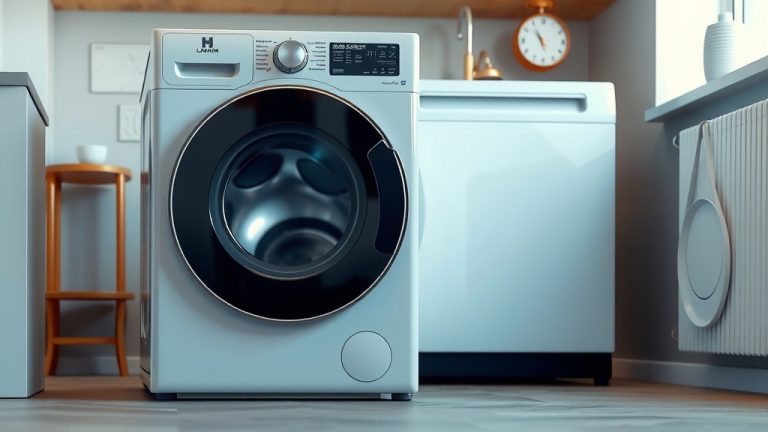
When searching for the smallest washer and dryer, you’re likely looking for a compact solution for a small living space. The smallest combination units typically measure around 24 inches wide and can be as shallow as 20 inches. These are often referred to as stackable or all-in-one units, designed to fit where traditional appliances can’t.
Finding the right small appliance can feel like a treasure hunt, especially when space is tight. We understand the challenge of balancing functionality with limited square footage. Many people are surprised by how much cleaning power can fit into a small footprint, and these units are no exception, offering a convenient way to do laundry without taking over your home.
- The smallest washer and dryer combos are usually about 24 inches wide.
- Look for all-in-one or stackable units for maximum space savings.
- Compact units offer convenience for apartments or tiny homes.
- Consider your specific needs for capacity and features.
Let’s dive into what to look for when choosing the smallest washer and dryer to fit your needs and your space.
Finding the Tiniest Washers and Dryers for Your Space
When space is your biggest challenge, finding the right washing machine and dryer combo can feel like a puzzle. You’re likely searching for the absolute smallest unit available. The smallest washer and dryer sets are generally around 24 inches wide. This width is pretty standard for compact laundry appliances. They are designed to fit into tight spots where regular-sized machines simply won’t go.
What Defines “Smallest” in Washer-Dryer Units?
When we talk about the smallest washer and dryer, we’re focusing on units that take up the least amount of physical space. This usually means looking at both width and depth. The most compact models often measure 24 inches wide. Some can be even shallower, around 20 inches deep. This makes them perfect for small apartments, RVs, or even large closets.
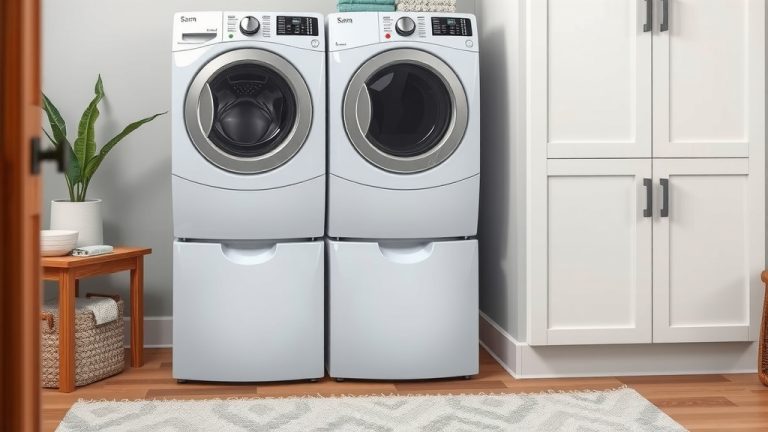
These appliances often come in two main types: stackable units and all-in-one combos. Stackable units allow you to place the dryer on top of the washer. This vertical design saves a lot of floor space. All-in-one units combine both washing and drying functions into a single machine. This means you load laundry once, and it comes out dry.
Understanding Compact vs. Standard Appliance Sizes
Let’s get a clear picture of what “compact” means compared to standard laundry appliances. A typical full-sized washer might be 27-30 inches wide. A standard dryer is often in the same size range. When you opt for a compact unit, you’re cutting down that width by several inches. This can make a huge difference in a small kitchen, bathroom, or laundry nook.
The depth is also important. While a standard dryer might be 30-34 inches deep, compact models can be as little as 20-24 inches deep. This allows them to fit into narrower spaces or be placed under counters. You’re getting a significant reduction in overall footprint without sacrificing too much capacity. It’s a clever way to get laundry done at home.
Key Features of Ultra-Compact Laundry Appliances
Even though they are small, these machines pack a punch. You can still find units with multiple wash cycles and drying options. Think about delicate settings for your special items or heavy-duty cycles for tougher loads. Many small units offer energy-efficient options too. This can help you save on your utility bills. Always check the Energy Star ratings if that’s a priority for you.
Capacity: What Can These Little Guys Hold?
This is where you need to be realistic. The smallest washer and dryer units are designed for individuals or couples. They typically have a capacity of around 1.5 to 2.0 cubic feet. This is suitable for smaller loads of laundry, like a few outfits or a set of sheets. If you have a large family or do very large loads, you might need to do laundry more frequently.
We found that most of these compact machines can handle about 8-10 pounds of dry laundry. For comparison, a standard washing machine might hold 15-20 pounds or more. So, while they are incredibly space-saving, they do come with a trade-off in load size. It’s a good idea to think about your typical laundry habits. How many loads do you do per week? This will help you decide if a compact capacity works for you.
Washer-Dryer Combos: The Ultimate Space Saver
An all-in-one washer dryer combo is a single appliance that washes and dries your clothes. You load the dirty laundry, select your settings, and it washes and then dries the clothes in the same drum. This is incredibly convenient. It eliminates the need for two separate machines. It also means no need to transfer wet clothes from the washer to the dryer.
These units are often ventless. This is a huge advantage if you can’t install a dryer vent in your home. Standard dryers require an external vent to remove moisture and heat. Ventless models use a condenser or a heat pump system to dry clothes. This makes them suitable for almost any living situation. They are often a top choice for renters.
Stackable Washer and Dryer Units: Maximizing Vertical Space
Stackable washer and dryer units consist of two separate machines, a washer and a dryer, designed to be placed one on top of the other. This setup is great if you have the width but not the floor space. You’ll need to ensure you have enough vertical clearance for the stacked units. Many manufacturers offer specific stacking kits to ensure stability and safety.
When looking at stackable pairs, you can often choose different models for the washer and dryer. This allows you to customize your setup. You might find a slightly larger capacity washer paired with a matching dryer. It’s important to check that the washer and dryer are compatible for stacking. Not all models are designed to be stacked safely.
What to Consider Before Buying the Smallest Unit
Choosing the absolute smallest washer and dryer means thinking about more than just dimensions. You’ll want to consider your household size. A single person might be perfectly happy with a small capacity. A couple might manage, but a family of four would likely struggle. Think about how often you do laundry.
Also, consider the type of laundry you do. If you frequently wash bulky items like comforters or large blankets, a compact machine might not be suitable. These smaller drums have limitations. Always check the maximum load weight or volume. Some units might also require special detergents, like High-Efficiency (HE) formulas. Make sure you understand any special requirements.
Energy and Water Efficiency Matters
Even though these units are small, they can still use a considerable amount of energy and water. Look for appliances with good Energy Star ratings. These models are designed to be more efficient. They use less electricity and water than older or non-rated appliances. This is good for your wallet and the environment.
Many compact washers use less water per load because their drums are smaller. This can be a significant saving over time. For dryers, especially ventless models, the energy consumption can vary. Heat pump dryers are generally the most energy-efficient, but they also tend to be more expensive upfront. Always compare the estimated annual operating costs if available.
Ventless vs. Vented Dryers in Compact Models
As mentioned, many compact all-in-one units are ventless. This is a major advantage for small spaces. Ventless dryers work by recirculating air and removing moisture through a condenser. This means you don’t need to cut a hole in your wall or rent an apartment. They are truly plug-and-play appliances.
However, ventless drying can sometimes take longer than vented drying. The clothes might not get as hot either. Vented compact dryers do exist, but they require a dryer vent to be installed. If you have the option for venting, a vented compact dryer might dry your clothes a bit faster. But for most people in tight spaces, ventless is the way to go.
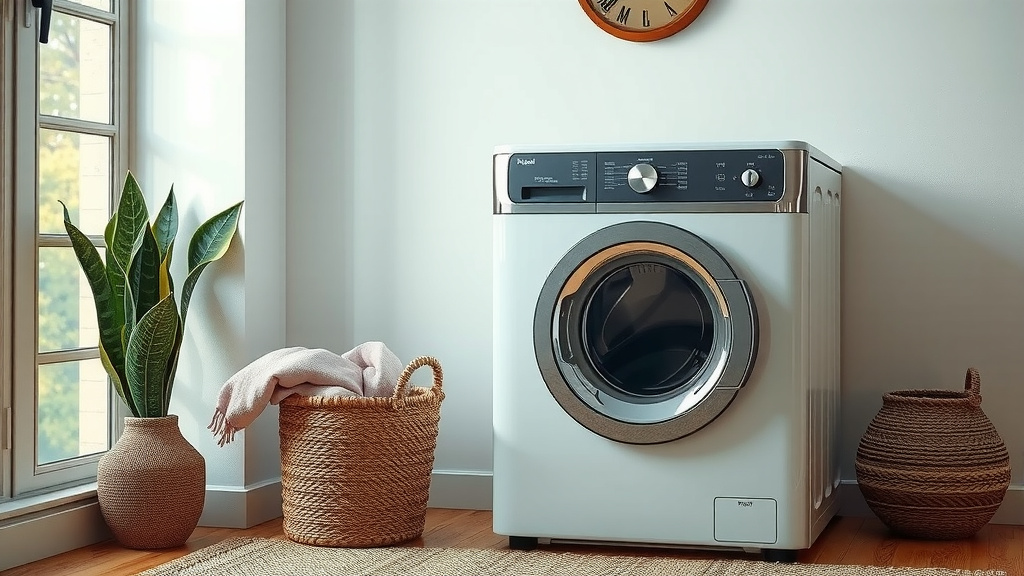
Checklist for Choosing Your Compact Washer and Dryer
Here’s a quick checklist to help you make the right choice:
- Measure your available space accurately (width, depth, and height).
- Determine your typical laundry load size and frequency.
- Decide between an all-in-one combo or a stackable set.
- Check for Energy Star ratings for efficiency.
- Confirm if you need a ventless or vented dryer.
- Read reviews for reliability and user satisfaction.
| Feature | All-in-One Combo | Stackable Units |
|---|---|---|
| Space Saving | Excellent (single footprint) | Very Good (vertical space) |
| Installation | Simpler (often ventless) | Requires stacking kit, potentially vent installation |
| Capacity | Typically smaller drum (1.5-2.0 cu ft) | Can vary, often slightly larger washer/dryer options |
| Drying Method | Mostly ventless (condenser/heat pump) | Can be vented or ventless |
| Transferring Clothes | Not required | Required (washer to dryer) |
| Ideal For | Tiny apartments, RVs, kitchens | Small homes, apartments with closet space |
Conclusion
You’ve learned that finding the smallest washer and dryer means focusing on units around 24 inches wide. Whether you choose a space-saving all-in-one combo or a stackable set, these compact appliances are designed for efficiency in tight living quarters. Remember to match the capacity to your household size and laundry habits to avoid overloads. By considering features like energy efficiency and ventless drying, you can make an informed decision. Your next step is to measure your space carefully and start comparing models to find the perfect fit for your home.
Frequently Asked Questions
What is the smallest actual capacity for a compact washing machine?
The smallest washer and dryer units typically offer a capacity of about 1.5 to 2.0 cubic feet. This size is generally best suited for individuals or couples. For reference, this is usually enough for about 8-10 pounds of dry laundry.
Are all-in-one washer dryer combos truly ventless?
Many, but not all, all-in-one washer dryer combos are ventless. These models use a condenser or heat pump system to dry clothes without needing an external vent. This makes them incredibly convenient for apartments or homes where venting isn’t possible.
How much vertical space do I need for a stackable washer and dryer?
You’ll need to account for the combined height of both the washer and dryer, plus any necessary stacking kits or clearances recommended by the manufacturer. Typically, a stacked set can stand around 70-80 inches tall, so ensure you have adequate ceiling height.
Can I wash bulky items like comforters in the smallest washer and dryer units?
Generally, the smallest washer and dryer units are not ideal for bulky items like comforters or large blankets. Their limited drum capacity means these items may not fit properly or get cleaned effectively. It’s best to check the product specifications for maximum load size.
Are compact washer and dryer units more expensive than full-sized ones?
Compact washer and dryer units can sometimes be similarly priced or even slightly more expensive than their full-sized counterparts, especially those with advanced features like heat pump technology. However, their space-saving benefits and potential energy efficiency can offset the initial cost over time.