Front Load vs HE Top Load Washer: Which Is Best
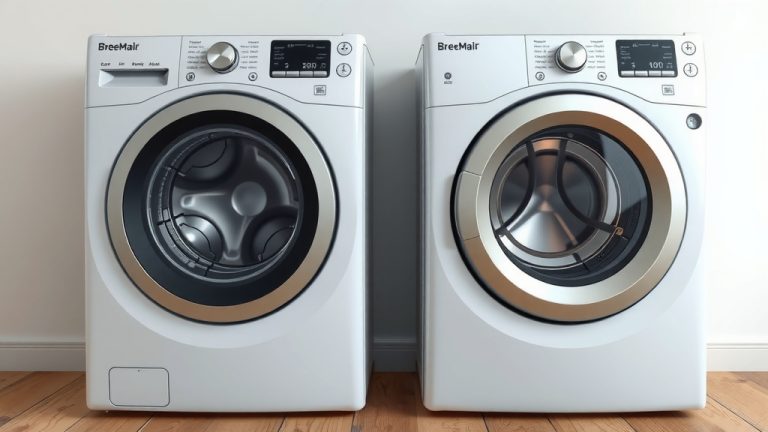
When choosing between a front load washer and a HE top load washer, the front loader typically wins for better cleaning performance and energy efficiency. While both use less water than older models, front loaders generally offer a deeper clean and are gentler on your clothes. They also spin faster, meaning clothes come out drier and need less time in the dryer. So, if your priority is garment care and saving on utility bills, a front loader is often the preferred choice.
It’s a common dilemma for homeowners upgrading their laundry setup. You want a machine that handles your family’s needs without breaking the bank on water and electricity. We found that both types have their own unique benefits, but understanding the key differences will help you make the best decision for your household. Think about wash cycles, capacity, and ease of use when comparing these two popular styles.
- Front load washers generally clean better and use less water.
- They also spin clothes drier, cutting down drying time.
- HE top loaders are often more affordable upfront.
- Top loaders are easier to load without bending over.
- Consider capacity and your typical laundry load size.
Let’s break down the pros and cons of each to help you decide which one is right for your home. We’ll look at everything from washing power to how much they cost to run.
Deciding Between Front Loaders and HE Top Loaders
You’re in the market for a new washing machine, and you’ve narrowed it down to two main contenders: the front load washer and the High-Efficiency (HE) top load washer. Both are modern options that promise better performance and efficiency than older models. We’ve looked into what makes each of them tick, and it really comes down to what matters most to your household. Let’s break down the differences to help you pick the perfect fit.
Front Load Washers: The Deep Cleaners
When you picture a washing machine, you might think of the classic top-loader. But the front load washer has become a popular choice for good reason. These machines are designed to tumble clothes through a small amount of water, offering a gentle yet effective clean. They often have a more sleek, modern look, too.
Performance and Cleaning Power
Research consistently shows that front load washers generally excel in cleaning performance. Because the drum rotates horizontally, clothes are lifted and dropped into the water. This tumbling action mimics hand washing, allowing detergent to penetrate fabrics more deeply. Many experts suggest this is why they are often better at removing tough stains. You’ll find they handle your clothes with care, reducing wear and tear.
Water and Energy Efficiency
Front load washers are champions when it comes to saving water. They use significantly less water than traditional top-loaders because they don’t need to fill a large tub. This lower water usage also means less energy is needed to heat the water, if you use hot settings. The U.S. Department of Energy has noted their efficiency, making them a great choice for saving on utility bills. This can add up to substantial savings over the life of the machine.
Spin Speed and Drying Time
One of the big advantages of front load washers is their impressive spin speed. They can spin much faster than most top-loaders. What does this mean for you? Your clothes come out of the wash cycle much drier. This is a huge benefit because it significantly cuts down on the time your clothes spend in the dryer. Less drying time means less energy used by your dryer, leading to even more savings. It’s a win-win for your laundry routine and your budget.
Capacity and Loading
Front load washers typically offer generous capacities, making them ideal for larger families or for washing bulky items like comforters. However, loading them does require bending down. If you have back issues or find bending difficult, this is something important to consider. Some people opt for pedestals to raise the machines, making loading and unloading easier.
Potential Downsides to Consider
While front loaders are fantastic, there are a couple of things to keep in mind. The wash cycles can sometimes be longer than those on top-loaders. Also, it’s important to leave the door ajar after use to allow the drum to dry out. This helps prevent mold and mildew buildup, which can lead to unpleasant odors. Leaving the door open is a simple step, but one you must remember.
HE Top Load Washers: Convenience and Cost-Effectiveness
HE top load washers offer a great alternative, combining modern efficiency with familiar top-loading convenience. These machines have replaced older, water-guzzling agitator models with designs that use less water and are more gentle on fabrics.
Ease of Use and Accessibility
For many, the biggest draw of an HE top load washer is simply how easy it is to load. You don’t need to bend over, which is a relief for your back. You can also add forgotten items to the wash mid-cycle, something most front loaders don’t allow. This convenience factor is a major plus for many households. It makes laundry day just a little bit less of a chore.
Wash Cycles and Speed
HE top load washers typically have faster wash cycles than front loaders. If you’re often in a hurry or need to get a load done quickly, this can be a significant advantage. While they might not always achieve the same level of deep cleaning as a front loader, their improved efficiency means they still offer a good clean for everyday laundry needs. Many offer a variety of cycles for different fabric types.
Water and Energy Use
These machines are designed to be much more water-efficient than traditional top-loaders. They use sensors to detect the load size and add just enough water to clean the clothes effectively. While they typically use more water than front load washers, they are still considerably more efficient than older models. The energy savings are noticeable, especially when paired with an efficient dryer.
Capacity and Spin Speed
HE top load washers come in a variety of capacities, some quite large, suitable for families. However, their spin speeds are generally lower than those found on front load models. This means clothes may come out slightly wetter, requiring a bit more time in the dryer. It’s a trade-off for the convenience and often lower upfront cost.
Cost Considerations
One of the appealing aspects of HE top load washers is their often lower purchase price compared to front loaders. While both types are more efficient than older machines, the initial investment for a top-loader can be more budget-friendly. This can make them an attractive option if your budget is a primary concern.
Comparing Key Features: A Quick Look
To help you visualize the differences, let’s put some key points side-by-side. We found that understanding these distinctions can make your choice much clearer.
| Feature | Front Load Washer | HE Top Load Washer |
|---|---|---|
| Cleaning Performance | Generally superior, deeper clean | Good, effective for everyday needs |
| Water Usage | Very low | Low (more than front load, less than traditional) |
| Energy Efficiency | High | Good |
| Spin Speed | High (drier clothes) | Moderate |
| Ease of Loading | Requires bending | Easy, no bending |
| Cycle Time | Can be longer | Generally faster |
| Upfront Cost | Typically higher | Typically lower |
Your Laundry Checklist: What to Consider
Making the right choice depends on your priorities. Ask yourself these questions:
- How important is the absolute best cleaning performance for your clothes?
- Do you have a lot of large or bulky items to wash regularly?
- Is bending down to load the machine a concern for your physical comfort?
- What is your budget for the initial purchase of the washing machine?
- Are you looking to maximize water and energy savings over time?
- How much time do you typically have for laundry cycles?
Conclusion
You’ve learned that both front load and HE top load washers offer great improvements over older models. Front loaders often win for superior cleaning and the driest clothes, saving you dryer time and energy. HE top loaders provide excellent convenience with easier loading and faster cycles, often at a lower upfront cost. Consider your personal needs – whether it’s garment care, physical comfort, or budget – to make the best choice for your home. Take this information, think about your laundry habits, and you’ll be ready to pick the perfect machine.
Frequently Asked Questions
Which type of washer is better for people with back problems?
HE top load washers are generally better for individuals with back issues. You won’t need to bend over to load or unload them, which can be a significant relief. Front loaders require bending, though pedestals can be purchased to raise their height.
Can I really add clothes mid-cycle to an HE top loader?
Yes, most HE top load washers allow you to pause the cycle and add forgotten items. This is a major convenience that many front load models do not offer. Always check your specific model’s manual for exact instructions.
Which washer type is more gentle on clothes?
Front load washers are typically more gentle on your clothes. Their tumbling action mimics hand washing, which reduces wear and tear on fabrics compared to the more vigorous washing action in some top-loaders.
What does “HE” stand for in HE top load washer?
HE stands for High-Efficiency. These machines are designed to use less water and energy than traditional top-loading washers. They use sensors to determine the right amount of water needed for the load.
How can I prevent mold or mildew in my front load washer?
To prevent mold and mildew in a front load washer, you should leave the door slightly ajar after each use. This allows the drum to air out and dry completely. Wiping down the door seal periodically also helps.