Stack Your Dryer: A Step-by-Step Guide
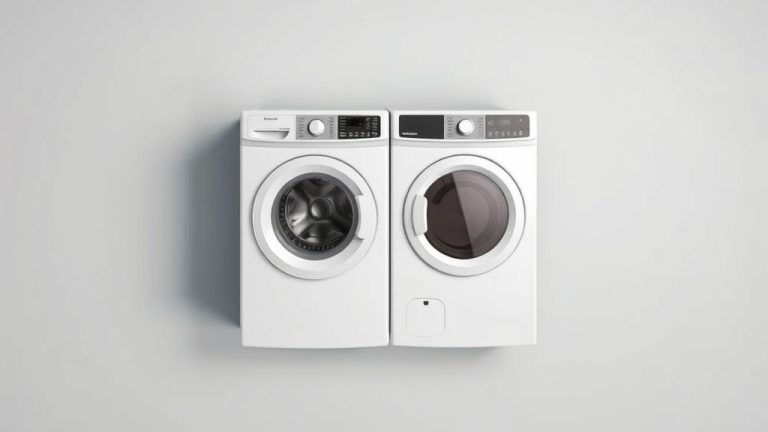
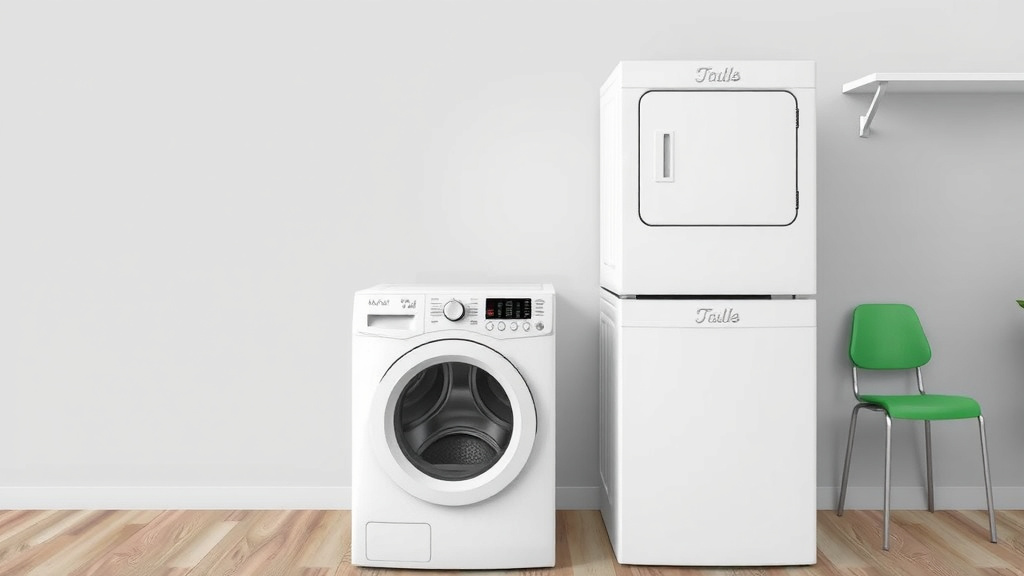
Yes, you can definitely lift a dryer to stack it on top of a washing machine, but you’ll need a strong helper and possibly some specialized equipment. It’s a two-person job at minimum, and you’ll want to be sure you have a good grip. Stacking your dryer can save a ton of laundry room space.
Many homeowners choose to stack their laundry appliances to maximize living areas. We found that this setup is especially popular in smaller homes or apartments. It’s a smart way to fit both a washer and dryer when you have limited floor space. Just remember, safety comes first when handling heavy appliances like these.
- Always get help from another person.
- Consider a stacking kit for stability.
- Measure your space before you start.
- Ensure both machines are level.
- Disconnect power before moving.
Ready to give your laundry room a space-saving upgrade? Let’s walk through exactly how to safely lift and stack your dryer step by step.
Safely Lifting Your Dryer for Stacking
You’ve decided to stack your dryer, which is a fantastic way to reclaim some precious laundry room space. But how exactly do you get that heavy appliance up onto the washing machine? It’s not quite like lifting a box of books. We’ve put together a guide to help you do it safely and effectively.
Assess Your Dryer and Workspace
Before you even think about lifting, take a good look at your dryer. Is it a gas or electric model? Gas dryers have an extra gas line to consider, making them a bit trickier. You’ll want to know the exact weight of your dryer. This information is usually on a sticker inside the door or in the owner’s manual. We found that knowing the weight is key to preparing properly.
Next, look at your laundry room. Is there enough clearance around the washer and dryer? You’ll need plenty of room to maneuver the dryer. Think about where you’ll place it temporarily. You might need a clear path from where it currently sits to its final stacking spot. Don’t forget about lighting; a well-lit space is a safer space.
Gather Your Tools and Helpers
This is not a solo mission. You absolutely need a strong helper. Trying to lift a dryer by yourself is a recipe for disaster, and possibly a trip to the chiropractor. Recruit a friend, family member, or neighbor who is capable of lifting heavy objects.
Beyond your human power, consider some equipment. Moving blankets or thick towels are great for protecting both machines and your floors from scratches. If you have appliance dollies or furniture sliders, they can be incredibly helpful for the initial move to position the washer. We found that even simple things like gloves can improve your grip significantly.
Essential Items Checklist:
- A willing and able helper
- Moving blankets or thick towels
- Work gloves for better grip
- Appliance dolly or furniture sliders (optional, but helpful)
- A clear, well-lit workspace
Prepare the Machines for the Move
Safety first means disconnection. You absolutely must disconnect the power to both the washer and dryer before you begin. For electric dryers, unplug the power cord from the wall outlet. For gas dryers, you’ll need to turn off the gas valve, usually located behind the dryer. Make sure it’s fully off.
If your dryer is vented, disconnect the dryer vent hose. You don’t want this snagging on anything during the move. Also, detach any water hoses from the washing machine. You’ve got to get everything out of the way for a clean lift and move. Some people find it helpful to tape the dryer door shut so it doesn’t swing open unexpectedly.
The Actual Lifting Process
Now for the moment of truth. Position your helper directly opposite you. Decide who will take which side. You want to have a firm, balanced grip on the dryer. Aim for the sturdiest parts of the machine, typically the lower sides or the base.
On the count of three, bend your knees and lift with your legs, not your back. Keep your back straight. This is the golden rule of safe lifting. Slowly and steadily lift the dryer together. You’ll want to coordinate your movements precisely. Communication is key here; talk to your helper throughout the lift.
Lifting Technique:
- Bend your knees, not your back.
- Keep your back straight.
- Get a firm grip on the dryer’s base or lower sides.
- Lift in unison with your helper.
- Communicate clearly throughout the lift.
Positioning the Dryer on Top of the Washer
Once you’ve lifted the dryer a few inches off the ground, begin moving it towards the washing machine. Keep your movements slow and controlled. You’re aiming to place it directly on top of the washer. Ensure the dryer is centered as much as possible.
You might need to slightly adjust the dryer’s position once it’s on the washer. Gently nudge it into place. Make sure it’s sitting flush and stable. A wobbly dryer on top of a washer is a recipe for an appliance disaster. Double-check that it’s not leaning forward or backward.
Securing the Stacked Appliances
Now that your dryer is in place, it’s time to secure it. Many manufacturers recommend using a stacking kit. These kits usually include straps or brackets that physically connect the two machines, preventing the dryer from shifting or falling. We found that these kits are a small investment for a huge peace of mind.
Follow the instructions that come with your specific stacking kit. They are designed to work with particular washer and dryer models. If you can’t find or use a stacking kit, at least ensure the dryer is perfectly stable. Some people use anti-vibration pads underneath the dryer to help with stability, though a dedicated kit is best.
Reconnecting and Testing
With the dryer securely stacked, you can now reconnect the vent hose and, if applicable, the gas line. For electric dryers, plug the power cord back in. For gas dryers, turn the gas valve back on. Make sure all connections are tight and secure.
Before you load up your first load of laundry, test both machines. Run a short cycle on the washer and then a short cycle on the dryer. Listen for any unusual noises. Watch to ensure everything is running smoothly and that the stacked appliances remain stable. We found that a quick test run can catch potential issues early.
When to Call a Professional
While lifting a dryer to stack is often a DIY-friendly task, there are times when calling a professional is the wiser choice. If you’re unsure about disconnecting gas lines, or if either appliance seems unusually heavy or unwieldy, it’s best to get expert help. Appliance installers have the right tools and experience to handle these moves safely.
We also found that older homes might have less stable flooring or narrow doorways that make moving appliances more challenging. If you have any doubts about your ability to complete the task safely, don’t hesitate to reach out to a local appliance installation service. Your safety and the integrity of your appliances are worth the extra cost.
Conclusion
You’ve learned that stacking your dryer is totally doable with the right prep and a trusted helper. Remember to always prioritize safety by disconnecting power and using proper lifting techniques. Gathering your tools and carefully preparing your machines are key steps we found make a big difference.
Once your dryer is lifted and in place, don’t forget to secure it with a stacking kit for maximum stability. This smart space-saving move will give your laundry room a whole new feel. Now, go forth and tackle that stack with confidence!
Frequently Asked Questions
How much does a typical dryer weigh?
Dryers can vary in weight, but most standard electric or gas models typically range from 150 to 200 pounds. Always check your dryer’s manual or a sticker inside the door for its exact weight. Knowing this helps you and your helper prepare for the lift.
Is a stacking kit really necessary?
While not always strictly mandatory, a stacking kit is highly recommended by manufacturers. These kits securely connect the washer and dryer, preventing movement and potential tipping. We found they offer significant peace of mind and are a wise investment for safety.
Can I stack a dryer on top of a washing machine if they are different brands?
Generally, yes, you can stack dryers on washers of different brands. However, always check the manuals for both appliances. Some stacking kits are universal, while others are brand-specific, so compatibility is something we suggest verifying.
What if my dryer is gas? Are there extra safety concerns?
Yes, gas dryers require extra caution. You must turn off the gas supply valve before moving the dryer. Ensure the gas line is fully disconnected and properly reconnected afterward. If you’re not comfortable with gas lines, calling a professional is your safest bet.
How can I protect my floors and machines during the move?
We found that using moving blankets or thick, old towels is excellent for protecting both your appliances and your flooring. Slide these under the dryer before lifting. If you’re moving the washer, furniture sliders or an appliance dolly can prevent scratches and make it easier to maneuver.