Front Load vs Side Load Washer: Which Is Best For You
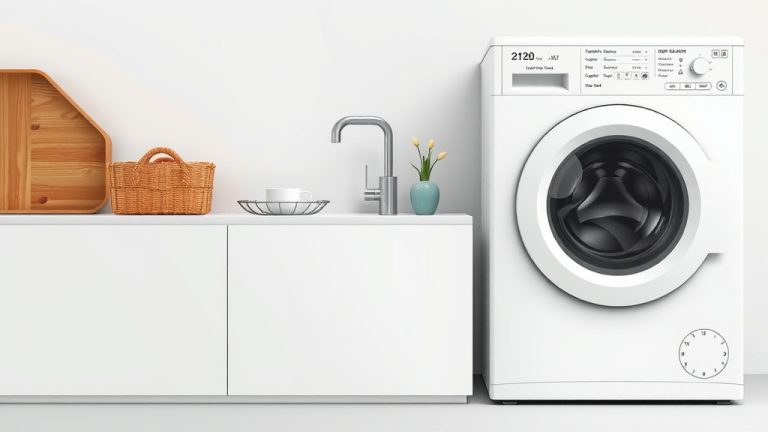
When deciding between a front load vs. side load washer, the choice often comes down to water efficiency and gentleness on clothes, with front-loaders generally winning on both. While both get your laundry clean, front-load washers typically use less water and spin faster, leading to shorter drying times. Side-load washers, on the other hand, are often more affordable upfront and can sometimes handle larger loads. We found that understanding your priorities will help you pick the best fit for your home.
Beyond the basic cleaning function, these washer types differ in installation needs and capacity. Front-loaders can be stacked, saving precious floor space in smaller laundry rooms. Side-loaders usually require more space but offer a simpler, traditional setup. Many users appreciate the advanced cleaning cycles and energy savings offered by front-load models, even if the initial investment is higher. It’s a balance between cost, convenience, and performance.
TL;DR:
- Front-load washers are generally more water-efficient and gentler on clothes.
- Side-load washers can be cheaper upfront and handle larger capacities sometimes.
- Front-loaders can be stacked to save space.
- Consider your budget, space, and laundry habits when choosing.
Let’s dive deeper into the pros and cons of each type to help you make the best decision for your laundry needs.
Front Loaders vs. Side Loaders: Making Your Laundry Choice
Deciding between a front load and a side load washer can feel like a big decision for your home. You want clean clothes, but you also think about cost, convenience, and even how it looks in your laundry space. We’ve looked into the differences to help you sort it all out.
Front-load washers generally use less water. They tumble clothes through the water, not soak them. This water efficiency is a big draw for many people. It can also mean lower utility bills over time. Many energy-efficient models carry the ENERGY STAR label, showing they meet strict energy standards (ENERGY STAR).
Side-load washers, often called top-load agitator models, are the more traditional type. They have a central post, or agitator, that twists clothes around. This method can be effective but sometimes harder on fabrics. They also tend to use more water than front-loaders. Still, some people prefer this method for certain types of loads.
Performance Differences You Can See
When it comes to cleaning power, both types get the job done. But they go about it in different ways. Let’s break down how they perform:
Cleaning Action and Fabric Care
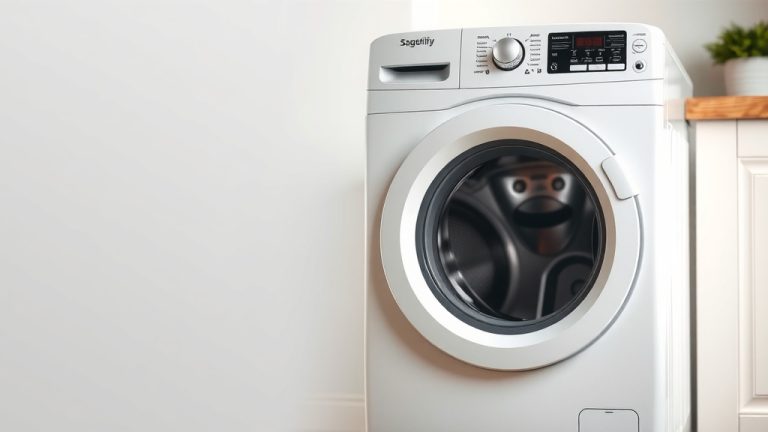
Front-load washers use a tumbling action. Your clothes are lifted and dropped into the water. This gentle action is kinder to fabrics. It means less wear and tear on your favorite shirts and jeans. Many users report their clothes last longer when using a front-loader.
Side-load (top-load agitator) washers rely on an agitator. This is the post in the middle of the drum. It churns clothes through the water. While effective at removing tough stains, this action can be rougher on clothes. You might notice more pilling or stretching over time. Some newer top-load models have “impellers” instead of agitators, which are gentler and more water-efficient, but they are a different category than traditional agitator models.
Spin Speeds and Drying Times
One key advantage of front-load washers is their higher spin speeds. They can spin much faster than most side-load models. This extracts more water from your clothes before they go into the dryer. What does this mean for you? Shorter drying times. Less time spent waiting for laundry.
Side-load washers typically have lower spin speeds. More water remains in the clothes after the wash cycle. This can lead to longer drying times. You might have to run your dryer for an extra 15-20 minutes. This means your dryer uses more energy too.
Water and Energy Consumption
We found that front-load washers are generally more energy-efficient. They use significantly less water per load. This is because they don’t need to fill the entire tub. This lower water usage translates to lower water bills. It’s also better for the environment.
Side-load washers, especially older models with agitators, use more water. They need to fill the tub to cover the clothes. This higher water usage means higher utility costs. Many newer side-load models are improving their efficiency, but front-loaders often still lead the pack in water savings.
Understanding the Practicalities: Space and Installation
Beyond how well they clean, washers need to fit into your life and your home. Space and installation are major factors.
Space-Saving Stacking Options
If you have a small laundry room or apartment, space is a big concern. Front-load washers offer a fantastic solution: stackability. You can place a matching dryer on top of the washer, using vertical space. This frees up floor space. It can make a tiny laundry area feel much larger.
Side-load washers cannot be stacked. They are designed to sit side-by-side with a dryer. This means they require more floor space. If you don’t have room to spare, this could be a deal-breaker.
Installation and Accessibility
Installing a front-load washer is usually straightforward. You’ll need to ensure it’s level, especially since they tend to vibrate at high spin speeds. Many people appreciate the control panels being on the front, making them easy to reach.
Side-load washers are also easy to install. The main difference is accessibility. Since you load them from the top, bending over can be an issue for some. If you have back problems or find bending difficult, this is something to consider carefully.
Capacity and Load Sizes
While front-loaders can be stacked, they don’t always hold the largest loads. Their drums are designed differently. Some smaller capacity front-loaders might not fit bulky items like comforters as easily. However, many larger capacity front-loaders are available and handle family-sized laundry loads well.
Side-load washers often boast impressive capacities. The absence of an agitator in some models allows for more usable drum space. This means you can wash larger items or more clothes in a single load. This can be a significant time-saver for busy households.
Cost Considerations: Upfront vs. Long-Term
Your budget plays a huge role in choosing a washer. It’s not just about the sticker price.
Initial Purchase Price
Research often shows that front-load washers tend to have a higher initial purchase price. They often come with more advanced features and technology. This can make them seem more expensive upfront.
Side-load washers, especially those with agitators, are generally more affordable. You can often find a good quality side-load washer for a lower price. This makes them an attractive option if budget is your primary concern.
Long-Term Operating Costs
However, the story changes when you look at long-term costs. Because front-load washers are more water and energy efficient, they cost less to operate over their lifespan. Lower utility bills can add up significantly over the 10-15 years you might own a washer.
The higher water and energy consumption of many side-load washers means higher utility bills. While the upfront cost is lower, you might pay more over time. It’s a trade-off between initial investment and ongoing expenses.
Making Your Final Choice: A Quick Checklist
To help you decide, ask yourself these questions:
- Do you need to save space in your laundry room?
- Are you looking to lower your water and energy bills?
- Is gentleness on your clothes a top priority?
- Do you have trouble bending over for loading?
- What is your budget for the initial purchase?
- How large are the loads of laundry you typically wash?
| Feature | Front Load Washer | Side Load Washer (Agitator Style) |
|---|---|---|
| Water Efficiency | High | Low |
| Energy Efficiency | High | Moderate to Low |
| Gentleness on Clothes | High | Low to Moderate |
| Spin Speed | High | Low to Moderate |
| Stackable | Yes | No |
| Upfront Cost | Higher | Lower |
| Long-Term Cost | Lower | Higher |
| Typical Capacity | Moderate to High | Moderate to High |
Conclusion
You’ve now seen how front-load and side-load washers stack up. Front-loaders generally offer superior water and energy efficiency and are gentler on your clothes. They’re also a great choice if you need to save space by stacking. Side-loaders can be more budget-friendly upfront and offer a traditional wash experience. Consider what matters most for your home. Think about your laundry habits, available space, and long-term budget. Armed with this knowledge, you’re ready to choose the washer that best fits your needs.
Frequently Asked Questions
Can I really stack a washer and dryer?
Yes, you can stack a washer and dryer, but only if you have a front-load washer. Matching dryers are designed to sit securely on top of front-load washers. This is a fantastic way to maximize space in smaller laundry rooms or apartments.
Are front-load washers truly better for clothes?
Research suggests front-load washers are generally gentler on fabrics. Their tumbling action cleans clothes by lifting and dropping them, which causes less wear and tear compared to the agitator action in many traditional side-loaders. This can help your clothes last longer.
Which type of washer will save me more money over time?
Front-load washers typically save you money in the long run. They use significantly less water and energy per load, leading to lower utility bills. While their upfront cost might be higher, the ongoing savings can make them more economical over the lifespan of the appliance.
Do side-load washers handle larger loads?
Some side-load washers, especially newer models without a central agitator, can offer very large capacities. The absence of an agitator allows for more usable drum space. This means you can often wash bulkier items like comforters or larger family-sized loads more easily in certain side-load models.
Which washer type is easier to load if I have back pain?
If bending is difficult for you, a front-load washer might be more comfortable. The control panel is usually at the front, making it easy to reach. While side-load washers are loaded from the top, you’ll need to bend down to place items inside the drum, which can be a challenge for some individuals.