Front vs Top Load HE Washers: Which Is Right For You
When choosing a new washing machine, the choice often comes down to front-load vs. top-load HE washers. While both are energy-efficient, front-loaders generally clean better and are gentler on clothes. Top-loaders, especially those with an impeller, can be rougher and use more water. Your decision depends on your priorities, like budget and wash performance.
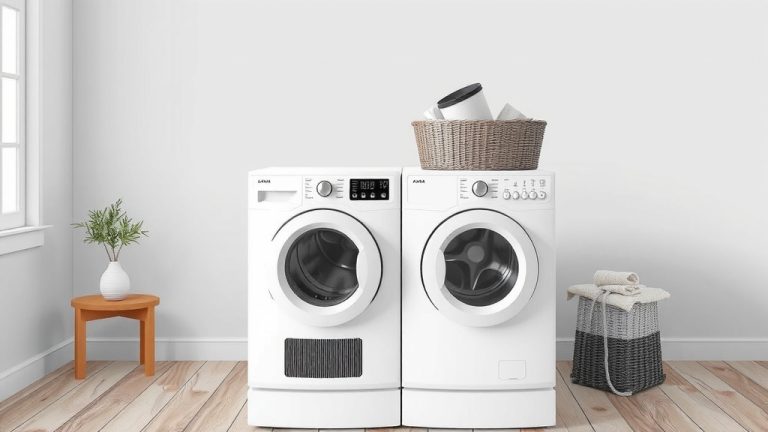
We’ve found that front-load washers often come with a higher upfront cost. However, they typically use less water and energy over their lifespan. This can lead to long-term savings on utility bills. Many people also prefer the convenience of stacking a dryer on top of a front-load washer.
- Front-loaders usually offer superior cleaning.
- They are gentler on your garments.
- Front-loaders often use less water and energy.
- Top-loaders can be faster and more affordable.
- Consider your budget and laundry habits.
Let’s break down the key differences between front-load and top-load HE washers to help you make the best choice for your home.
Understanding Your Washing Machine Options: Front vs. Top Loaders
Deciding between a front-load and a top-load high-efficiency (HE) washer can feel like a big decision. You want what’s best for your clothes and your wallet. We’ve researched the differences to help you figure out which type might be your laundry room’s new best friend.
How They Work: The Basics of HE Washers
Both front-load and top-load HE washers are designed to use less water and energy than older, traditional machines. They achieve this through different mechanisms. HE washers tumble clothes in a smaller amount of water. This is a departure from older models that used to fill the entire tub. It’s a smarter way to get your laundry clean.
The Tumbling Action of Front-Loaders
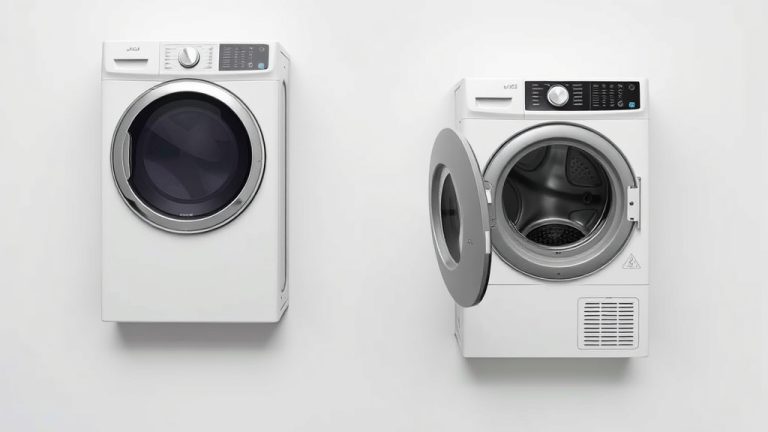
Front-load washers work by tumbling your clothes. The drum rotates, lifting clothes and then dropping them into the water. This action is gentle on fabrics. It’s like giving your clothes a bath rather than a vigorous scrub. This method often leads to a deeper clean without being too harsh.
Top-Loaders: Agitators vs. Impellers
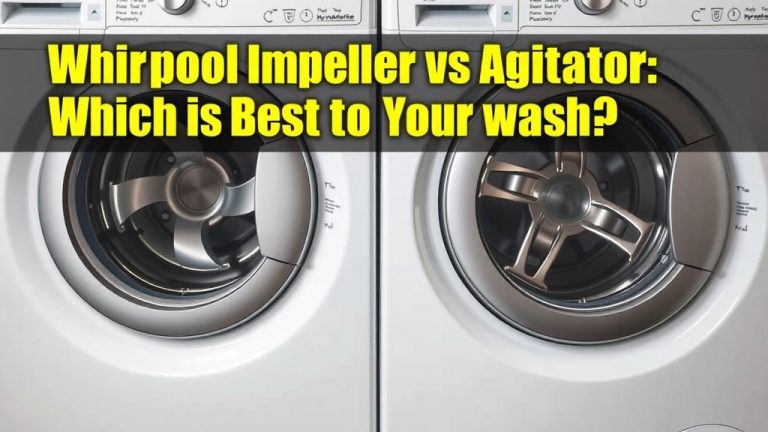
Top-load HE washers have evolved. Older models often used a central agitator. This is the tall spindle that twists and turns in the middle of the drum. It can be tough on clothes. Newer top-loaders use an impeller. This is a low-profile cone or disc at the bottom of the drum. It spins and rubs clothes against each other. Some find this gentler than an agitator, but it can still be rougher than a front-loader.
| Feature | Front-Load HE Washer | Top-Load HE Washer (Impeller) |
|---|---|---|
| Cleaning Action | Tumbling (gentle, effective) | Clothes rub against each other (can be less gentle) |
| Water Usage | Very low | Low to moderate |
| Energy Usage | Very low | Low |
| Cycle Time | Longer | Shorter |
| Ergonomics | Requires bending, can stack | Easier to load/unload, cannot stack |
| Mold/Mildew Potential | Higher if not maintained | Lower |
Performance: Which Washes Better?
When it comes to cleaning power, front-load washers often get the nod. We found research suggesting they are superior at removing stains. The tumbling action helps detergents penetrate fabrics more effectively. This is especially true for tough messes.
Gentleness on Your Clothes
Beyond just getting things clean, how well do they treat your garments? Front-loaders are widely considered the gentler option. The lack of a central agitator means less stress on your clothing fibers. This can help your favorite shirts and pants last longer. You’ll see less wear and tear over time.
Cycle Times and Convenience
Here’s where top-loaders often shine. They tend to have shorter wash cycles. If you’re in a hurry, this can be a big advantage. You can often throw in a load and be done in under an hour. Front-loaders, with their more thorough cleaning process, typically take longer.
Cost Considerations: Upfront vs. Long-Term
The initial price tag can be a deciding factor for many. Generally, front-load HE washers come with a higher upfront cost. You might be looking at a few hundred dollars more than a comparable top-load model. This initial investment is something to consider.
Water and Energy Savings
However, many experts point out that front-loaders often save you money in the long run. They use significantly less water and energy. The U.S. Department of Energy has noted that HE machines, especially front-loaders, can reduce water usage by over 50% compared to older models. Lower utility bills add up over the life of the machine. This can offset that initial higher purchase price.
Maintenance and Potential Issues
While front-loaders are great cleaners, they do have a potential quirk: mold and mildew. Because they seal tightly to prevent water from leaking, moisture can get trapped. This can lead to an unpleasant odor if not managed. You’ll want to leave the door ajar between washes and run a cleaning cycle regularly. Top-loaders typically don’t have this issue as much because they drain more completely and air out easier.
Space and Ergonomics: Fitting into Your Home
Where will your new washer live? This is a practical consideration. Front-load washers are often designed with the option to stack a dryer on top. This is a fantastic space-saving solution for smaller laundry rooms or apartments. It creates a vertical laundry center.
Ease of Loading and Unloading
On the flip side, many people find top-load washers easier to use. You can simply dump clothes in from the top. There’s no bending over or reaching into the drum. This is particularly appealing for those with back or knee issues. You can also add forgotten items mid-cycle more easily with most top-loaders.
Your Laundry Needs Checklist
To help you make the best choice, ask yourself these questions:
- Do you prioritize the deepest clean and gentlest fabric care?
- Are you looking to save the most water and energy over time?
- Do you have a smaller space where a stackable unit would be beneficial?
- Is a shorter wash cycle a major convenience for your busy schedule?
- What is your budget for both the initial purchase and ongoing utility costs?
- Are you willing to perform regular maintenance to prevent potential odor issues?
Thinking through these points can really help guide you toward the washer that fits your life best. Both types of HE washers are great upgrades from older models, but they cater to slightly different priorities.
Conclusion
Choosing between a front-load and a top-load HE washer boils down to your personal priorities. Front-loaders generally offer superior cleaning and are gentler on clothes, leading to long-term savings through reduced water and energy use, though they come with a higher initial cost and require diligence against mold. Top-loaders can be more affordable upfront and offer quicker cycles, making them convenient for busy households. Consider your budget, laundry habits, available space, and how much you value fabric care versus cycle speed. Take a moment to review your laundry room needs and see which machine truly fits your lifestyle best.
Frequently Asked Questions
Which type of HE washer is better for large families?
For large families, a front-load HE washer might be a better choice if you do a lot of laundry. They tend to handle larger loads and offer a more thorough clean, which is great for heavily soiled items. While cycles can be longer, their efficiency can save you money on utilities over time, which adds up with frequent use.
Can I add clothes to a front-load washer mid-cycle?
Generally, it’s more difficult to add clothes to a front-load washer mid-cycle compared to a top-loader. Many front-loaders lock the door once a cycle begins to maintain water levels and efficiency. Some newer models have an “add garment” feature, but you’ll need to check your specific model’s capabilities.
Are HE top-loaders really as efficient as front-loaders?
HE top-loaders are more efficient than traditional washers, but front-loaders typically use even less water and energy. The tumbling action of front-loaders is inherently more water-wise than the impeller action in top-loaders. However, the efficiency gains of an HE top-loader are still substantial compared to older machines.
How often should I clean my front-load washer to prevent mold?
To prevent mold and mildew in your front-load washer, it’s recommended to run a cleaning cycle or a hot water cycle with vinegar or a specialized washer cleaner at least once a month. Always remember to wipe down the door seal and leave the door ajar between uses to allow for air circulation.
Which type of HE washer is best for someone with back pain?
If you experience back pain, a top-load HE washer is often considered more ergonomic. You don’t need to bend down as much to load and unload laundry, which can be a significant comfort. This makes accessing your clothes much easier without putting extra strain on your body.