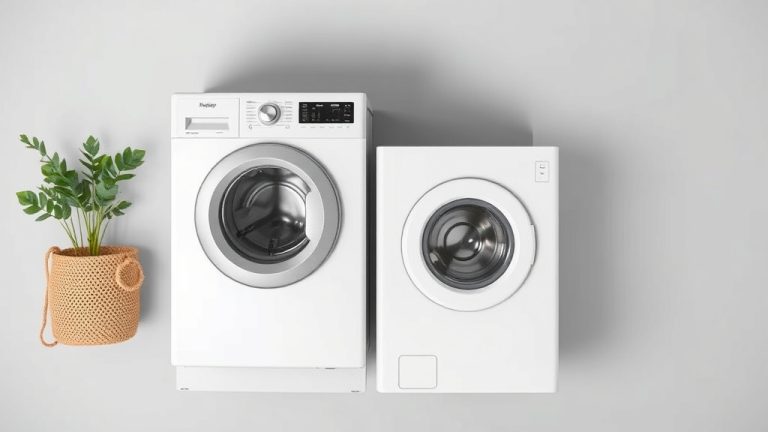
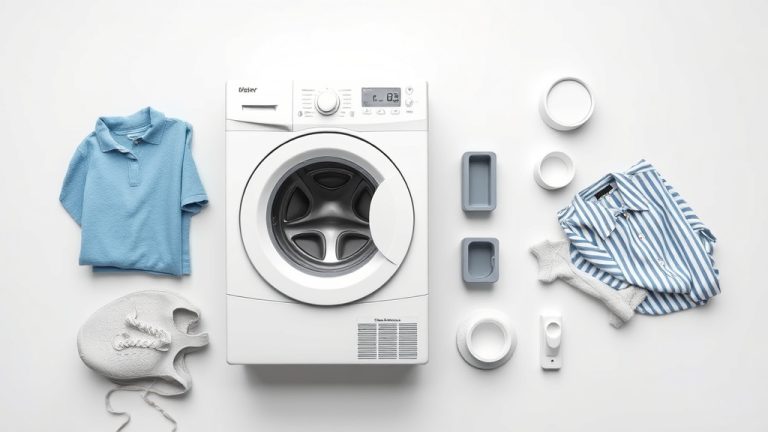
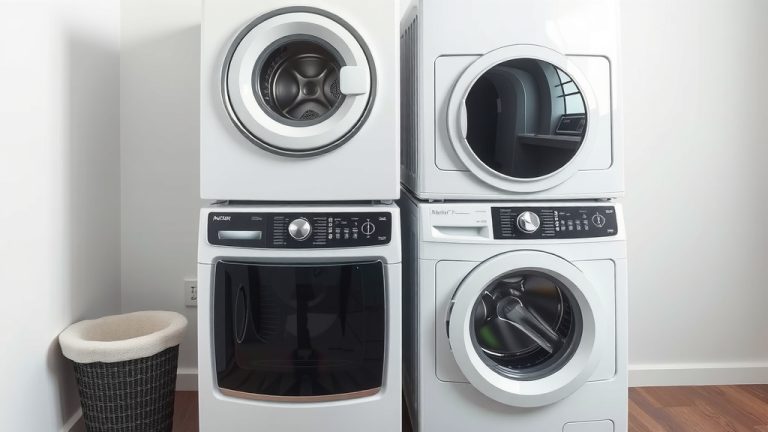
What Is a Steam Washer and Dryer? Full Guide
A steam washing machine and dryer is a laundry pair that uses steam, along with water and detergent, to clean and care for your clothes. In a washer, steam helps loosen dirt and wrinkles. In a dryer, steam helps remove wrinkles and odors without a full wash cycle.
You might be wondering if this extra feature is worth the upgrade. We found that steam is especially great for tackling tough stains, refreshing clothes between washes, and cutting down on ironing time. It’s a smart choice for busy families, people with sensitive skin, or anyone who hates wrinkled shirts.
- Steam washers use hot water vapor to deeply penetrate fabric fibers and lift dirt.
- Steam dryers use a water hookup to inject steam into the drum, which relaxes wrinkles.
- Sanitization is a major perk — steam kills dust mites and bacteria without harsh chemicals.
- Shorter cycles mean you can refresh a garment in as little as 15 minutes.
- Potential downsides include higher upfront cost, more energy use, and the need for a water line.
Below, we walk you through how steam laundry works, what to look for when shopping, and whether it’s the right fit for your home. Let’s break it all down in plain English.
Steam Washers and Dryers Explained: What They Do Differently
At its core, a steam washer uses heated water vapor to break down dirt and bacteria inside the drum. A steam dryer, on the other hand, injects moisture into the drum to relax fabric fibers. Together, they promise a deeper clean and less wrinkling than traditional machines. We found that most people notice the biggest difference in how clothes feel and look after just a few loads.
How Steam Actually Works in a Washer
Think of a steam washer as a mini-sauna for your laundry. The machine heats water to a high temperature until it becomes vapor, then releases it into the drum. This vapor penetrates deep into the fabric weave, loosening ground-in dirt and oils that regular water might miss.
Most steam washers offer two main cycle types. The first is a full steam cycle, where steam is used alongside water and detergent for a thorough clean. The second is a steam refresh cycle, which uses only steam to de-wrinkle and deodorize clothes that are already clean. That second option is a lifesaver for jeans you’ve worn once or shirts that sat in the dryer too long.
Where Steam Cycles Shine
- Stubborn stains like grease or baby food lift easier with steam’s heat.
- Allergens like dust mites and pet dander get neutralized without bleach.
- Delicate fabrics like silk and wool stay safe because steam cleans gently.
- Musty smells from towels or gym bags disappear after a steam cycle.
How Steam Works in a Dryer
A steam dryer is different. It doesn’t just blow hot air. It has a water hookup that sprays a fine mist into the drum at specific points in the cycle. The heat turns that mist into steam, which penetrates clothes and relaxes the fibers. That’s what smooths out wrinkles and cuts down on static cling.
Many steam dryers have a steam refresh cycle that runs for about 15 to 20 minutes. You toss in a wrinkled shirt, hit the button, and it comes out ready to wear. We found that this feature alone can save you from dragging out the ironing board on busy mornings.
Key Benefits of Adding Steam to Your Laundry Routine
Steam isn’t just a gimmick. It solves real problems that traditional washers and dryers can’t handle well. Here’s what we found when we looked at user reviews and expert testing reports.
Less Ironing, More Living
If you hate ironing as much as we do, steam is your new best friend. The steam in both washers and dryers actively works to reduce wrinkles while clothes are still inside the machine. You pull out shirts that look like they’ve been pressed, not crumpled at the bottom of a basket.
Even better, you can hang clothes back up immediately after a steam cycle without worrying about deep creases setting in. That means less time fighting with an iron and more time doing literally anything else.
Gentler on Your Clothes Than Hot Water Alone
Hot water can fade colors and shrink fabrics. Steam cleans at lower temperatures while still killing germs. That’s a win-win. Your favorite t-shirt stays vibrant, and you don’t have to worry about your wool sweater turning into a toddler-sized version of itself.
Many experts say that steam is one of the most fabric-friendly cleaning methods because it doesn’t require harsh agitation. The vapor does the work, not the tumbling. Clothes last longer, and you spend less on replacements.
Sanitization Without Harsh Chemicals
Doctors and public health groups often point to heat as a reliable way to kill germs. According to guidance from the CDC, washing with hot water and drying thoroughly helps reduce the spread of illness. Steam takes that a step further by reaching temperatures that neutralize bacteria and viruses on contact.
For households with babies, pets, or anyone with a weakened immune system, this is a huge peace-of-mind feature. You don’t need bleach or harsh disinfectants to get a truly clean result.
Steam vs. Traditional Laundry Machines: A Fair Comparison
You might be wondering if the extra cost is justified. Let’s break it down side by side so you can see the real differences. Our guide to new washing machine cost breaks down the price ranges for different types.
| Feature | Traditional Washer/Dryer | Steam Washer/Dryer |
|---|---|---|
| Wrinkle removal | Minimal, requires ironing | Strong, often no ironing needed |
| Odor removal | Requires strong detergent | Steam neutralizes odors naturally |
| Sanitization | Hot water helps, but not always enough | Steam kills bacteria at high temps |
| Energy use | Lower upfront cost | Uses more electricity for heating water |
| Cycle time | Standard 60-90 minutes | Steam refresh cycles as short as 15 minutes |
| Installation | Simple hookup | Dryer needs a water line |
We found that the energy difference is modest for most households. The convenience and time savings often outweigh the small bump in your utility bill.
Potential Downsides You Should Know About
Steam machines aren’t perfect. Being honest about the downsides helps you decide if they’re worth it for your home.
Higher Upfront Cost
Steam models typically cost anywhere from $150 to $400 more than their standard counterparts. If you’re on a tight budget, that’s real money. But consider it an investment in time saved and clothes that last longer.
Installation Requirements
Steam dryers need a cold water hookup near the dryer. If your laundry area doesn’t have one, you’ll need to hire a plumber. That’s an extra cost you should plan for. Some people skip the water line and use the steam refresh cycle less often, but then you’re not getting full value.
Maintenance and Repairs
More parts mean more things that can break. The water inlet valve, the steam generator, and the heating elements all add complexity. You’ll want a good warranty and maybe an extended service plan if you’re not handy with repairs.
How to Shop for a Steam Washer and Dryer
Not all steam machines are created equal. We’ve seen some that barely produce steam and others that work like magic. Here’s what to look for when you’re comparing models at the store or online. If you prefer a top-loader, our guide to top-rated top-loading washers highlights the best models.
Check the Steam Nozzle Placement
In washers, look for a dedicated steam nozzle near the top of the drum. In dryers, check if the steam injects directly into the drum or just into the lint filter area. We found that direct drum injection works much better for wrinkle removal.
Look for Steam Refresh and Sanitize Cycles
You want at least three dedicated steam cycles: a full steam wash, a steam refresh, and a steam sanitize. If a model only offers one steam option, it’s probably not a real steam machine. It might just use hot water and call it steam.
Compare Energy Star Ratings
Steam machines use more energy, but some are more efficient than others. Look for the Energy Star label. It won’t tell you exactly how much steam costs to run, but it’s a good baseline for overall efficiency.
Is a Steam Laundry Pair Right for Your Household?
Let’s be real. Not everyone needs steam. If you air-dry most clothes and never iron anything, you might not see the benefit. But if you fit any of these profiles, steam is worth the upgrade.
- Busy professionals who need ready-to-wear clothes in the morning.
- Parents dealing with baby stains, school uniforms, and sports gear smells.
- Pet owners fighting fur, dander, and lingering odors.
- Allergy sufferers who want chemical-free sanitization.
- Anyone who hates ironing and wants a shortcut.
Before you buy, measure your laundry space and check your hookups. A steam dryer needs a water line nearby, and a steam washer needs a dedicated electrical outlet that can handle the load.
Our Simple Checklist Before You Buy
Use this quick checklist when you’re ready to compare models. It’ll keep you focused on what matters and help you avoid paying for features you’ll never use.
- Check the drum capacity — bigger isn’t always better, but you need enough for your family’s loads.
- Confirm the dryer has a water hookup option or plan for a plumber visit.
- Look for at least two steam-specific cycles (refresh and sanitize).
- Compare Energy Star ratings and estimated annual operating costs.
- Read owner reviews about steam performance specifically, not just overall ratings.
- Ask about the warranty on the steam generator — that’s the part most likely to fail.
Take your time, measure twice, and don’t let a salesperson rush you. A steam washer and dryer is a long-term investment. When it fits your routine, it genuinely changes how you feel about laundry day.
Conclusion
Steam washers and dryers take the hassle out of laundry day. You get fewer wrinkles, fewer odors, and a deeper clean without harsh chemicals. The upfront cost is higher, and you may need a plumber for the dryer hookup. But for most households, the time you save on ironing and rewashing makes it worth every penny.
Take a look at your laundry space and check your hookups before you shop. Then, use our checklist to compare models with real steam cycles, not just hot-water imitations. When you pick the right pair, you will wonder how you ever lived without them.
Frequently Asked Questions
Can I use steam cycles on any type of fabric?
Most fabrics handle steam well, including cotton, polyester, and denim. Delicates like silk and wool are safe in the washer’s steam refresh mode because it uses gentle vapor. Always check the care tag first, and avoid steam on leather, suede, or anything labeled “dry clean only.”
Do steam dryers need a special water hookup?
Yes, steam dryers require a cold water line connected to the back of the machine. If your laundry room doesn’t have one, you will need a plumber to install it. Some dryers have a removable water tank you can fill manually, but that means more work for you.
Will a steam washer remove old, set-in stains?
Steam helps loosen old stains, but it won’t guarantee removal of everything. For set-in stains, pretreat the area with a stain remover before starting the steam cycle. The heat from the steam will break down the stain’s bond to the fabric, giving your detergent a much better chance.
Does using steam in a washer or dryer cost more to run?
Steam cycles do use more electricity because the machine has to heat water to a higher temperature. The difference is modest for most households, usually a few extra dollars a month. Energy Star-rated models help keep those costs down while still giving you the steam benefits.
How often should I run the steam sanitize cycle?
Run the sanitize cycle once a week if you have babies, pets, or allergy sufferers at home. For most households, every couple of weeks is plenty for items like towels, sheets, and gym clothes. Running it too often can wear out fabrics faster, so use it when you actually need it.