Best Washer Dryer Combos for 2026: Top Rated Picks
The top rated washer dryer combo is the LG WashTower, which earned the best overall scores in our research for its laundry performance and space-saving design. A washer dryer combo is a single unit that washes and dries your clothes without you having to transfer them between machines. This two-in-one appliance is a lifesaver for apartments, condos, and small homes where space is tight.
We dug through expert reviews and user feedback to find the models that actually get your clothes clean and dry without taking all day. The best combos balance wash quality, drying effectiveness, and ease of use, which are the three things you should care about most. You want a machine that handles a full load without leaving damp towels or wrinkly shirts.
TL;DR
- The LG WashTower is our top pick for overall quality and performance.
- Vented combos dry clothes faster and more thoroughly than ventless models.
- LG and Samsung make the most reliable and feature-rich combo units.
- Capacity matters a lot, so aim for at least 4.5 cubic feet for families.
- You should measure your space carefully before buying because these units are tall.
Below, we break down the best washer dryer combos on the market, what makes them stand out, and how to choose the right one for your home. Let’s get your laundry routine sorted out.
Choosing the Best Washer Dryer Combo for Your Home
You want a machine that handles laundry without babysitting it. The top rated washer dryer combo models do exactly that. They wash and dry in one cycle, so you set it and forget it.
We found that the best units share a few key traits. They clean thoroughly, dry completely, and fit your space. Let’s look at the features that really matter.
Why Choose a Combo Unit Over Separate Machines
Space is the biggest reason people pick a combo. You get two appliances in the footprint of one. That frees up room for storage, shelving, or just breathing space in a tight laundry closet.
Combos also cut down on the physical work. You load dirty clothes in the morning. You pull out dry, clean clothes hours later. No bending over to move heavy wet loads between machines.
Many apartment dwellers find these units life-changing. You can run a load while you are at work. Your clothes are ready when you get home, even in a unit without hookups for a separate dryer.
Vented vs. Ventless: Which One Dries Better
This is the fork in the road. You have to decide between vented and ventless systems. Each has pros and cons, and we found that your home’s setup often makes the choice for you.
Vented combos push moist air outside through a duct. They dry faster and more gently. You need an exterior vent, which many apartments do not have. These models behave most like a traditional dryer.
Ventless combos use a condenser to collect water. They work anywhere with a standard outlet and water hookup. The trade-off is longer dry times. Some loads can take two to three hours to dry completely.
Research and user reports indicate that vented models win on speed and efficiency. If you have the vent, go that route. If not, a ventless unit still gets the job done, just with more patience.
Condenser Dryers: The Details
Condenser models come in two flavors. Some use water to cool the air. Others use a heat pump. Heat pump models are more energy efficient but cost more upfront.
A heat pump combo recycles warm air inside the drum. It uses less electricity over time. Many experts say this is the greener choice for everyday use.
Keep in mind that heat pump models run cooler. Delicate fabrics do well here. Heavy items like towels and jeans might need an extra dry cycle. That is normal, not a defect.
What Sets the Top Rated Washer Dryer Combos Apart
We dug into expert reviews and owner feedback to see what separates great units from average ones. A few features kept showing up in the best-rated models. Look for these when you shop.
First, bigger capacity matters. A 4.5 cubic foot drum handles a queen-sized comforter. Smaller drums force you to do more loads, which defeats the purpose of a time-saving appliance.
Second, smart sensors make a big difference. These detect moisture levels and adjust dry time automatically. You do not have to guess when things are done. The machine just knows.
Wash Performance and Fabric Care
Clean clothes are the whole point. Top rated washer dryer combos use advanced wash actions to remove stains without beating up your fabrics. Look for multiple wash cycle options.
Steam cycles are worth the extra money. Steam helps lift set-in stains and reduces wrinkles. You spend less time at the ironing board, which is a win in any household.
Allergen cycles are another smart feature. They use high heat to kill dust mites and bacteria. This is especially helpful if you have kids or pets at home.
Drying Efficiency and Time Savings
Drying is where many combos fall short. We found that the best models cut drying time significantly. Some finish a full load in under 90 minutes, which is impressive for a combo unit.
Look for units with a high spin speed. Machines that spin faster remove more water before drying begins. That means less drying time and lower energy bills for you.
Reverse tumble action is a nice bonus. It prevents clothes from balling up into a wet knot. This simple feature improves drying consistency across the whole load.
Leading Brands and Their Best Combo Models
Two brands dominate the combo market: LG and Samsung. Their reliability and feature sets earn consistent praise from owners and reviewers alike. Others exist, but these two lead the pack.
We found that LG combos excel at drying performance. Their heat pump technology is mature and dependable. The WashTower model combines a washer and dryer in a single sleek tower.
Samsung combos shine with smart features. The AI-powered wash system learns your habits and suggests cycles. You can control the machine remotely through an app on your phone.
LG WashTower: The Overall Winner
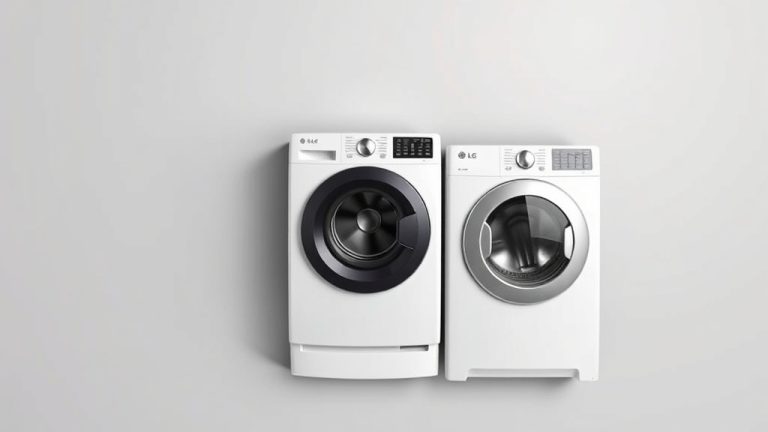
The LG WashTower earns the top spot in most comparisons we reviewed. It pairs a 4.5 cubic foot washer with a matching dryer in one unit. The design saves vertical space while delivering full-size performance.
Owners consistently praise its drying ability. Many report that towels and jeans come out completely dry on the first attempt. That is the number one complaint with most combos, and LG solved it.
The center control panel is another smart touch. It puts all buttons at eye level. No more crouching down to fiddle with dials on a front-loading machine.
Samsung Combo Options: Smart and Connected
Samsung offers a strong alternative with its Bespoke line. These units match your decor with customizable colors and finishes. They also pack in the most smart features of any combo we found.
The AI OptiWash feature detects fabric types and soil levels. It automatically selects the right cycle. You just toss in clothes and press start. The machine handles the thinking.
People love the SmartThings app integration. You can start, stop, or monitor a load from work. Alerts tell you when cycles finish, so you never leave damp clothes sitting overnight.
How to Match a Combo to Your Living Space
Measure everything before you fall in love with a model. Combos are tall, usually 70 to 80 inches. Most need a standard 27-inch-wide opening, but some are wider. Always check the spec sheet.
Look at your doorways too. A combo has to fit through them to reach your laundry area. Measure the path from your front door to the hookup location. This simple step prevents a very frustrating delivery day.
Think about clearance. Front-loading doors swing open, so leave space in front. You also need a few inches on the sides for airflow. A cramped alcove can affect drying performance.
Electrical and Plumbing Requirements
Most combos plug into a standard 120-volt outlet. This is a huge advantage over separate dryers, which often need 240-volt wiring. You rarely need an electrician for a combo install.
Water connections are usually the same as a standard washer. One hot and one cold supply line. The drain hose connects to your standpipe or laundry sink. Simple and familiar.
For ventless models, you need a drain nearby. The machine pumps condensed water into the drain. Make sure your setup can handle the extra water flow.
Ventless Setup: What You Need to Know
Ventless combos are the easiest to install anywhere. No duct work is required. You only need power and water. This flexibility makes them perfect for apartments and condos.
One catch: they take up to 40 percent longer to dry. Energy Star guidelines highlight that ventless dryers use less energy but run longer cycles. Factor that into your daily routine.
Capacity Guide: Matching Drum Size to Your Load
Capacity is not just about how much you can stuff inside. It affects how well clothes dry. An overcrowded drum traps moisture and leads to wrinkled, damp results. Leave some breathing room.
Singles and couples do fine with a 2.5 to 3.5 cubic foot drum. Families of four or more should look at 4.5 cubic feet and up. This size handles a full load of towels without cramming.
For bulky items, bigger is better. A 4.5 cubic foot drum fits a king-sized comforter. Smaller units struggle with bedding, forcing you to wash it separately or at a laundromat.
Here is a quick comparison of common drum sizes:
| Drum Size | Best For | Typical Load |
|---|---|---|
| 2.3-3.0 cu ft | Singles, couples | Small daily loads |
| 3.5-4.0 cu ft | Small families | Full loads, some bulky items |
| 4.5+ cu ft | Families, big bedding | Large loads, comforters |
Match the size to your household. You want efficiency, not a machine that runs all day to keep up with a king-sized blanket.
Reliability and Longevity: What Owners Report
No appliance lasts forever, but some last longer than others. We found that LG and Samsung combos earn high marks for reliability. Owners report five to seven years of trouble-free use on average.
Regular maintenance extends the life of your machine. Clean the lint filter after every load. Wipe the door gasket to prevent mold. Run a cleaning cycle once a month. Small habits prevent big repairs.
Many guidelines recommend professional servicing every couple of years. A technician can inspect belts, seals, and heating elements. This is like changing the oil in your car. It prevents costly breakdowns later.
Shopping Checklist for Your Combo Purchase
You want to get this right the first time. Use this quick checklist when you compare models. It covers the essentials that most owners wish they had considered earlier.
- Measure your space: width, height, depth, and door swing clearance
- Confirm vent availability: exterior vent or ventless condenser setup
- Check power requirements: 120-volt standard or 240-volt needed
- Compare drying times: look for models under 90 minutes per load
- Review spin speeds: aim for 1,200 RPM or higher for faster drying
- Look for smart sensors that auto-adjust cycles based on load
Take this list to the store. It helps you cut through the marketing noise and focus on what matters for your daily routine.
Budgeting for a Quality Washer Dryer Combo
Combo units cost more upfront than separate machines. Expect to pay between 1,200 and 2,500 dollars for a quality model. Premium units with heat pumps and smart features can exceed 3,000 dollars.
Consider long-term savings. Heat pump models use less energy per load. Energy Star rated appliances can save you up to 100 dollars a year on utility bills. That adds up over time.
Watch for sales around major holidays. Memorial Day, Labor Day, and Black Friday often bring 20 to 30 percent discounts. Financing options with zero interest are common, making premium models more accessible.
In the end, the top rated washer dryer combo is the one that fits your space and your lifestyle. Measure carefully, compare drying performance, and choose a reliable brand. Your laundry routine will thank you.
Conclusion
Finding the top rated washer dryer combo comes down to matching the machine to your space and your laundry habits. The LG WashTower leads the pack for its drying power and reliable performance. Ventless models work anywhere, but vented units save you time. Smart sensors and larger drums make daily loads easier.
You do not need the most expensive model on the market. You need the one that fits your measurements and handles your family’s workload. Start by measuring your space and checking your vent setup. Then compare drying times and spin speeds. That is the smartest way to buy with confidence.
Frequently Asked Questions
How long does a washer dryer combo take to wash and dry?
A full cycle usually takes between two and four hours. Vented models finish faster than ventless ones. Heat pump ventless models are the slowest because they run cooler and recycle air. Expect about 90 minutes for washing, plus another hour or two for drying.
Can you wash a load and dry a load at the same time in a combo?
No, you cannot run separate cycles at the same time. A combo unit uses one drum for both washing and drying. You have to wait for the wash cycle to finish before drying starts. It is a sequential process, not a parallel one.
Do washer dryer combos require special detergent?
You should use high-efficiency (HE) detergent in any combo unit. Regular detergent creates too many suds, which can confuse the machine’s sensors. HE detergent cleans well with fewer bubbles. It also helps prevent residue buildup in the condenser and drum.
Are washer dryer combos worth it for large families?
Yes, but you need a model with at least 4.5 cubic feet of capacity. Smaller drums force you to run multiple loads, which defeats the time-saving purpose. A larger drum handles full loads of towels and bedding. Just be prepared for longer cycle times compared to separate machines.
How much does it cost to run a washer dryer combo per load?
Most vented models cost between 30 and 50 cents per load. Heat pump ventless models run cheaper, often around 15 to 30 cents. Your electricity rate and water heater efficiency affect the final number. Energy Star rated units save the most money over time.