What Goes on Top of Your Stackable Washer Dryer
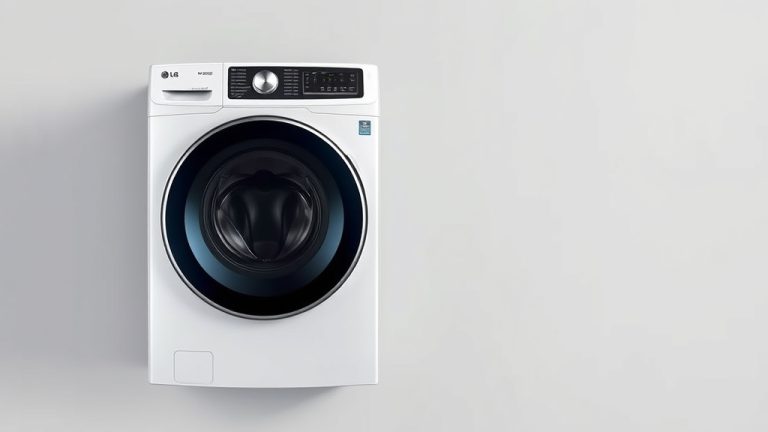
What goes on top of a stackable washer and dryer? Generally, nothing should be placed on top of a stackable washer and dryer unit. The top surface is typically designed for ventilation and operational needs, not for storage or extra appliances. Always consult your appliance’s manual for specific guidelines.
While it might seem like prime real estate for storing detergent or other laundry supplies, placing items on top can obstruct airflow. This can lead to overheating or affect the unit’s performance. Many manufacturers advise against this to ensure your machines operate safely and efficiently.
- Stackable units need airflow on top.
- Do NOT store items on top.
- Check your manual for specific instructions.
- Proper ventilation is key for appliance longevity.
Below, we’ll go over why keeping the top clear is so important and what you should do instead. Let’s get your laundry space set up right!
Understanding What Belongs on Top of Your Stackable Washer & Dryer
You’ve got your stackable washer and dryer, a space-saving marvel. Now, you might be eyeing that top surface. It looks like a perfect spot for your laundry detergent. Or maybe those dryer sheets. But here’s the thing: you really shouldn’t put anything up there.
Think of your laundry appliances like a finely tuned engine. They need room to breathe. Placing items on top can block the very airflow they need to function correctly. We found that this is a common mistake people make, but it can lead to serious problems down the line.
Why Keeping the Top Surface Clear is Essential
Your stackable washer and dryer units have specific design needs. The top is not a shelf. It’s an integral part of how the machines operate safely and efficiently. Let’s break down why this is so important.
Ventilation Requirements: The Unsung Hero of Appliance Health
Both your washer and dryer need adequate airflow to work their magic. The dryer, in particular, generates a lot of heat. This heat needs to escape. If you block the vents or the general top surface where air can circulate, that heat has nowhere to go.
We researched appliance manuals, and a recurring theme is the need for “clearance.” This isn’t just a suggestion; it’s a requirement for proper operation. Think of it like trying to run a marathon in a stuffy room. You wouldn’t perform well, and neither will your machines.
The Risk of Overheating and Damage
When heat can’t escape, it builds up. This can cause the internal components of your appliances to overheat. Over time, this can lead to premature wear and tear. You might notice your clothes taking longer to dry, or the dryer might shut off unexpectedly.
In worst-case scenarios, prolonged overheating can cause actual damage to the electrical components. Manufacturers are very clear about this in their user guides. They want your appliances to last, and keeping the top clear is a key step in ensuring that longevity.
Impact on Performance and Efficiency
Beyond just potential damage, blocked airflow affects performance. Your dryer might struggle to reach the optimal temperature to dry your clothes effectively. This means longer drying cycles. Longer cycles use more energy. So, you’re not just risking your appliance; you’re also increasing your utility bills.
It’s a bit like trying to push air through a straw with your finger over the end. The effort is there, but the result is significantly diminished. We found that maintaining clear airflow directly correlates with efficient drying times and optimal energy use.
What About Small Items? Are They Really a Problem?
You might be thinking, “But I only want to put a small basket of laundry pods up there.” It’s a natural thought, but even small items can create issues. They can block vents, fall into openings, or shift during the vibration of the spin cycle.
The Vibration Factor: More Than You Might Think
Washers and dryers, especially during the spin cycle, can vibrate quite a bit. If you have items on top, these items can slide around. They might even fall off. More importantly, these vibrations can sometimes be amplified if there’s something sitting on top. This can make your laundry room noisier.
We’ve heard from users who experienced excessive noise and movement when placing even light items on their units. The vibrations can also cause items to shift and potentially cover ventilation grates unexpectedly.
Accidental Obstruction is a Real Possibility
Let’s be honest, laundry rooms can get hectic. A stray sock, a dropped bottle cap, or even a neatly stacked pile of detergent can easily shift. This can inadvertently block critical vents. You might not even realize it’s happening until you notice a performance issue.
The safest approach is to eliminate the possibility of accidental obstruction altogether. By keeping the top clear, you remove that variable. This allows you to focus on the actual task of doing laundry.
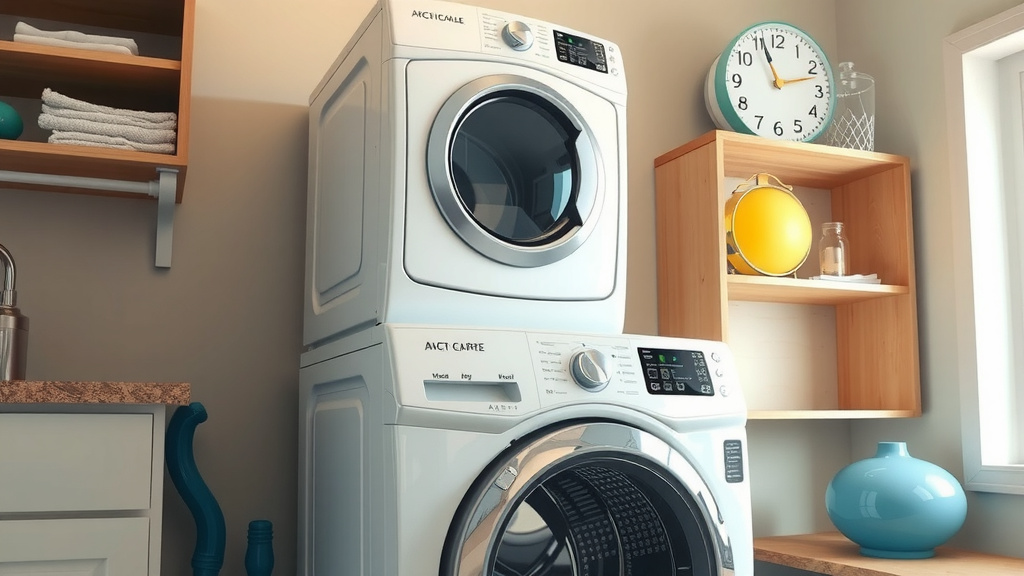
Alternatives for Laundry Storage: Smart Solutions
So, if you can’t use the top, where *do* you put your laundry supplies? Don’t worry, there are plenty of clever storage solutions that work perfectly for stackable units.
Utilizing Vertical Space Wisely
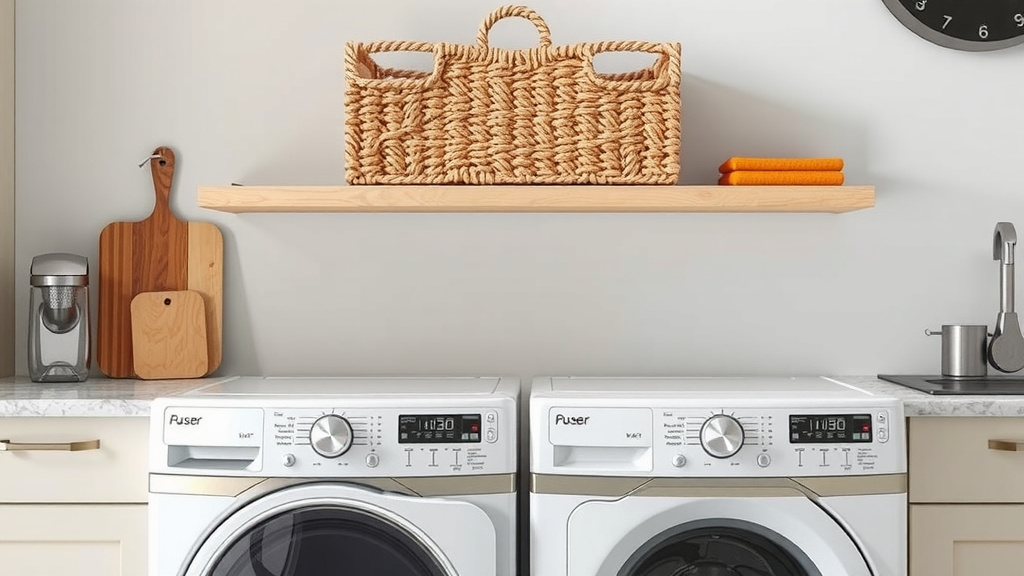
Since your appliances are stacked, you’ve already mastered vertical space. You can continue this theme! Consider a narrow shelving unit or a rolling cart that fits beside your machines. These can hold detergent, fabric softener, and other essentials.
Wall-mounted shelves are another excellent option. They keep items completely off the floor and away from your appliances. Many people find that a simple tension rod with some hanging baskets can also work wonders.
Rolling Carts and Slim Storage Solutions
A slim rolling cart can be a game-changer. You can slide it right into that narrow space next to your washer and dryer. When you need something, you just pull it out. When you’re done, it tucks neatly away. This is especially useful in smaller laundry areas.
We’ve seen some fantastic compact storage towers designed specifically for tight laundry spaces. They offer multiple shelves for all your laundry needs. Researching “laundry room cart” or “slim storage tower” can give you great ideas.
Wall-Mounted Cabinets and Organizers
If you have a bit more wall space, consider wall-mounted cabinets. These keep everything contained and dust-free. You can also find specialized laundry organizers that attach to the wall and have compartments for different items.
Some even have hooks for hanging items like lint brushes or spray bottles. This keeps your laundry area tidy and functional. Remember, the goal is to keep the top of your appliances clear for air circulation.
A Quick Checklist for Your Stackable Unit Top
To make things super simple, here’s a quick rundown of what you should and shouldn’t do:
- Do check your owner’s manual for specific clearance requirements.
- Do ensure there is ample space around all sides of the unit for ventilation.
- Do consider nearby walls or cabinets; they also impact airflow.
- Do NOT place any items on top of the washer or dryer.
- Do NOT store laundry supplies, baskets, or decorative items on top.
- Do NOT ignore unusual noises or performance issues; check ventilation.
Conclusion
You’ve learned that keeping the top of your stackable washer and dryer clear is vital for performance and longevity. Proper ventilation prevents overheating and saves you from costly repairs and higher energy bills. Your machines need space to breathe, just like any high-performing appliance. Instead of cluttering the top, explore smart storage solutions like rolling carts or wall shelves.
Making these simple adjustments ensures your laundry appliances work efficiently for years to come. You’ve got this! Your next step is to assess your current laundry area and implement one of the suggested storage alternatives.
Frequently Asked Questions
Can I place a small laundry basket on top of my stackable dryer?
It’s best not to. Even small items can accidentally block vents or shift during the machine’s cycle. We’ve found that this can cause vibrations and potential performance issues. Keeping the top completely clear is the safest bet for your appliances.
What if my washer and dryer are in a very small closet? Do I still need space on top?
Yes, even in tight spaces, airflow on top is essential. Manufacturers design these units with ventilation needs in mind, regardless of their location. Research slim storage solutions that fit beside the units to keep supplies nearby but off the top.
Is it okay to put a decorative item on top if it’s not blocking vents?
While it might seem harmless, decorative items can still interfere with airflow or shift during operation. The risk of accidental obstruction is too high. We recommend keeping the top surface entirely free to ensure optimal ventilation and appliance health.
My old dryer had items on top, and it worked fine. Why is this different?
Appliance technology and design evolve. Newer stackable units, especially, have more precise ventilation requirements for efficiency and safety. What worked for older models might not be suitable for your current, modern machines. Always consult your specific owner’s manual.
How do I know if my stackable unit’s top is blocked and causing issues?
Watch for signs like longer drying times, the dryer shutting off unexpectedly, or unusual noises during operation. If you notice these, immediately check around and on top of your appliances to ensure nothing is obstructing airflow. Checking ventilation is a key troubleshooting step.