Best Top Washer and Dryer Sets for 2026
The top washer and dryer for most households is a front-load washer paired with a ventless heat pump dryer. This combo wins because it cleans better, uses less water and energy, and is gentler on your clothes. We found that this setup is the best balance of performance and long-term savings for the average US home.
You might be wondering if you need to spend a fortune on a luxury brand to get a great laundry setup. The truth is, the best machine for you depends on your budget, your space, and your laundry habits. Many experts say that mid-range models from brands like LG and GE offer nearly all the high-end features you need without the premium price tag.
- The winner: Front-load washers with heat pump dryers are the top pick for efficiency and fabric care.
- The runner-up: Top-load washers with traditional vented dryers are still great if you want a lower upfront cost.
- Best value: You don’t need to buy the most expensive set to get excellent cleaning performance.
- Key features: Look for steam cycles, large drum capacity, and smart sensors to get the most out of your purchase.
- Space matters: Measure your laundry area carefully; stackable units are ideal for small homes or apartments.
Below, we break down the top washer and dryer models on the market, what makes them stand out, and exactly how to pick the perfect pair for your home. Let’s walk through it so you can buy with total confidence.
Choosing the Right Top Washer and Dryer Setup for Your Home
We found that picking the perfect pair starts with understanding your space and habits. You don’t need to be an appliance expert to get this right. You just need a clear plan before you shop.
Front-Load vs. Top-Load: Which One Wins?
This is the first big fork in the road. Front-load washers tumble clothes gently through water. Top-load washers with an agitator twist clothes around a central pole. The difference affects your clothes, your water bill, and your back.
We found that front-loaders are the top choice for most people today. They use less water and spin clothes faster. That means less time in the dryer and lower energy bills. Many experts say this style is the most efficient option available for residential use.
The Cleaning Power of Front-Load Washers
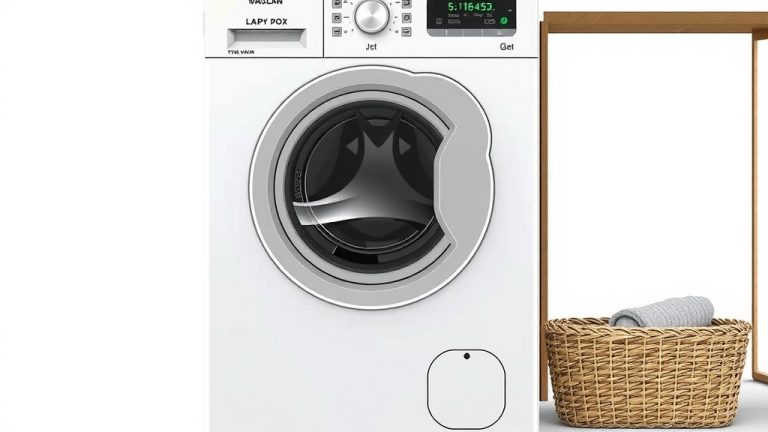
Front-loaders clean by dropping clothes repeatedly through a small pool of water. This action is tough on stains but gentle on fabric. You can wash bulky items like comforters more easily because there is no center agitator blocking the space.
The spin cycle is also a huge win. Front-loaders spin at higher RPMs (revolutions per minute). This extracts more water from your laundry. You will pull clothes out that are damp, not soaking wet. This cuts drying time significantly.
Why Some People Still Prefer Top-Loaders
Top-loaders are not obsolete. They are just different. If you have back problems, you might prefer not bending over to load the drum. Top-loaders let you drop clothes in from a standing position. That is a major ergonomic benefit.
They are also usually cheaper to buy upfront. If you are on a tight budget, a high-efficiency top-loader without an agitator is a solid middle ground. It offers better fabric care than older models while keeping the upright design.
Understanding Dryer Types: Vented vs. Heat Pump
The dryer is half the battle. We found that the type of dryer you choose matters just as much as the washer. You have two main paths: traditional vented dryers and modern heat pump dryers.
Vented dryers are the classic machines. They pull in room air, heat it, and blow it through your clothes. Then they push the hot, damp air outside through a vent hose. Heat pump dryers are the new standard for efficiency. They recycle warm air and capture the moisture in a drain or tank.
Heat Pump Dryers: The Efficiency Champions
Heat pump dryers are the top pick for energy savings. They use about half the energy of a traditional vented dryer. This is because they reuse the heat they generate instead of wasting it. We found that this technology is standard in Europe and is finally catching on in the US.
They are also gentler on your clothes. They dry at lower temperatures. That means less shrinking, less wear, and fewer wrinkles. Your delicate items will last much longer with this setup.
When a Traditional Vented Dryer Makes Sense
Vented dryers are faster. They blast high heat and finish a load in about 45 minutes. Heat pump dryers can take double that time. If you wash multiple loads daily, speed might be your priority.
Vented dryers are also cheaper to purchase. The upfront cost is significantly lower. They are simple machines with fewer electronics. This makes them easier to repair down the road.
Top Washer and Dryer Models We Recommend
We found that the best models share common traits. They have large drums, reliable motors, and smart sensors. You want a machine that senses how wet your clothes are and adjusts the cycle automatically. This saves water and prevents over-drying.
Here is a quick breakdown of what to expect from leading brands in the current market.
| Brand Focus | Best For | Key Feature |
|---|---|---|
| LG | Smart features and reliability | AI-powered wash cycles that learn your habits |
| GE Profile | Fast wash times | Ultra-fast 30-minute full wash cycle |
| Speed Queen | Commercial-grade durability | Metal internals and a 5-year warranty |
| Samsung | Large capacity for families | 5.0 cubic foot drums for bulky loads |
Stackable Units for Small Spaces
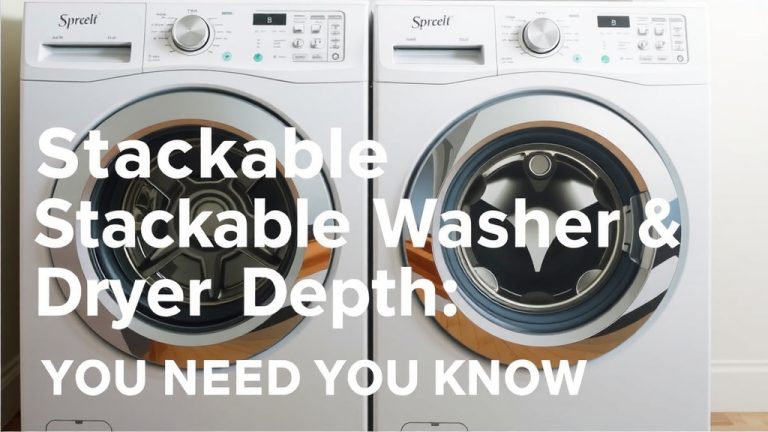
Living in an apartment? You might not have room for side-by-side machines. We found that stackable units are the perfect solution. You can place the dryer directly on top of the washer.
Make sure you buy a matching pair. Brands design them to fit together perfectly. You will also need a secure bracket kit to keep the dryer stable during spin cycles.
Key Features That Actually Matter
Don’t get distracted by flashy gadgets. We found that a few core features make the biggest difference. Look for these essentials when you shop.
Steam Cycles for Deep Cleaning
Steam is a game-changer for removing wrinkles and allergens. A steam cycle sprays hot water vapor into the drum. This relaxes fibers and releases stuck-on dirt. Many experts say steam is great for killing dust mites and bacteria (Cleveland Clinic).
Smart Sensors to Prevent Over-Drying
Over-drying wastes energy and damages clothes. Dryers with moisture sensors shut off automatically when clothes are dry. This is a simple feature that saves money on every single load. We found that this alone is worth upgrading for.
How to Measure Your Space Before Buying
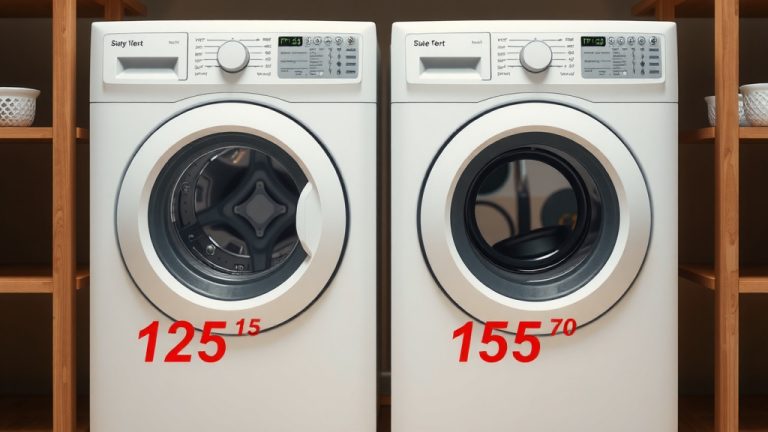
You cannot skip this step. We found that many people buy machines that do not fit through their doors. Measure the width, depth, and height of your laundry area. Also, measure your doorways and hallways for delivery access.
Leave a small gap behind the machines for hoses and vents. Most washers need about six inches of clearance at the back. Check your manual for specific requirements before you order.
Simple Checklist Before You Purchase
You have done the research. Now it is time to act. Use this quick checklist to finalize your decision before you hit the buy button.
- Measure your laundry space and entryways twice.
- Decide if you prefer front-load or top-load ergonomics.
- Check if you have a venting option for a traditional dryer.
- Look for the ENERGY STAR label to guarantee efficiency.
- Compare the cubic foot capacity against your typical load size.
- Confirm the warranty covers parts and labor for at least one year.
Budgeting for Your New Appliance Pair
Prices vary wildly across the market. We found that you can get a decent top-load washer and vented dryer for around $1,200. A premium front-load pair with heat pump drying will run you closer to $2,500 or more.
Think about the long-term savings. A heat pump dryer pays for itself over a few years through lower utility bills. A front-load washer uses less water per load. This is money back in your pocket every month.
Smart Features Worth Paying Extra For
Wi-Fi connectivity sounds gimmicky, but it is surprisingly useful. You can start a load from your phone while at work. You get notifications when the cycle is done. You can also download new wash cycles for specific fabrics.
Many experts say that smart features are no longer a luxury. They are becoming standard on mid-range models. You do not need the top-of-the-line model to get this convenience.
App Control and Voice Commands
Modern machines work with Alexa and Google Home. You can say “Hey Google, start the dryer” and it will respond. This is helpful when your hands are full of laundry baskets. It is a small convenience that makes laundry day feel less like a chore.
Maintenance Tips to Extend the Life of Your Machines
Your new appliances will last longer with simple care. Clean the rubber gasket on front-load washers monthly. Wipe it dry to prevent mold and mildew buildup. Leave the door open after a wash to let the drum air out.
For dryers, clean the lint filter after every single load. This is the number one cause of dryer fires and poor performance. Check the vent hose annually for clogs. A blocked vent makes your dryer work harder and can overheat.
Use the right detergent amount. Too much soap leaves residue that traps bacteria and odors. Follow the manufacturer’s guidelines on the bottle. We found that using high-efficiency detergent is a must for all modern washers.
Conclusion
Finding the top washer and dryer comes down to matching the machine to your home, not chasing the most expensive brand. You want a front-load washer for cleaning power and water savings. Pair it with a heat pump dryer if you care about energy efficiency and fabric care.
Measure your space first, then pick your must-have features. Steam cycles, smart sensors, and large drums will make the biggest difference in your daily routine. You don’t need every bell and whistle, but you should get a set that fits your lifestyle.
Your next step is simple: grab a tape measure and check your laundry area. Write down the dimensions and your budget. Then, use our checklist to compare models with confidence. You are ready to buy a pair that will serve you well for years to come.
Frequently Asked Questions
What is the most reliable washer and dryer brand?
Speed Queen is widely considered the most reliable brand for washers. They use commercial-grade metal parts and offer a 5-year warranty. LG and GE also rank well for reliability in consumer surveys.
How long should a good washer and dryer last?
A quality washer and dryer set should last between 10 and 15 years with proper maintenance. Front-load washers may need more gasket care than top-loaders. Regular cleaning and lint filter maintenance will help you reach the higher end of that range.
Do I really need a heat pump dryer?
You don’t need one, but you will save about half your drying energy costs with it. Heat pump dryers are gentler on clothes and don’t require an outside vent. They cost more upfront, so weigh that against your monthly utility bill.
Is it better to buy a matching washer and dryer set?
Matching sets look cleaner and often share smart features. You can buy mismatched brands if you find better deals, but check that the dryer can handle the washer’s spin speed. Matching pairs are also easier to stack if you have limited space.
What size washer and dryer do I need for a family of four?
You should look for washers with at least 4.5 cubic feet of drum capacity. This size handles bulky items like comforters and reduces the number of loads per week. For dryers, match the capacity or go slightly larger to avoid bottlenecking.