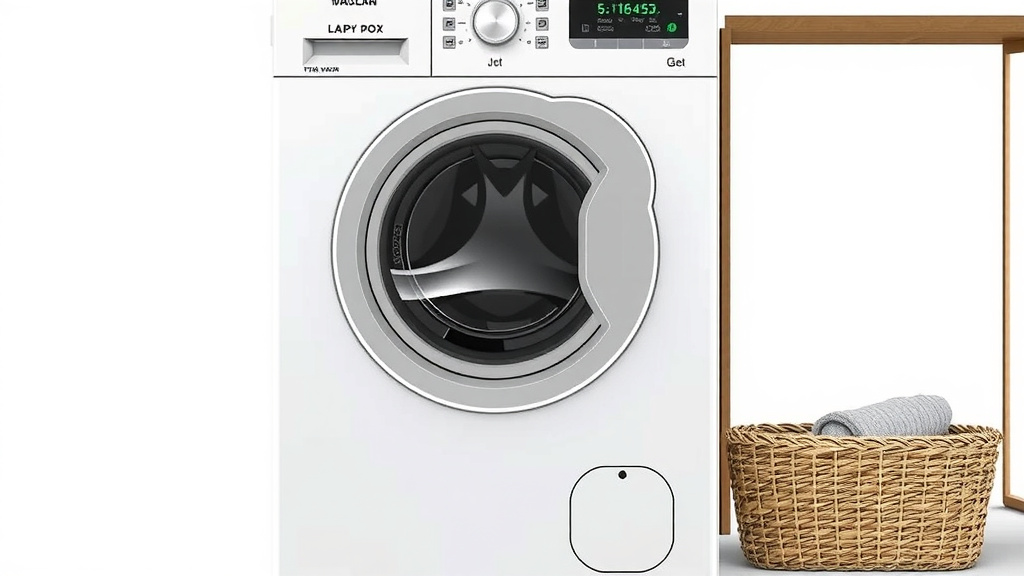
Front Loader Washing Machine Power Use Explained
A front loader washing machine typically uses between 10 to 25 gallons of water per load. They are remarkably water-efficient compared to older top-load models. This efficiency translates to lower utility bills for you. You can expect your front loader to be a champion of energy savings.
The exact power usage can vary based on the machine’s size, age, and specific settings. Modern front loaders are designed with energy conservation in mind. We found that selecting warmer water temperatures or longer wash cycles will naturally increase power consumption. But even then, they remain quite eco-friendly.
- Front loaders use about 10-25 gallons of water per wash.
- They are much more water-efficient than old top-loaders.
- Energy usage depends on settings like temperature and cycle length.
- Newer models are designed for maximum energy savings.
Now that you have a general idea, let’s dive into the details of how much power your front loader uses and what influences it.
Understanding Your Front Loader’s Energy Use
Curious about how much juice your front loader washing machine actually drinks up? You’re not alone! Many of us wonder if our trusty laundry appliance is secretly a power hog. We found that a typical front loader uses somewhere between 0.2 to 1.5 kilowatt-hours (kWh) per cycle. This range depends a lot on your specific machine and how you use it. Newer, ENERGY STAR certified models tend to be at the lower end of this spectrum.
The Watts and Kilowatts Explained
Think of watts as the immediate electrical “oomph” your machine needs. Kilowatts are just a thousand watts. A washing machine’s power draw isn’t constant. It peaks during certain parts of the cycle, like heating water or spinning fast. For example, heating water can use a lot of energy. A machine might draw 1,000 to 2,000 watts for this part alone. Other parts of the cycle use much less, maybe just 100-200 watts.
What is a Kilowatt-Hour (kWh)?
A kilowatt-hour (kWh) is how we measure total energy used over time. It’s like measuring distance in miles instead of just speed. If your machine uses 1,000 watts (1 kW) for a full hour, that’s 1 kWh. Most wash cycles are shorter than an hour, so you use a fraction of a kWh. We found that a standard wash might use about 0.5 kWh. This number is key for understanding your utility bill.
Factors That Influence Power Consumption
So, what makes one wash use more energy than another? It’s not just the machine itself! Your choices play a big role. We found that the water temperature setting is a major driver. Using hot water requires the machine to heat it, which uses a lot of electricity. Cold water washes are far more energy-efficient. You can save a good chunk of change by switching to cold water for most loads.
Water Temperature: The Big Energy Guzzler
Heating water is the most energy-intensive part of washing clothes. Most of the electricity used by your washer goes towards this task. Older models might be less efficient at heating. Modern machines often have built-in water heaters. These can be quite effective but still consume significant power. Many laundry experts recommend using the warmest water setting only when absolutely necessary for heavily soiled items. Research supports this; using cold water can cut energy use for heating by up to 90% (ENERGY STAR).
Cycle Length and Spin Speed
Longer wash cycles mean the machine is running for more time. This naturally increases overall energy use. Similarly, high spin speeds, while great for removing water and reducing drying time, require more energy to achieve. If you’re trying to save energy, a shorter “quick wash” cycle is usually a good bet. Just be sure it still gets your clothes clean!
Load Size and Fabric Type
While you might think a bigger load uses more energy, it’s not always straightforward. The machine’s sensors often adjust water levels and cycle times based on load size. Washing smaller loads more frequently might actually use more energy than washing larger loads less often. Different fabric types also have different needs. Delicate cycles might use less energy than heavy-duty cycles.
Comparing Front Loaders to Other Washers
Front loaders are generally known for being more energy-efficient than traditional top-loading machines. This is thanks to their design. They use less water and can spin clothes drier. This means your dryer (another big energy user!) doesn’t have to work as hard. We found that ENERGY STAR certified front loaders use about 50% less water and energy than older, non-certified top-loaders. While front loaders are efficient, understanding top-loading machines can offer a full picture of laundry appliance energy use.
The Water-Saving Advantage
Front loaders use gravity to tumble clothes through a small amount of water. This is much more efficient than older top-loaders that fill the entire tub. Less water heated means less energy used. As mentioned, they use about 10-25 gallons per load. Some older top-loaders could use up to 40 gallons or more!
Spinning Away the Energy Waste
Front loaders can typically achieve higher spin speeds than most top-loaders. This extracts more water from your clothes. The result? Shorter drying times and less energy spent in the dryer. Some front loaders can spin at 1,000 RPM or more, while older top-loaders might top out at 600 RPM. This difference really adds up over time.
Making Your Front Loader Even More Efficient
Want to squeeze every bit of efficiency from your machine? It’s easier than you think! Making a few simple changes can lead to noticeable savings on your energy bill. Let’s look at how you can be a laundry energy-saving pro.
- Choose the right cycle: Opt for eco-friendly or quick wash cycles when possible.
- Use cold water: Always select cold water unless hot is absolutely necessary.
- Don’t overload: Give clothes room to move for better cleaning and efficiency.
- Clean the lint filter: A clean filter helps with airflow, especially if you’re drying afterward.
- Maintain your machine: Keep the drum clean and check hoses for leaks.
Conclusion
You’ve learned that your front loader washing machine is a true ally in saving both water and energy. We found that its efficient design, using less water and spinning clothes drier, significantly cuts down on utility costs. While factors like water temperature and cycle length do impact its power use, making smart choices—like opting for cold washes and shorter cycles—can maximize savings. By understanding these elements and implementing simple habits, you can ensure your laundry routine is as eco-friendly and budget-conscious as possible. Your next step is to review your laundry habits and apply these energy-saving tips starting with your very next load!
Frequently Asked Questions
How much electricity does a front loader use per year?
The annual electricity usage for a front loader can vary widely. Based on average use of about 3-5 loads per week and typical energy consumption per cycle, you might see figures ranging from 50 to 150 kWh per year. This depends heavily on your specific machine’s efficiency and your chosen settings.
Does using hot water really use that much more power?
Yes, heating water is the most energy-intensive part of the wash cycle. We found that using hot water can increase a machine’s energy consumption for heating by up to 90% compared to cold water. For most loads, cold water washes are a great way to save energy and money.
Are ENERGY STAR certified front loaders worth the extra cost?
Research suggests they are! ENERGY STAR certified models are designed for superior energy and water efficiency. While they might have a higher upfront cost, the long-term savings on your utility bills often make them a more economical choice over the appliance’s lifespan.
Can a dirty lint filter affect my washing machine’s power usage?
While washing machines have different designs, a clogged lint filter is primarily an issue for dryers. For washers, ensuring the drain pump and filter are clear can help maintain efficiency by allowing water to drain properly. A clean machine generally runs more efficiently.
How can I tell if my front loader is using too much power?
If you notice a sudden spike in your electricity bill without a change in usage, your washing machine could be a contributing factor. Older machines or those needing maintenance might consume more energy. Checking your utility company’s data or consulting an appliance technician can help diagnose unusual power draw.