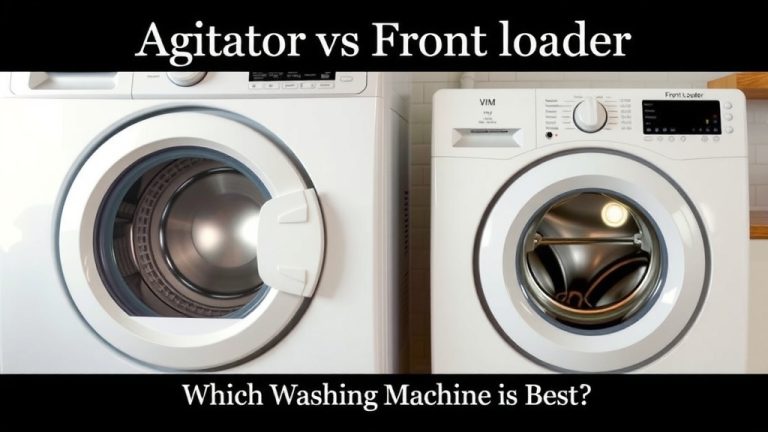
Biggest Washing Machine Capacities Explained Clearly
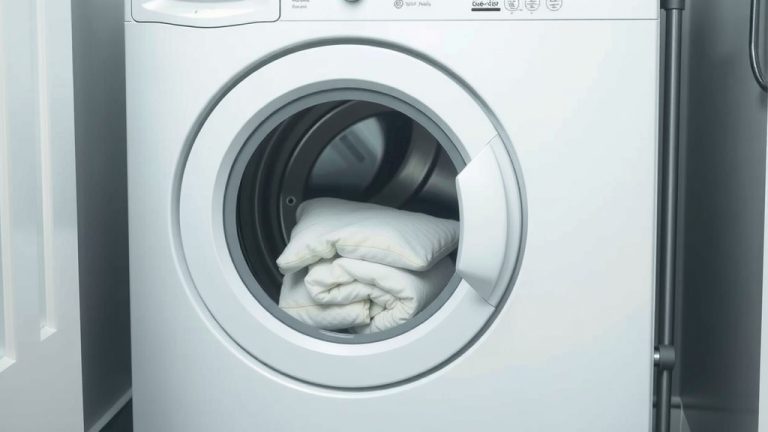
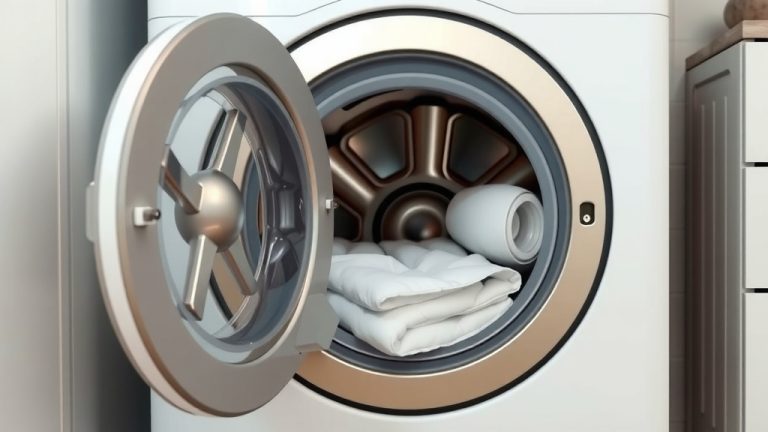
The biggest washing machine you can buy for a home is generally a front-load washer with a capacity of 5.0 to 6.0 cubic feet. These massive machines, often from brands like LG, Samsung, and Whirlpool, are designed to handle heavy loads like king-size comforters and bulky blankets. If you want the absolute maximum drum space available on the consumer market, that 5.0 to 6.0 cu ft range is where you will find it.
We found that capacity is measured in cubic feet, and it directly tells you how much laundry you can stuff inside. While commercial machines can be bigger, they aren’t practical for a standard US laundry room. For most families, a top-load washer maxes out around 4.5 to 5.0 cubic feet, but a front-loader gives you that extra room without taking up as much vertical space.
- Biggest size: The largest residential washers are front-loaders at 5.0 to 6.0 cubic feet.
- What fits: These giants handle king-size comforters, multiple blankets, and 20+ towels in one go.
- Max capacity: Most top-loaders stop at 5.0 cu ft, while front-loaders hit up to 6.0 cu ft.
- Physical size: Bulky loads require a deeper drum; check your laundry room’s depth for the new appliance.
- Best pick: Look for models with large-capacity cycles and steam features to get the most out of that space.
Now, let’s walk through the exact measurements, the best models we found, and a few things you should measure in your home before you commit to one of these laundry giants.
Finding the Biggest Washing Machine for Your Home
We found that the search for the biggest washing machine usually leads you straight to front-loaders. These models win on drum space because they don’t waste room on a center agitator or a tall column for the lid.
You get a deep, wide tub that lays flat. That design lets you wash bulky items that would never fit in a standard top-loader. Think of it like the difference between a sedan trunk and a minivan cargo area. The front-load washer gives you that extra square footage.
Understanding Cubic Feet and What It Means for You
Capacity is the most important number to look at. It tells you the total volume of the drum. A bigger number means you can physically fit more clothes inside the machine.
For context, a standard compact washer sits around 2.3 to 2.5 cubic feet. A regular top-loader usually falls between 3.5 and 4.5 cubic feet. The giants we are talking about start at 5.0 and go up to 6.0 cubic feet.
Many experts say that for a family of four, you need at least 4.5 cubic feet. But if you want to wash a king-size comforter or several heavy blankets at once, you need that 5.0-plus territory.
Front Load vs. Top Load Capacity Limits
We found that top-loaders with a center agitator are limited by physics. The central post takes up valuable space. Even the largest top-loaders without an agitator max out around 5.0 cubic feet.
Front-loaders are different. They have a horizontal drum that can be made much deeper and wider. Brands like LG and Samsung pack up to 5.5 and 6.0 cubic feet into these machines. That is why the biggest washing machine is almost always a front-loader.
Current Models With the Largest Drum Sizes
So, which specific machines are holding the title for the biggest washing machine right now? We have researched current lineups to give you the top contenders.
These models are often called “mega capacity” or “extra-large” by their manufacturers. They are pricey, but they replace the need for a trip to the laundromat for big bedding.
LG and Samsung Leading the Pack
LG’s front-loaders often top the charts. We found that their largest model typically offers 5.8 to 6.0 cubic feet of space. That is enough room to wash a massive king comforter without it balling up.
Samsung is right there with them. Their biggest models hit the 5.7 to 6.0 cubic feet mark. These machines use clever drum designs to maximize the interior floor space so clothes tumble freely.
Whirlpool and GE Options
Whirlpool has some big models too, but they usually stop around the 5.0 to 5.3 cubic feet range. They are still huge, but they lag slightly behind the Korean brands in pure volume.
GE Profile also offers a few large front-loaders. We found that they focus more on smart features than raw drum size. Still, they offer 5.0 cubic feet in their top-tier models.
| Brand | Max Capacity (cu ft) | Type |
|---|---|---|
| LG | 5.8 – 6.0 | Front Load |
| Samsung | 5.7 – 6.0 | Front Load |
| Whirlpool | 5.0 – 5.3 | Front Load |
| GE Profile | 5.0 | Front Load |
| Speed Queen | 3.5 | Front Load |
We found that Speed Queen makes heavy-duty machines. But they prioritize durability over capacity. You would give up a full cubic foot or more of space to get that commercial-grade build.
Physical Dimensions You Have to Measure
Before you fall in love with a 6.0 cubic foot washer, you need to look at the outside measurements. A bigger drum almost always means a bigger machine.
Most of these large front-loaders are about 27 to 28 inches wide. The depth is where things get tricky. Some are 32 inches deep, while others go all the way to 34 or 35 inches.
Why Depth Matters for Your Laundry Room
You need to check if the machine fits under a countertop. Most standard laundry counters are 36 inches high. A big front-loader is usually 38 to 39 inches tall, so it wont slide under standard counters.
You also need about 1 to 2 inches of clearance behind the unit for the water hoses. If your laundry room is tight, that extra 4 inches of depth from a 6.0 cu ft model is a huge deal. You might need to choose a 5.0 cu ft model instead just to fit the physical box.
Stacking and Venting Requirements
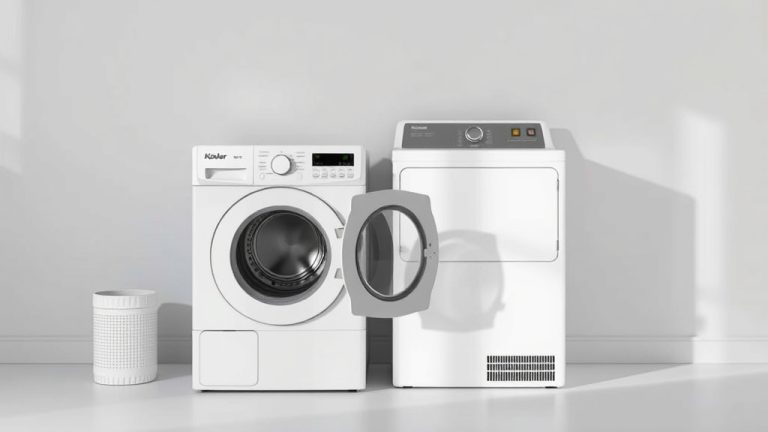
Many people stack their dryer on top of the washer to save floor space. That works well with front-loaders because the controls are in front.
Just remember that a 6.0 cu ft washer holds a lot of wet clothes. When you lift them out, the weight is heavy. A top-loader lets you avoid bending down. This is a trade-off you have to accept with the largest machines.
Real-World Loads You Can Wash
Empty space in a drum doesn’t help you if the machine can’t clean the load properly. We found that larger drums need a good amount of clothes to function well. They also need special wash patterns to handle the volume.
You should think about the size of your family. We found that a 5.0 cu ft washer easily handles a king comforter with room to spare for sheets. A 6.0 cu ft model takes on two sets of queen sheets plus a pile of towels in one go.
A Practical Capacity Checklist
Use this checklist to decide if you truly need the biggest washing machine:
- Family size: You have five or more people living at home.
- Bulky items: You wash king-size comforters and heavy quilts weekly.
- Pet owners: You wash large dog beds or crates pads regularly.
- Curtains: You prefer washing large draperies at home instead of dry cleaning.
- Laundry days: You want to reduce laundry day from 6 loads to 3 loads.
- Garage use: You have space for the extra depth and height.
If you checked most of these boxes, you are a great candidate for the biggest model.
The “Too Big” Problem With Large Washers
We found that bigger is not always better for everyone. If you only wash small loads, a huge drum can cause your clothes to clump on one side. This throws off the balance sensors.
The machine will add extra water and time to re-balance the load. This wastes energy and beats up your clothes. Many experts say that a drum should be at least one-third full to get a proper clean. If you don’t have the volume to fill it, you are just paying for extra space you don’t use.
Conclusion
So, the biggest washing machine for your home is a front-loader in the 5.0 to 6.0 cubic foot range. LG and Samsung are the current leaders, with models that can swallow a king-size comforter or an entire week of family laundry in one go.
You now know that capacity is the number to watch. You also know that physical depth matters just as much as drum volume. Measure your laundry space before you buy.
Take a quick look at your family’s laundry habits. If you wash bulky items often and want to cut your number of loads in half, one of these giants is worth it. If you mostly wash small loads, stick with a 4.5 cubic foot model and save the money.
Frequently Asked Questions
Is a 6.0 cubic foot washer the biggest you can buy?
Yes, for residential homes, 6.0 cubic feet is the top of the market right now. We found that LG and Samsung both offer models in this range. You won’t find a bigger drum from any major appliance brand for home use.
Can the biggest washing machine clean a king-size comforter?
Absolutely. A washer with 5.0 cubic feet or more will handle a king comforter with room to spare. We found that a 5.5 to 6.0 cubic foot model gives you enough space to add a set of sheets at the same time.
Will a huge washer fit in a standard closet?
Most standard laundry closets are 28 to 30 inches wide, so a big front-loader will fit on width. The problem is depth. We found that large models can be up to 35 inches deep, which means you need a closet with about 36 inches of floor space.
What is the weight limit for a 6.0 cubic foot washer?
The weight capacity depends on the fabric type, but experts generally say a 6.0 cubic foot machine can handle about 35 to 40 pounds of dry laundry. That’s roughly 20 to 25 bath towels or two full sets of king bedding. Check your model’s manual for the exact number.
Do I need a special dryer for the biggest washing machine?
You don’t need a special dryer, but you should match it with a large-capacity dryer. We found that a standard 7.0 to 7.5 cubic foot dryer pairs well with a 5.5 to 6.0 cubic foot washer. If your dryer is too small, you’ll end up pulling wet clothes out in batches anyway.