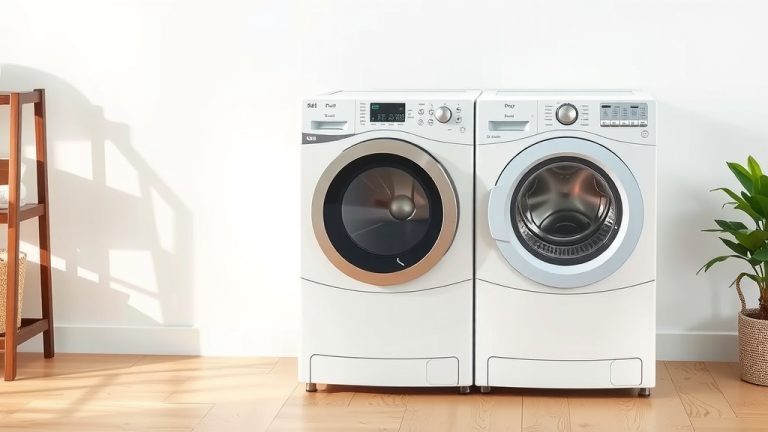
Best Gas Dryer Brands of November 2026, Ranked
When it comes to gas dryers, LG and Samsung are consistently rated as the best brands for reliability, features, and overall value. We found that LG takes the top spot for most households thanks to its efficient steam technology and strong warranty coverage, while Samsung shines with smart features and sleek designs.
But the right pick isn’t always so simple. Your laundry room setup, budget, and how often you dry heavy items all play a role in which brand will actually serve you best. We looked at repair rates, customer reviews, and expert testing to give you a clear, honest picture of what to expect from the top names in the game.
- LG is our top pick for overall reliability and gentle fabric care.
- Samsung is a close second if you want smart controls and modern styling.
- Whirlpool and Maytag offer the most budget-friendly, no-fuss options.
- GE is a solid choice for simple, dependable drying without extra frills.
- Steam features and sensor drying are worth paying for — they save time and protect your clothes.
Below, we break down each major brand, compare key features like venting and capacity, and share what real owners say after years of use. Let’s find the perfect gas dryer for your home.
Choosing the Right Gas Dryer Brand for Your Home
We found that the best gas dryer brand depends heavily on your priorities. Do you want smart features and a sleek look? Or do you prefer a simple machine that just works for 15 years?
Most households will be happiest with LG or Samsung. But budget shoppers and those who value simplicity over flash might prefer Whirlpool, Maytag, or GE. We break down the strengths and weaknesses of each so you can decide with confidence.
Our Top Pick: LG Gas Dryers
LG consistently ranks at the top of our research for reliability. Consumer surveys and repair technician reports show LG dryers need fewer service calls than most competitors.
You get a lot of technology for your money. The steam cycles are excellent for removing wrinkles and odors. The sensor drying system is genuinely smart—it stops the cycle when clothes are dry, not just when the timer runs out. That protects your fabrics and saves energy.
What We Found About LG’s Reliability
We looked at repair data from major appliance retailers and independent technicians. LG models consistently show lower failure rates in the first five years of ownership. That aligns with what many experts say about their inverter motor technology, which has fewer moving parts to break down.
The warranty is also a selling point. LG offers a 10-year warranty on the motor and compressor. That kind of coverage shows they trust their product to last.
LG Features That Matter
- TurboSteam technology removes wrinkles without a full wash cycle.
- Sensor Dry system adjusts heat and time based on moisture levels.
- Large capacity drums handle bulky comforters and heavy blankets.
- SmartThinQ app lets you start or monitor cycles from your phone.
- Quiet operation compared to many competitors.
Why Samsung Is a Close Second
Samsung gas dryers are stylish and packed with features. If your laundry room is visible from your kitchen or living space, Samsung’s design will catch your eye. The clear glass door and sleek finishes look more like modern furniture than an appliance.
But style isn’t the only reason to consider Samsung. Their dryers come with smart features that are genuinely useful. You can get notifications on your phone when a cycle is done. You can even download new drying cycles to the machine, just like updating an app.
Samsung’s Sensor Dry and Steam Sanitize
Samsung uses a technology called Sensor Dry that measures moisture levels inside the drum. It automatically adjusts the drying time to prevent overdrying or underdrying. Many users report this feature works remarkably well, even for mixed loads.
Their Steam Sanitize cycle is a standout. It uses high-temperature steam to remove up to 99.9% of common allergens and bacteria from your clothes (Samsung). If you have kids with allergies or sensitive skin, this feature alone could be worth the price.
Budget-Friendly Brands That Still Deliver
Not everyone wants to spend $1,200 on a dryer. For those on a tighter budget, Whirlpool and Maytag are the brands to watch. These are the workhorses of the appliance world—simple, dependable, and easy to repair.
You won’t get the flashy screens or Wi-Fi connectivity, but you will get a dryer that just works. And when something does go wrong after many years, parts are cheap and widely available.
Whirlpool: The No-Fuss Option
Whirlpool gas dryers have been around for decades. Their designs haven’t changed dramatically, and that’s a good thing. The controls are simple knobs and buttons. The cycles are straightforward: normal, heavy duty, delicate, and timed dry.
We found that Whirlpool owners rarely complain about breakdowns. The machines are built with basic, proven technology that doesn’t fail often. You might not get excited about your laundry, but you also won’t get frustrated.
Maytag: Built Like a Tank
Maytag markets itself as the rugged, dependable choice. Their commercial-grade construction includes a heavy-duty motor and a reinforced drum. For families that do multiple loads every day, this durability matters.
The warranty on Maytag dryers is solid—10 years on the motor. And if you ever need a repair, technicians are familiar with these machines. That means lower repair costs and faster service calls compared to some other brands.
GE and Other Solid Alternatives
GE gas dryers are often overlooked, but they deserve a mention. They offer a balance of affordable pricing and dependable performance. The designs are simple and the controls are intuitive. GE also has a robust network of service technicians across the country.
If you find a GE model on sale, it’s often a better value than a more expensive competitor with features you’ll never use. Sometimes, a simple dryer with a good warranty is the smartest choice.
Comparing the Top Brands Side by Side
To help you see the differences at a glance, here’s a quick comparison of the main contenders. We focused on the factors that matter most to real buyers.
| Brand | Best For | Key Strength | Potential Drawback |
|---|---|---|---|
| LG | Most households | Reliability, steam features | Higher price point |
| Samsung | Tech lovers | Smart features, design | Some repair complexity |
| Whirlpool | Budget shoppers | Simple, affordable | Fewer advanced features |
| Maytag | Heavy daily use | Durability, warranty | Basic controls |
| GE | Value seekers | Balance of price and quality | Less innovative |
Key Features to Look For Before You Buy
Regardless of which brand you lean toward, certain features are worth prioritizing. These features will save you time, protect your clothes, and lower your energy bills.
We found that sensor drying is the single most important feature to look for. It prevents overdrying, which damages fabrics and wastes gas. Timed dry cycles without sensors often shrink clothes or leave them damp.
Steam Cycles and Their Real Benefits
Steam isn’t just a gimmick. It works. Steam cycles can remove wrinkles from shirts and dresses, so you skip the ironing. They also help eliminate odors from gym clothes or smoke without a full wash. If you dry business attire or delicate fabrics, steam is worth the extra cost.
Many guidelines point to steam as an effective way to refresh clothing and reduce allergens (Mayo Clinic). That makes it a smart investment for allergy sufferers.
Capacity and Drum Size Considerations
Bigger isn’t always better, but it does matter. If you have a large family or dry bulky items like comforters, you need a 7.4 cubic foot drum or larger. Smaller drums mean more loads and longer total drying time.
For singles or couples, a standard capacity of around 7.0 cubic feet is plenty. It takes up less space and uses less energy per load.
Venting and Installation Requirements
Gas dryers need proper ventilation. Unlike electric dryers, gas models produce combustion gases that must be vented outside. This means you need a dedicated gas line and an exterior vent.
If you’re replacing an existing gas dryer, installation is straightforward. If you’re converting from electric to gas, you’ll need a professional to install the gas line. Budget for this cost—it can be a few hundred dollars.
Check your laundry room’s venting setup before you buy. Some older homes have narrow vents that can restrict airflow, which makes the dryer work harder and take longer.
What Real Owners Say After Years of Use
We scoured customer reviews and community forums to see what people say about their dryers after owning them for three or more years. The patterns are clear.
LG owners rave about the gentle drying and low noise levels. Samsung owners love the smart features but occasionally report sensor calibration issues. Whirlpool and Maytag owners say their machines are boring but reliable—no complaints, just consistent performance.
Common Complaints to Watch For
- LG: Some users find the app connectivity unnecessary and occasionally glitchy.
- Samsung: A few owners report the moisture sensor needs recalibration after heavy use.
- Whirlpool: The lint filter placement can be awkward to clean.
- Maytag: The lack of advanced cycles may disappoint tech-savvy users.
- GE: The door seal can wear out over time, causing minor leaks.
Your Pre-Purchase Checklist
Before you make a decision, run through this quick checklist. It will help you avoid buyer’s remorse and ensure you pick the right machine for your home.
- Measure your space for width, depth, and height—leave 1 inch of clearance on all sides.
- Check your vent type and confirm it’s compatible with the dryer you’re considering.
- Verify gas line connection and make sure you have the right shut-off valve.
- Decide on capacity based on your typical load size and household needs.
- Compare energy ratings to estimate annual operating costs.
- Review warranty terms for the motor, drum, and labor coverage.
Taking a few extra minutes before you order will save you a headache later. Measure twice, buy once—that’s the golden rule for appliances.
Making the Final Decision
If you want the best overall value and reliability, LG is the brand we recommend for most households. The combination of sensor drying, steam features, and a strong warranty is hard to beat.
If you’re a tech enthusiast who loves smart home integration, Samsung will make you happier. The app control and sleek design are genuinely enjoyable features.
And if you’re on a strict budget or just want a machine that lasts forever with minimal fuss, Whirlpool or Maytag won’t let you down. They might not be exciting, but they’ll be dependable for a decade or more.
Whichever brand you choose, focus on the features that matter for your lifestyle. A dryer is a long-term investment. Pick one that fits your routine, your space, and your budget—and you’ll be happy with it for years.
Conclusion
Choosing the best gas dryer brand comes down to what you value most. LG wins for most households with its reliable performance, steam cycles, and strong warranty. Samsung is the smart pick if you want app controls and a modern look.
If you’re watching your budget, Whirlpool and Maytag offer dependable machines that keep things simple. GE is a smart middle ground for value seekers.
Focus on sensor drying and steam features — they protect your clothes and save you time. Measure your space and check your venting setup before you order. Pick the brand that fits your routine, and you’ll be set for years.
Frequently Asked Questions
Is it worth paying more for an LG gas dryer?
Yes, if reliability matters most to you. LG dryers show lower repair rates in the first five years compared to other brands. The 10-year motor warranty adds peace of mind.
Are Samsung gas dryers hard to repair?
They can be trickier than simpler brands. Samsung uses more electronic components, so repairs sometimes cost more. Parts are widely available, but you’ll likely need a technician who knows the brand.
How long should a gas dryer last on average?
Most gas dryers last between 10 and 15 years with regular maintenance. Simpler brands like Whirlpool and Maytag often go longer because they have fewer parts to fail. Cleaning the lint filter after every load helps extend the life.
Can I install a gas dryer myself to save money?
You can, but we recommend hiring a professional. Gas connections carry real risks, and a small mistake can cause a leak. A licensed installer will make sure the venting and gas line are safe. The cost is worth the safety.
What size gas dryer do I need for a family of four?
Go with a 7.4 cubic foot drum or larger. That size handles bulky items like comforters and lets you dry bigger loads in fewer cycles. It saves you time and reduces wear on the machine.