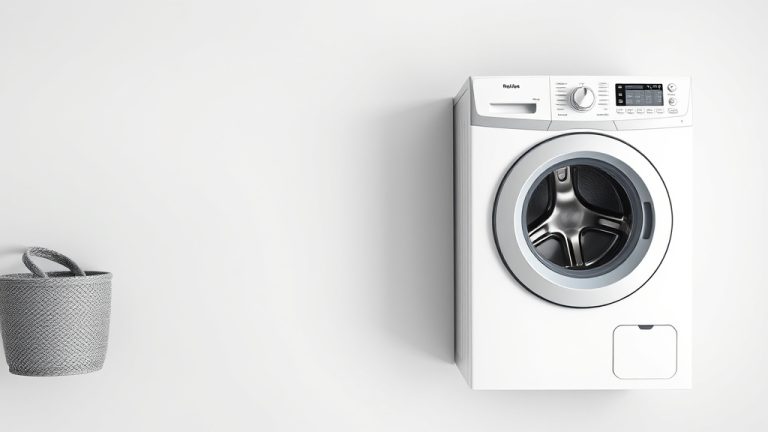
Best Clothes Dryer Types Compared for 2026
The best type of clothes dryer for most households is a vented electric dryer. It is affordable, easy to install, and gets clothes dry fast. We found that vented electric dryers offer the best balance of price and performance for the average American home.
Of course, your choice depends on your laundry room setup and budget. Heat pump dryers are gentler but cost more. Gas dryers are cheaper to run but need a gas line. You should also weigh upfront costs against long-term energy savings. The right dryer fits your space, your wiring, and your laundry habits.
- Vented electric dryers are the most common, most affordable, and easiest to install.
- Heat pump dryers are the most energy-efficient but have the highest upfront cost.
- Gas dryers cost less to operate, but they require a dedicated gas hookup.
- Condenser dryers are a good choice when you have no outside vent.
- Pay attention to capacity and sensor drying features to prevent overdrying and save energy.
Below, we break down every type of clothes dryer so you can pick the right one for your home, your budget, and your laundry load. We keep it simple and help you compare the pros and cons step by step.
Choosing the Right Clothes Dryer for Your Home
You want a dryer that keeps up with your family, fits your space, and doesn’t wreck your utility bill. The best pick for you depends on three things: your hookups, your budget, and how you do laundry. Let us walk you through the main types so you can decide with confidence.
The Four Main Dryer Types Explained
Every dryer falls into one of four categories. Each one works differently and costs differently. We compared them all so you don’t have to guess.
Vented Electric Dryers
This is the standard dryer you see in most American homes. It pulls in room air, heats it, and blows it through your clothes. The moist air then escapes through a vent hose to the outside.
Many experts say vented electric dryers are the most reliable choice for the average family. They are cheap to buy, simple to fix, and quick to dry heavy loads like jeans and towels. The only catch is that they need an outside vent and a 240-volt outlet, which most newer homes already have.
Heat Pump Dryers
Heat pump dryers are the cool kids of the laundry world. They reuse hot air instead of pushing it outside. This makes them super efficient and gentle on your clothes.
We found that heat pump dryers use about 50 percent less energy than vented electric models. They also run at lower temperatures, so your favorite shirts last longer. The downside? The upfront cost is steep. And they take longer to dry a load, sometimes twice as long as a vented dryer.
Gas Dryers
Gas dryers look just like electric ones, but they run on natural gas. They heat up fast and dry loads quicker than electric models. Many people find that gas dryers are cheaper to run over a few years.
One big issue: you need a gas line in your laundry room. If you don’t have one, installation can get pricey fast. Gas dryers also cost more upfront than vented electric models.
Condenser Dryers
Condenser dryers are a lifesaver when you have no outside vent. They pull moisture out of the air and collect it in a water tank. You just empty the tank after each load.
These are common in apartments and older homes. They are easy to install almost anywhere, but they are less efficient than heat pump models. You may also need to empty the water reservoir frequently, which is a small chore you won’t forget.
Dryer Types at a Glance
| Feature | Vented Electric | Heat Pump | Gas | Condenser |
|---|---|---|---|---|
| Upfront cost | Lowest | Highest | Medium | Medium |
| Operating cost | Medium | Lowest | Low | High |
| Installation needs | 240V outlet + vent | Standard outlet | Gas line + vent | Standard outlet |
| Drying time | Fast | Slow | Fastest | Medium |
| Best for | Most homes | Energy savers | Large families | Apartments |
Match the Dryer to Your Laundry Room Setup
Your home’s layout often decides which dryer wins. There is no point buying a gas dryer if you only have an electric hookup. Let us help you work with what you have.
Do You Have an Outside Vent?
Take a quick peek behind your current dryer. If you see a round silver hose going through the wall, you have a vent. That means you can use vented electric or gas dryers with ease.
If there is no vent, your options shrink. You will need a condenser or heat pump dryer. These do not push air outside, so they work in tight spaces. Many apartment dwellers research and found that condenser dryers solve their venting problems completely.
Check Your Power Source
Gas dryers need a natural gas line. If you have one, great. If not, skip gas entirely. Electric dryers just need a standard 240-volt outlet (that is the big one with the weird plug).
Heat pump and condenser dryers run on a standard 120-volt outlet, just like a toaster. That makes them perfect for older homes or laundry rooms that lack heavy-duty wiring.
Compare Costs: Upfront vs. Long-Term Savings
Price tags can be misleading. A cheap dryer might cost you more in energy bills over time. Let us break down the real numbers you should think about.
Upfront Purchase and Installation Costs
Vented electric dryers are the budget winner. You can grab a solid model for around 500 to 800 dollars. Gas dryers cost a bit more, and heat pump dryers start near 1,200 dollars. Condenser dryers fall somewhere in the middle.
Installation costs vary too. A simple plug-and-play electric dryer might cost nothing if you do it yourself. Gas dryers may need a professional, which adds 150 to 300 dollars. That is worth remembering when you set your budget. Many experts say you should factor in installation before comparing prices.
Energy Use and Your Monthly Bill
Heat pump dryers are the clear winners here. They use less energy because they recycle heat instead of making new heat. Over a year, you might save 100 dollars or more compared to a vented electric dryer.
Gas dryers are also cheap to run. Natural gas costs less than electricity per unit of heat. If you dry a lot of laundry, gas can save you real money each month. Condenser dryers are the least efficient, so expect a slightly higher bill.
Lifespan and Repair Costs
Vented electric dryers are simple machines. Fewer parts mean fewer breakdowns. Repairs are usually cheap and quick. Gas dryers are also sturdy but require a technician for any gas-related issue, which costs more.
Heat pump dryers have more complex parts, like compressors and pumps. When they break, repairs can be expensive. Many guidelines recommend checking reviews for reliability before buying (Consumer Reports style research and systematic surveys).
Think About Your Laundry Habits and Family Size
Your daily routine matters more than you think. A single person drying a few shirts has different needs than a family of six tackling towels and bedding. Let us help you match the dryer to your lifestyle.
Capacity: How Big Should Your Drum Be?
Dryer capacity is measured in cubic feet. Smaller dryers hold about 5 to 6 cubic feet, while large ones go up to 7.5 or more. A family of four should look for at least 7 cubic feet to handle bulky items like comforters.
If you have a king-sized duvet or heavy curtains, go bigger. Research and found that an oversized load in a small drum leads to poor drying and wasted energy. The clothes just tumble around in a ball and stay damp in the middle.
Sensor Drying vs. Timed Drying
Sensors are a real game-changer. They measure moisture levels in the drum and stop the cycle when clothes are dry. That means no more guesswork and no more overdried towels that feel like sandpaper.
Timed cycles just run for a set amount of time. You have to check the clothes yourself. If you forget, you might bake your shirt. We strongly suggest getting a dryer with moisture sensors. It is one feature worth paying extra for.
Noise and Vibration Levels
If your dryer sits next to a bedroom, noise matters. Vented electric and gas dryers make a steady whooshing sound. Heat pump dryers run quieter but can hum loudly during the heat cycle.
Condenser dryers are the quietest option overall. They also vibrate less, which helps if you have a second-floor laundry room. Many people place a rubber mat under the dryer to cut down on shaking. That’s a simple fix that works for any model.
Which Dryer Is the Best for You?
Here is a quick checklist to guide your decision. You can test your situation against each point.
- Choose a vented electric dryer if you have a vent and want the least expensive all-around option.
- Pick a heat pump dryer if you care about energy savings and have 1,200 dollars or more to spend.
- Go with a gas dryer if you already have a gas hookup and dry several loads every day.
- Select a condenser dryer if your laundry room has no outside vent and no 240-volt outlet.
- Prioritize sensor drying to lower energy use and protect your clothes. You should also check the drum size fits your largest comforters.
- Check the warranty and read recent owner reviews for any model you consider.
Placement and Maintenance Tips for Any Dryer
Getting a great dryer is only half the battle. Setting it up right and cleaning it regularly will keep it running for years. Here are some simple habits to build.
Vent Care for Vented Dryers
Your vent hose can clog with lint over time. A blocked vent makes drying slower and creates a fire hazard. Clean the lint trap after every single load. Deep clean the vent hose at least twice a year.
Many guidelines suggest you check the outside vent flap too. If it gets stuck, moist air stays trapped. Keep it clear of bird nests and debris. We found that simple cleaning prevents most dryer issues.
Water Tank Duties for Condenser Dryers
Remember that water tank? Empty it after each cycle. If you forget, the dryer shuts off mid-cycle. Some models have a drain hose you can install, sending water right into a sink or floor drain. That is a nice upgrade if you hate chores.
Air Filter Checks on Heat Pump Dryers
Heat pump dryers have a filter plus a secondary condenser unit. Both need regular cleaning. Dust buildup on the condenser coils reduces efficiency over time. A quick wipe with a soft cloth every month keeps things running smoothly.
Many owners set a phone reminder for monthly maintenance. It is a small habit that saves big money down the road. And with all dryer types, always unplug the unit before cleaning parts.
Weigh the Trade-Offs and Make the Call
No dryer is perfect for everyone. Vented electric dryers win on price and simplicity. Heat pump dryers win on efficiency and garment care. Gas dryers win on speed and long-term savings. Condenser dryers win on flexibility for tight spaces.
Write down your laundry room’s hookups first. Then set your budget. Then think about your family size. The right answer will become obvious when you line these up. We recommend most people start with a vented electric dryer. It is the safest bet for the average American home, offering a great balance of cost, performance, and ease.
If saving energy is your priority, invest in a heat pump model. The savings add up over time, and your clothes will thank you. Just be ready for the higher sticker price and slower cycles. Either way, you are making a smart upgrade that saves you hours every week.
Conclusion
You now have the full picture. Vented electric dryers remain the best starting point for most homes because they balance price, speed, and simplicity. Heat pump dryers make sense if you want lower energy bills and gentler care for your clothes. Gas dryers are great when you already have the hookup and dry heavy loads daily. Condenser dryers solve venting problems in apartments and tight spaces.
Take the next step right now. Check your laundry room for a vent and a 240-volt outlet, then set a budget. If everything points to a vented electric model, you can buy with confidence. If you want maximum efficiency, save up for a heat pump model. Either choice beats keeping a dryer that struggles with your family’s laundry week after week.
Frequently Asked Questions
How long should a clothes dryer last?
Most dryers last between 10 and 15 years with regular care. Vented electric dryers often last longer because they have fewer moving parts. Heat pump dryers may need repairs sooner due to their compressors and complex components. Clean your lint trap and vent to maximize any dryer’s lifespan.
Can I install a dryer myself or do I need a professional?
You can install a vented electric dryer yourself if the outlet and vent are already in place. Just plug it in, attach the vent hose, and level the feet. Gas dryers always need a licensed professional because gas line connections carry serious risks. Heat pump and condenser dryers only need a standard outlet, but moving them can be tricky due to weight.
Is it cheaper to run a dryer at night?
That depends on your utility company and rate plan. Many providers offer lower electricity rates during off-peak hours, usually at night. Check your energy bill to see if you have a time-of-use plan. If you do, running your dryer after 9 p.m. could save you a decent amount each month.
Why does my dryer take two cycles to dry clothes?
Slow drying usually points to a clogged lint filter, a blocked vent hose, or an overloaded drum. Clean the lint trap after every load and inspect the vent hose for kinks or buildup. Try drying smaller loads to let air circulate properly. If the problem continues, the heating element might be failing.
Are dryer sheets bad for your dryer?
Dryer sheets are fine for vented dryers, but they can clog heat pump models. The fabric softener coating builds up on the condenser coils and moisture sensors. This makes the dryer less efficient over time. If you own a heat pump dryer, switch to wool dryer balls instead.