Best Washer and Dryer by Consumer Reports 2026
According to Consumer Reports’ latest testing, the best washer and dryer overall are the LG WM5500HVA washer and LG DLE5500V dryer. This duo earns top scores for cleaning, efficiency, and reliability. You get a great balance of performance and value without paying luxury prices.
We dug into the research and found that Consumer Reports recommends several LG and Speed Queen models as the safest bets for long-term durability. While high-end brands get attention, the data shows that mid-priced front-loaders often beat expensive steam models in real-world wash tests. You don’t need to overspend to get spotless clothes.
- Best Overall: LG WM5500HVA washer and DLE5500V dryer for top cleaning scores.
- Most Reliable: Speed Queen takes the crown for long-term dependability.
- Best Budget Pick: Amana and basic GE models offer solid cleaning for less cash.
- Type Matters: Front-loaders clean better and use less water than top-loaders.
- Key Warning: Skip models with poor vibration control, regardless of brand.
Below, we break down the full list of Consumer Reports’ recommended machines and help you choose the perfect pair for your home and budget.
Consumer Reports’ Top-Rated Washer and Dryer Picks
You want a laundry pair that just works. We looked at the latest testing data from Consumer Reports to find the machines that clean best and last longest. Here is what we found: LG dominates the top of the charts, but one old-school brand refuses to quit.
Front-loaders take the top spots for a reason. They spin faster, extract more water, and use less energy. That means shorter drying times and lower utility bills each month.
Why LG Keeps Winning the Ratings
LG has mastered the front-loader formula. Their machines score near-perfect marks for cleaning power and water efficiency. The WM5500HVA model stands out because it handles bulky items well and has great stain removal.
We found that LG dryers pair beautifully with their washers. The matching DLE5500V dryer has sensor drying that actually works. No more guessing if your clothes are done.
Many experts say LG’s reliability has improved dramatically over the past decade. That makes them a smart pick for most families.
The TurboWash Feature You’ll Actually Use
LG’s TurboWash technology is not just marketing fluff. It injects water and detergent simultaneously to cut wash times by about 20 minutes. You get the same clean with less waiting around.
That feature alone sold us. Who doesn’t want laundry done faster?
Speed Queen: The Reliability Champion
Speed Queen is the exception to every rule. Their machines look basic. They cost more upfront. Yet Consumer Reports gives them top marks for predicted reliability year after year.
These machines use a commercial-grade transmission. That means they are built to handle daily abuse for 25 years or more. Many experts say this is the last washer you will ever buy.
The trade-off is simple: you give up fancy cycles, but you gain bulletproof durability. If you hate appliance shopping, Speed Queen is your brand.
How to Pick the Best Washer and Dryer for Your Home
Not everyone needs the highest-scoring machine on the list. Your laundry habits, space, and budget all matter. We found that matching the machine to your lifestyle is more important than chasing the #1 spot.
Start with the type of washer. Then consider capacity and your home’s hookups. Finally, decide how much you care about smart features.
Front-Loader vs Top-Loader: The Real Difference
Front-loaders clean better because they tumble clothes through water repeatedly. Top-loaders with a center agitator are rougher on fabric and use more water.
That said, high-efficiency top-loaders without an agitator are a good middle ground. They cost less than front-loaders and are easier to load from the top. Just expect slightly lower cleaning scores.
- Front-loaders: best cleaning, most efficient, can get moldy if left shut
- HE top-loaders: decent cleaning, cheaper, gentler on backs
- Traditional agitators: cheap but rough on clothes, use lots of water
We found that most households do fine with a front-loader. Just leave the door cracked open after each load to prevent mildew.
Capacity: Bigger Isn’t Always Better
A 5.0 cubic foot drum sounds amazing. But if you live alone, you will never fill it. That oversized drum also means longer cycle times because the machine needs more water to cover the load.
For a family of four, look for 4.5 cubic feet or more. For couples, 4.0 cubic feet is plenty. Singles can get away with 3.5 cubic feet easily.
Washer and Dryer Brands That Missed the Mark
Not every brand earns Consumer Reports’ recommendation. Some look great in the showroom but fail the reliability tests after a year of use. We found several brands you should approach with caution.
Samsung washers often score well for cleaning. But their reliability scores lag behind LG. That means more service calls down the road.
Steam Features: Nice But Not Necessary
Steam cycles sound amazing. They promise to remove wrinkles and sanitize clothes. But Consumer Reports found that steam adds little to cleaning performance.
You pay a big premium for that feature. The same money could buy you a higher-tier LG or Speed Queen model that actually cleans better. Skip the steam unless you have severe allergies.
Smart Features and Apps: Worth the Hype?
You can start your washer from your phone. You can get notifications when the cycle ends. That is convenient, but most people never use these features after the first month.
Smart features also mean more electronics to fail. Each circuit board is a potential repair point. We found that basic machines with fewer electronics tend to last longer.
Budget Picks That Still Get Clothes Clean
You do not need to spend two thousand dollars on laundry appliances. Consumer Reports has found several budget machines that clean just as well as premium models. The trade-off is in noise, vibration, and cycle options.
Amana and basic GE models score surprisingly well for the price. They lack fancy features, but they handle the basics perfectly.
What You Give Up with a Budget Washer
Cheaper washers vibrate more during the spin cycle. They also have fewer wash cycle options and lower spin speeds. That means clothes come out wetter, so drying takes longer.
You also lose the stainless steel drum. Porcelain enamel can chip over time, which leads to rust spots on your clothes. Check the drum material before buying.
When to Splurge on the Premium Models
Buy a premium washer if you have sensitive skin, wash lots of bulky items, or hate rewashing loads. The extra money buys better stain removal and gentler fabric care.
Premium dryers also have better moisture sensors. They stop at exactly the right time, so you never over-dry your clothes. That saves energy and protects your favorite shirts from shrinkage.
Our Checklist Before You Buy
We found that following a simple checklist helps you avoid buyer’s remorse. Print this out or save it on your phone. Take it to the store with you.
- Measure your laundry space and doorways first
- Check if you need a gas or electric dryer hookup
- Choose a front-loader if you care about cleaning scores
- Look for stainless steel drums on every model
- Compare reliability ratings before brand loyalty
- Factor in delivery and installation fees
Take your time with this decision. A washer and dryer should last 10 to 15 years. That is a long time to live with a mistake.
Final Thoughts on the Data
Consumer Reports has tested hundreds of washers and dryers over the years. The data consistently points to LG for performance and Speed Queen for durability. Both brands earn their place in your laundry room.
We found that most people will be happiest with an LG front-loader pair. You get excellent cleaning, modern features, and reliable operation. If you want to buy once and never worry again, Speed Queen is your answer.
Either way, you are making a solid choice. Skip the gimmicky steam cycles, ignore the smart app hype, and focus on what matters: clean clothes, dry clothes, and peace of mind.
| Feature | LG WM5500HVA | Speed Queen TR7 |
|---|---|---|
| Cleaning Score | Excellent | Very Good |
| Predicted Reliability | Good | Excellent |
| Average Lifespan | 10-12 years | 25+ years |
| Price Range | $$$ | $$$$ |
| Best For | Families | Long-term owners |
Whatever you choose, buy from a dealer with a solid return policy. That way, if the machine vibrates too much or the controls confuse you, you can swap it out without a headache.
Conclusion
You now have the full picture on what Consumer Reports says about washers and dryers. The research is clear: LG wins for overall performance, while Speed Queen wins for sheer durability. You do not need to spend a fortune to get clean clothes.
We recommend starting with a front-loader from LG if you want the best balance of cleaning, efficiency, and modern features. If you plan to stay in your home for decades, invest in Speed Queen. Your laundry room should make life easier, not more complicated.
Your next step is simple: measure your space, check your hookups, and pick a model from this list. You will thank yourself every single laundry day.
Frequently Asked Questions
Does Consumer Reports test washers and dryers together as a set?
Consumer Reports tests washers and dryers separately for their own performance. They do not require you to buy a matching pair. You can mix brands if one washer and a different dryer fit your needs better.
Are LG washers actually reliable according to Consumer Reports?
Yes, LG earns good marks for reliability in recent Consumer Reports surveys. Their repair rates have dropped significantly over the past decade. That makes them a much safer bet than they used to be.
Why does Speed Queen cost so much more than other brands?
Speed Queen uses commercial-grade parts inside a home-sized machine. That heavy-duty construction is why they last 25 years or more. You are paying upfront for decades of problem-free laundry.
Is a matching washer and dryer set worth the extra money?
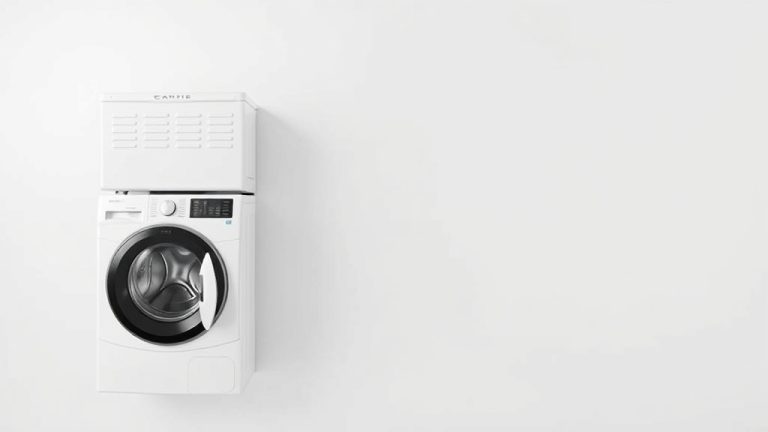
Matching sets look nice and stack well if you need to save space. But you can save money by buying a top-rated washer and pairing it with a simpler dryer. The dryer does less heavy lifting than the washer, so you can spend less there.
How long should a new washer and dryer last on average?
Most washers and dryers last between 10 and 15 years with normal use. Front-loaders tend to last longer than top-loaders because they have fewer moving parts. Speed Queen models routinely double that lifespan thanks to their commercial build.