How to Check Mattress Safety Before You Buy in November 2026
Yes, mattress safety is mostly about what you do with your bed, not the bed itself. The biggest risks come from fire hazards, suffocation for infants, and poor sleep posture that hurts your body. Your mattress is a tool, and using it correctly is the real key to staying safe.
We found that most safety concerns fall into three simple areas: keeping your sleep space clean, buying the right mattress for your age and health, and following basic setup rules. Many experts say that a safe mattress should be firm enough to support you, free from harmful chemicals, and placed on a solid, stable base. It is also about knowing when to replace an old, sagging mattress that can cause back pain or allergies.
- Fire safety: Always check the label for a compliant fire-resistant barrier. Don’t remove it.
- Infant safety: Put babies on a firm, flat mattress with a tight-fitting sheet. No pillows or soft bedding.
- Chemical exposure: Look for low-VOC and CertiPUR-US certified foams to reduce off-gassing smells.
- Posture support: A medium-firm mattress is best for most adults to prevent back and neck pain.
- When to replace: Swap out your mattress every 7 to 10 years, or sooner if it sags visibly.
Below, we break down everything you need to know about mattress safety in plain English, from picking the right one to keeping it safe for years. Let’s walk through the simple steps you can take starting tonight.
Keeping Your Sleep Surface Safe and Sound
You spend about a third of your life on your mattress. That makes it a pretty important piece of furniture. We found that most safety issues come down to how you set it up and maintain it, not just the mattress itself.
Think of your mattress like your car. You wouldn’t skip oil changes or ignore a flat tire. The same logic applies to your bed. A little routine care goes a long way.
The Hidden World Inside Your Mattress
New mattresses often have a distinct smell. That odor comes from chemicals used in the manufacturing process. We call it off-gassing.
This smell is not usually dangerous for most adults. But it can be annoying. The key is to let it air out before you sleep on it.
Understanding VOCs and Your Health
Volatile Organic Compounds, or VOCs, are gases released from certain solids or liquids. Many household items have them, including new carpets and paint.
Mattress foams can release VOCs. Research from the National Institutes of Health suggests that high levels of some VOCs can cause irritation. You might get a headache or a scratchy throat.
The fix is simple. Unwrap your new mattress in a well-ventilated room. Open a window and let it breathe for a day or two. You can even run a fan to speed up the process.
Choosing Lower-Chemical Options
If you are sensitive to smells, look for certifications. CertiPUR-US is a big one to know. It means the foam is made without certain heavy metals and flame retardants.
Another good label is GREENGUARD Gold. This certifies that a product meets strict chemical emission limits. Many experts say these are good markers for safer choices.
Organic mattresses are another route. They use natural materials like latex and wool. These tend to have much less off-gassing, but they also cost more.
Setting Up Your Bed for Maximum Safety
Your mattress needs a solid foundation. We found that the base you choose affects both safety and how long your mattress lasts.
A wobbly frame is a hazard. It can collapse under you in the night. Always check the weight limit on your bed frame to make sure it supports you and your partner.
Foundation and Box Spring Basics
Your mattress type dictates what base you need. Memory foam mattresses, for example, need a solid, flat surface. A box spring with slats is not enough for them.
Box springs are usually only for innerspring mattresses. They have coils that provide bounce. Foam mattresses need a solid platform bed or a bunkie board.
Here is a quick breakdown of what works best:
| Mattress Type | Ideal Base | Why It Matters |
|---|---|---|
| Memory Foam | Solid platform or slatted base with slats less than 3 inches apart | Prevents sagging and gives even support |
| Innerspring | Traditional box spring or solid base | Absorbs impact and extends mattress life |
| Latex | Solid platform or adjustable base | Provides firm support for heavy natural material |
| Hybrid | Box spring or solid platform | Needs support for both coils and foam layers |
Always check your mattress warranty. Many warranties are void if you use the wrong base. The manufacturer knows what their product needs to stay safe.
Fire Safety and Your Bedding
Federal law requires all mattresses to resist open flames. That is why they have a fire-resistant barrier. It is usually made of a material like fiberglass or a special fabric.
Never remove this barrier. It is there to protect you. Taking it off can expose the flammable foam inside.
Your bedding matters too. Loose sheets and heavy blankets can be a trip hazard if you get up in the night. Use fitted sheets that stay put.
Creating a Safe Sleep Space for Your Family
Safety rules are different for babies and kids. Their bodies are smaller and still growing. We found that the guidelines for infants are very strict for good reason.
The American Academy of Pediatrics has clear recommendations. A safe crib is a bare crib. That means no pillows, no blankets, and no stuffed animals.
Infant Mattress Safety Rules
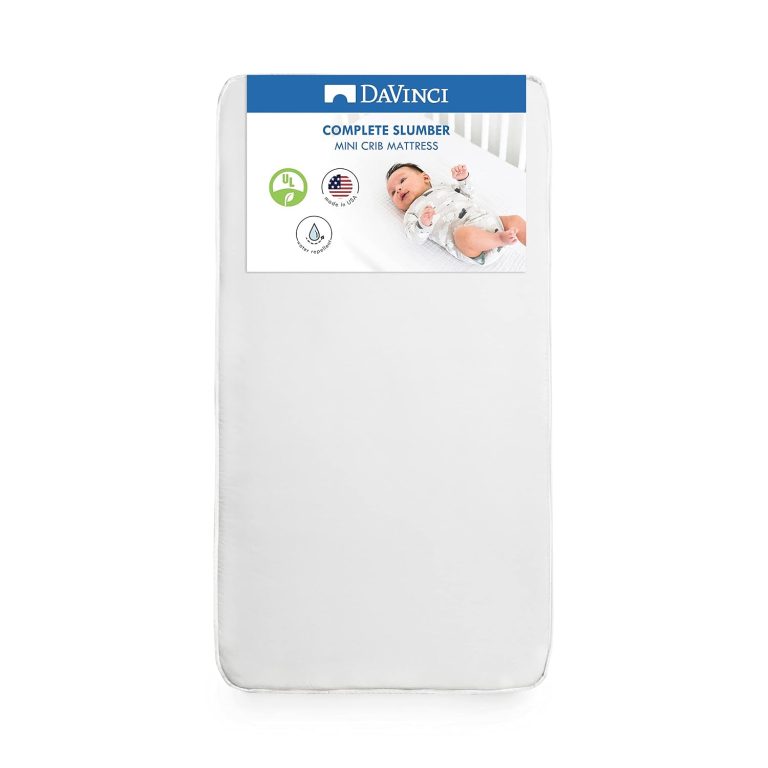
Babies should always sleep on their backs. The mattress should be firm and flat. A firm mattress does not sink when your baby lies on it.
The sheet must fit tightly. Loose fabric can cover your baby’s face. Many experts suggest using a fitted sheet made just for the crib mattress.
Here is what the experts recommend for a safe infant sleep area:
- Firm mattress: Press your hand down. It should not indent.
- Tight-fitting sheet: It should be hard to pull off the corners.
- No bumper pads: They are a suffocation risk.
- No soft toys: Keep the crib completely clear.
- No loose blankets: Use a sleep sack or wearable blanket instead.
When to Move Your Child to a Bigger Bed
Most kids are ready for a twin bed between ages 2 and 3. The key sign is climbing out of the crib. That is a fall risk.
When you switch, add a bed rail. It prevents rolling out during the night. A guardrail is a simple safety tool that gives you peace of mind.
Also, place the bed away from windows and radiators. You want a clear path for getting in and out.
Keeping Your Mattress Clean and Allergy-Free
Dust mites are tiny bugs that love mattresses. They feed on dead skin cells. We found that a clean mattress is your best defense against them.
These microscopic creatures are a top trigger for allergies and asthma. Their droppings can cause sneezing and watery eyes at night.
Simple Cleaning Routines That Work
Vacuum your mattress every month. Use the upholstery attachment to get the surface. Pay extra attention to the seams and edges.
Spot clean spills right away. Blot the area with a mild detergent and water. Do not soak the mattress. Wet foam can grow mold.
Use a mattress protector. This is a thin, waterproof layer that goes over the mattress and under your sheet. It blocks spills and allergens.
We found that a good protector can double the life of your mattress. It is one of the cheapest safety upgrades you can buy.
Dealing With Bed Bugs
Bed bugs are a real nightmare. They are small, brown insects that bite at night. You might see tiny blood spots on your sheets.
If you suspect bed bugs, act fast. Wash all your bedding in hot water. Dry it on the highest heat setting. The heat kills the bugs and their eggs.
For the mattress itself, vacuum thoroughly. Use a steamer if you have one. Many experts recommend calling a professional pest control service for stubborn cases.
Recognizing the Signs Your Mattress Needs Replacing
Old mattresses are not just uncomfortable. They can be a safety hazard. We found that a sagging mattress does not support your spine properly.
Most manufacturers say to replace your mattress every 7 to 10 years. But that number is just a guideline. Your body will tell you when it is time.
Physical Signs of Wear and Tear
Take a look at your mattress. Do you see a visible dip in the middle? Sit on the edge. Does it collapse easily?
Waking up with back pain is a big red flag. So is feeling tired even after a full night of sleep. These signs point to poor support.
If you can feel the coils poking through the foam, that is an emergency. Stop sleeping on it right away. Those springs can scratch you.
Health Symptoms You Should Not Ignore
Increased allergy symptoms at night is a clue. If you are sneezing more in your bedroom, your mattress could be the culprit. Dust mites build up over time.
A musty smell is another sign. That could mean mold is growing inside. Mold is a serious respiratory hazard, especially for kids and older adults.
Here is a quick safety checklist to review every few months:
- Check for sagging: Lay a level across the surface and look for gaps.
- Feel for springs: Press down firmly and feel for lumps.
- Smell for odors: A clean mattress smells fresh, not stale.
- Look at your sleep: Track if you feel rested or sore each morning.
- Test the edge: Sit on the side and see if it holds you up.
- Review the age: Mark the purchase date on your calendar.
Making Your Bed a Safer Place Tonight
You do not need to overhaul your whole bedroom. Small changes make a big difference. We found that starting with the basics is the smartest move.
First, check your foundation. Make sure it is stable and correct for your mattress type. A quick visual check takes ten seconds.
Second, wash your sheets weekly in hot water. This kills dust mites and removes allergens. It is the single best habit for a clean sleep surface.
Third, consider a mattress protector if you do not have one. It is a simple barrier against spills, bugs, and dust. You will thank yourself later.
Remember the golden rule of mattress safety. It is about support, cleanliness, and proper setup. Get those three things right, and you are on your way to a safer night’s sleep.
Conclusion
Keeping your mattress safe is simpler than you might think. You need a firm, supportive surface that fits your base and age group. You also need to keep it clean from dust mites, spills, and the occasional bed bug scare. We found that most safety problems come from worn-out mattresses and loose bedding, not the mattress itself.
Your next step is easy. Walk into your bedroom right now and do a quick five-point check. Press on the middle, look for sagging, sniff for smells, and test the edge support. If your mattress is older than 7 years or shows any wear, start shopping for a replacement. A safe bed is the foundation of a good night’s sleep.
Frequently Asked Questions
Can a mattress protector really prevent bed bugs?
A high-quality mattress protector acts as a physical barrier. Bed bugs can’t bite through the tight weave or the zipper seal. It will not kill existing bugs, but it traps them so they starve.
For the best protection, look for a protector labeled “bed bug proof” with a reinforced zipper. You should still inspect seams and crevices if you suspect an infestation.
Is sleeping on the floor on a mattress safe?
Sleeping directly on the floor can be safe in the short term. You avoid the risk of falling out of bed. But you face other issues: poor airflow, dust buildup, and potential mold growth under the mattress.
Your body also needs a breathable surface. A solid platform bed or slatted frame gives you better ventilation and keeps your mattress dryer and cleaner.
Do all mattresses have fiberglass in them?
No, not all mattresses contain fiberglass. Many manufacturers use it as a cheap fire barrier in the inner cover. However, you can find fiberglass-free options from brands using wool, cotton, or natural latex as fire-resistant layers.
If you are unsure about your mattress, check the label or the manufacturer’s website. Never cut open the outer cover to look inside, as that can release fiberglass particles.
How often should I vacuum my mattress for safety?
We found that vacuuming your mattress once a month is the sweet spot. This removes dust mites, dead skin cells, and dirt that build up over time. Use the upholstery attachment and take your time over seams and tufts.
If you have allergies or pets, bump it up to every two weeks. A monthly habit takes about five minutes and keeps your sleep surface noticeably fresher.
Is it safe to flip a memory foam mattress?
Most memory foam mattresses are not flippable. They have a comfort layer on top and a firm support layer on the bottom. Flipping them will give you an uncomfortable, unsupportive sleep surface and can damage the foam.
Instead of flipping, rotate your mattress 180 degrees every 3 to 6 months. This helps it wear evenly and prevents body impressions from forming in one spot.