Hybrid vs Mattress: Which Is Right for You
A hybrid mattress is the winner for most sleepers because it blends the pressure relief of foam with the sturdy support of coils. You get the best of both worlds in one bed. The real difference comes down to how you sleep and what your body needs.
We researched the key differences to help you decide. It’s not about which type is “better” in general, but which one is better for your sleep style and body type. Both options have pros and cons, and we want to make the choice easier for you. Choosing a mattress is a big decision, and we’re here to cut through the noise.
- Support: Hybrids use innersprings, giving you more edge support and a bouncier feel than all-foam beds.
- Pressure Relief: All-foam mattresses contour closely, which is great for side sleepers who need extra cushioning on hips and shoulders.
- Temperature: Hybrids typically sleep cooler because the coils allow for better airflow than dense foam layers.
- Motion Transfer: All-foam beds are better at isolating movement, so you won’t feel your partner tossing and turning.
- Durability: A good hybrid will often last longer because the coil base is more resilient than a foam base over time.
Below, we break down the differences between a standard mattress and a hybrid in plain English. Let’s walk through the details together so you can pick the perfect bed for your next good night’s sleep.
Foam Mattress vs Hybrid: Breaking Down the Battle
Choosing between a foam bed and a hybrid can feel overwhelming. You want a mattress that supports your body, keeps you cool, and lasts for years. We found that the right choice depends on your sleeping position, your weight, and whether you sleep hot or cold.
What Exactly Is an All-Foam Mattress?
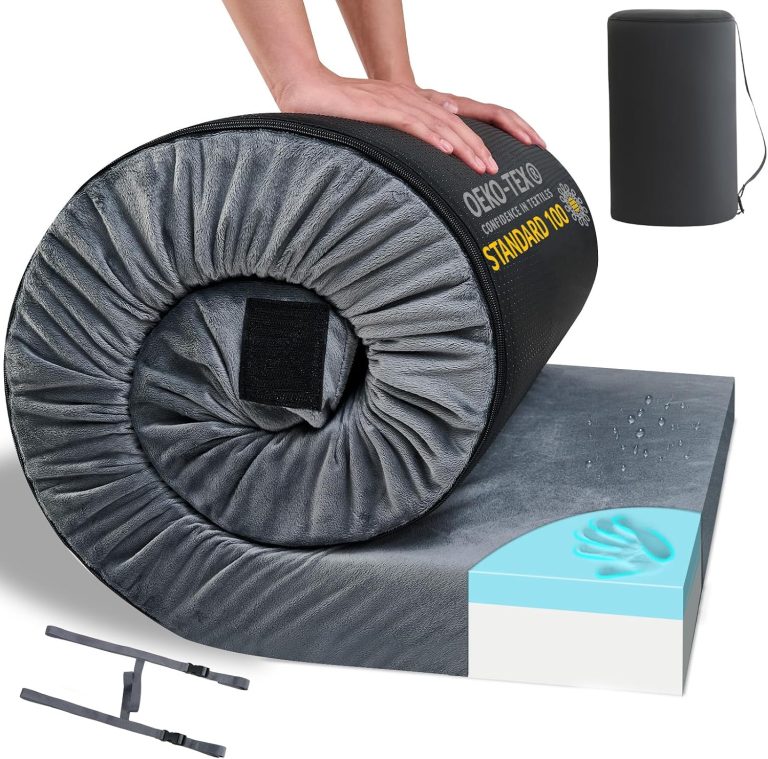
An all-foam mattress is exactly what it sounds like. It’s made entirely of foam layers, usually polyurethane foam on the bottom and memory foam or latex on top. There are no springs or coils anywhere in the bed.
The foam responds to your body heat and weight. It molds to your shape, creating a “hugging” sensation that many people love. We found that memory foam works best for side sleepers who need pressure relief on their hips and shoulders.
How Foam Beds Support Your Body
Foam mattresses contour to your curves. This means your spine stays aligned, and you don’t get pressure points. The foam absorbs your weight evenly across the entire surface.
However, foam beds can feel soft or “sinky.” If you’re a heavier person, you might sink too deep into the foam. That can throw your spine out of alignment and cause back pain in the morning (Mayo Clinic).
Who Should Choose an All-Foam Bed
All-foam mattresses are great for certain sleepers. Side sleepers love the cushioning that foam provides. People who share a bed also benefit, because foam isolates motion so well.
You won’t feel your partner moving around during the night. We found that light sleepers appreciate this feature more than almost anything else.
What Makes a Hybrid Mattress Different?
A hybrid mattress combines two different materials. It has a coil support core plus foam or latex comfort layers on top. The coils provide a sturdy, bouncy base while the foam adds plush comfort.
Hybrids aim to give you the best of both worlds. You get the sink-in comfort of foam with the support and bounce of innersprings. We found that hybrids are more versatile for different body types and sleeping positions.
How Coils Change the Feel of Your Bed
The coils in a hybrid mattress push back against your weight. This creates a firmer, more supportive sleep surface. You’ll feel more “on top” of the mattress rather than sinking into it.
Coils also allow for better airflow. Heat can escape through the gaps between the springs. That’s why hybrids sleep cooler than foam beds, which trap body heat in dense foam layers.
Edge Support Matters More Than You Think
Hybrids have sturdy edges because of the coil perimeter. You can sit on the edge of the bed without feeling like you’re going to roll off. Foam mattresses tend to compress more at the edges.
We found that people who get in and out of bed frequently appreciate this. Couples also benefit from edge support because it gives you more usable sleep surface.
The Key Differences at a Glance
Let’s break down the main differences between these two mattress types. Each one has trade-offs that matter for your sleep quality.
| Feature | All-Foam Mattress | Hybrid Mattress |
|---|---|---|
| Feel | Contouring, sink-in hug | Supportive with slight cushion |
| Edge Support | Weak to moderate | Strong, easy to sit on edge |
| Cooling | Can trap body heat | Better airflow through coils |
| Motion Transfer | Excellent isolation | Good but not perfect |
| Durability | May sag over time | Coils hold shape longer |
| Price | Generally more affordable | Usually costs more |
| Best For | Side sleepers, light sleepers | Back sleepers, heavier bodies |
Comfort and Feel: Which Wins?
Comfort is personal, but the materials make a clear difference. Foam mattresses give you that classic memory foam “hug.” You sink in slowly, and the bed wraps around your body like a cozy blanket.
Hybrid beds feel more responsive. The coils provide a gentle push-back against your body. You’ll feel a slight bounce when you move or roll over. We found that most people prefer the hybrid feel once they try it side by side.
Pressure Relief: The Foam Advantage
For pressure relief, foam has an edge. The foam layers contour to your body’s curves with precision. This reduces pressure on sensitive areas like shoulders, hips, and lower back.
Hybrids also offer decent pressure relief because they include foam top layers. But the coils beneath create a firmer surface. Side sleepers with sensitive joints often prefer the deeper contouring of an all-foam bed.
Bounce and Ease of Movement
Hybrids make it easier to move around in bed. The coils create a buoyant surface that responds quickly to movement. You won’t feel stuck or trapped in the layers.
All-foam mattresses can feel slow to respond. This can make it harder to change positions during the night. People with mobility issues often find hybrids easier to get in and out of.
Temperature Regulation: Do You Sleep Hot?
If you wake up sweaty, this is the most important section for you. Foam mattresses are notorious for trapping body heat. Dense foam doesn’t allow air to circulate, so heat accumulates throughout the night.
Some foam brands add cooling gels or phase-change materials to combat this. But research shows that coil-based mattresses naturally sleep cooler due to better airflow (sleep organizations and experts agree on this point).
Why Coils Keep You Cooler
The open structure of coils allows heat to escape. Air moves freely through the bed, carrying away your body heat. Plus, the foam layers on top are usually thinner than in an all-foam bed.
This means less heat-trapping material between you and the coils. We found that hot sleepers feel a noticeable temperature difference with hybrid mattresses.
Motion Isolation: What About Partners?
Foam is the undisputed champion for motion isolation. Foam absorbs movement before it travels across the bed. You could bounce a ball on one side of the bed and barely feel it on the other side.
Hybrids transfer more motion because the coils are springy. When your partner moves, the coils can transmit some of that movement to your side. Good pocketed coils reduce this, but foam still wins on this test.
Finding the Right Balance
If you’re an extremely light sleeper, an all-foam bed might be your best bet. But many couples find hybrids acceptable because modern pocketed coils are individually wrapped to reduce motion transfer.
We found that average-sized partners don’t typically disturb each other on a quality hybrid. It’s only very rapid or dramatic movements that cause noticeable transfer.
Durability and Lifespan: Which Lasts Longer?
Your mattress is a long-term investment. You want it to last at least seven to ten years. Durability matters, especially if you’re on a budget and can’t replace your bed often.
Hybrids generally have a longer lifespan than all-foam beds. The coil core maintains its shape better over time. Foam bases tend to develop sagging or body impressions after years of use.
Why Foam Can Sag Over Time
When you press down on foam night after night, it loses its resiliency. Over time, the foam compresses permanently and forms body impressions. This can lead to an uncomfortable, uneven sleep surface.
Low-quality foam breaks down faster than high-quality foam. But even premium foam will show signs of wear eventually. Many experts say coil bases offer more structural integrity for long-term durability.
The Weight Factor in Durability
Your body weight plays a big role in how long a mattress lasts. Heavier sleepers put more pressure on the foams, which accelerates wear. A foam mattress may only last five to seven years at heavier weights.
Hybrids handle heavier weights better because coils provide strong, durable support. We found that people over 200 pounds generally get a longer life from hybrid mattresses.
Support for Different Sleeping Positions
Your sleeping position is probably the biggest factor in choosing a mattress. Let’s look at how each type performs for different positions.
Side Sleepers
Side sleepers need pressure relief at the hips and shoulders. Foam mattresses excel here because the material contours deeply around these areas. All-foam beds are a top recommendation for side sleepers with joint pain.
Hybrids also work for side sleepers if they have a plush comfort layer. Look for a hybrid with at least two inches of soft foam on top. This provides cushioning while the coils keep your hips supported.
Back Sleepers
Back sleepers need even support to keep the spine in neutral alignment. Hybrids are often the superior choice for back sleepers. The coil base supports the lower back, preventing the hips from sinking too deep.
All-foam beds can cause lower back pain if the foam is too soft. Back sleepers on foam mattresses may find their hips sink lower than their shoulders, creating a slight “C” shape in the spine.
Stomach Sleepers
Stomach sleepers need a firm surface to prevent the pelvis from sinking. Hybrids with a firmer feel are the safest bet here. The coils keep your body level and aligned, reducing stress on the lower back.
All-foam beds can be risky for stomach sleepers. If the foam is too plush, your hips will sink into the mattress. This puts your spine in an unnatural arched position and can lead to pain.
Your Body Type Matters for Comfort
Your body weight and shape affect how a mattress feels. A bed that feels soft to a 140-pound person will feel firm to a 200-pound person. You need to account for your body type.
Average Weight Sleepers (Under 180 lbs)
Average-weight sleepers have plenty of options. Both foam and hybrid mattresses work well at this weight range. Foam gives you more pressure relief, while hybrids offer more bounce and support.
We found that average-weight side sleepers prefer foam beds. Average-weight back and stomach sleepers often choose hybrids for better spinal alignment.
Heavier Sleepers (Above 180 lbs)
Heavier sleepers need stronger support to prevent sinking. Hybrids are the better choice for most heavier adults. The coils provide a firm base that supports your weight without excessive sinking.
All-foam mattresses can feel too soft for heavier bodies. You’ll sink deeply into the foam, which can cause back pain. If you’re above 200 pounds, we strongly recommend looking at hybrids with thicker coils.
Price Comparison: What Should You Pay?
Budget always matters in a mattress purchase. All-foam mattresses are generally cheaper to manufacture. You can find decent all-foam beds starting around $300 to $500 for a queen size.
Hybrids cost more because they use better materials. The coil system and multiple foam layers add up. Expect to pay $700 to $1,500 or more for a quality queen-size hybrid mattress.
However, price isn’t everything. If a mattress lasts longer, the cost per year is lower. A $1,200 hybrid that lasts ten years is actually cheaper per year than a $600 foam bed that only lasts five years. In the long run, a solid hybrid often gives you better value.
Your
Conclusion
You now have the full picture. Foam mattresses give you deep pressure relief and quiet nights. Hybrids give you support, airflow, and a longer lifespan. Neither one is the “perfect” bed for everyone.
The best move is to match the mattress to your sleep position and body type. If you sleep hot or need extra back support, a hybrid is likely your winner. If you’re a side sleeper who wants a gentle hug, all-foam might be your match.
We suggest testing both options in a store if you can. Lie down for at least 10 minutes in your usual sleep position. You’ll know which one feels right almost immediately. Your future well-rested self will thank you.
Frequently Asked Questions
Is a hybrid mattress worth the extra money?
For most people, yes. You pay more upfront, but the coil core usually lasts longer than a foam base. That means you won’t need to replace it as often, which saves you money over time. The better support and cooling are also worth it if you struggle with back pain or night sweats.
Can a hybrid mattress be too firm for side sleepers?
It can be, if you pick the wrong one. You need a hybrid with a thick, plush comfort layer on top of the coils. Look for at least two to three inches of soft foam. That gives you the cushioning your hips and shoulders need while the coils keep your spine aligned.
Do foam mattresses really sleep that hot?
Traditional memory foam does trap heat, but not all foam beds are the same. Many modern foam mattresses include cooling gel, breathable covers, or open-cell foam. If you’re a hot sleeper, you can still choose foam, but you’ll need to check the cooling features carefully.
Which mattress type is best for couples with different sleep positions?
A hybrid is usually the safest bet for couples. It gives you a balanced feel that works for most positions. The coils offer enough support for back and stomach sleepers, while the foam top provides pressure relief for side sleepers. Plus, the edge support means you both get the full surface area.
How long should a good hybrid mattress last?
A quality hybrid should last you seven to ten years with proper care. The coil core maintains its shape much better than foam. You can extend its life by rotating it every few months and using a solid foundation or bed frame.