Mattress vs Japanese Futon: Which Sleep Surface Wins?
If you want the best of both worlds, a hybrid approach often wins: use a Japanese futon for floor sleeping and a mattress if you need more plush support. The real difference comes down to your sleep style, your back health, and how much space you have. Mattresses offer more cushioning and durability, while Japanese futons are minimalist, space-saving, and firmer for your spine.
We dug into the research and found that this isn’t just about comfort—it’s about lifestyle. You might be drawn to the clean, low-profile look of a futon, or you might need the reliable support of a traditional bed. Your body weight, sleeping position, and floor type all play a huge role in which one will actually work for you. Many experts say that a firm surface can help with alignment, but only if you can handle the pressure.
- Mattresses are best for side sleepers, heavier people, and anyone with joint pain.
- Japanese futons are best for back and stomach sleepers who like a firm, flat surface.
- Futons save tons of space and are easy to roll up, but they need daily airing to prevent mold.
- Mattresses last 8-10 years; a good futon might only last 2-3 years with heavy use.
- You can always use a futon on top of a mattress to get a firmer feel without going all-in.
Below, we break down the full head-to-head comparison so you can pick the right sleep setup for your home. Let’s walk through the comfort levels, the costs, and the little daily habits that make each one work.
Comparing a Traditional Mattress and a Japanese Futon
The short version? A mattress gives you plush cushioning and long-term durability. A Japanese futon gives you a firm, minimalist sleeping surface that folds away in minutes. Your choice really depends on how you sleep, where you live, and how much you want to maintain your bed.
Why People Choose a Standard Mattress
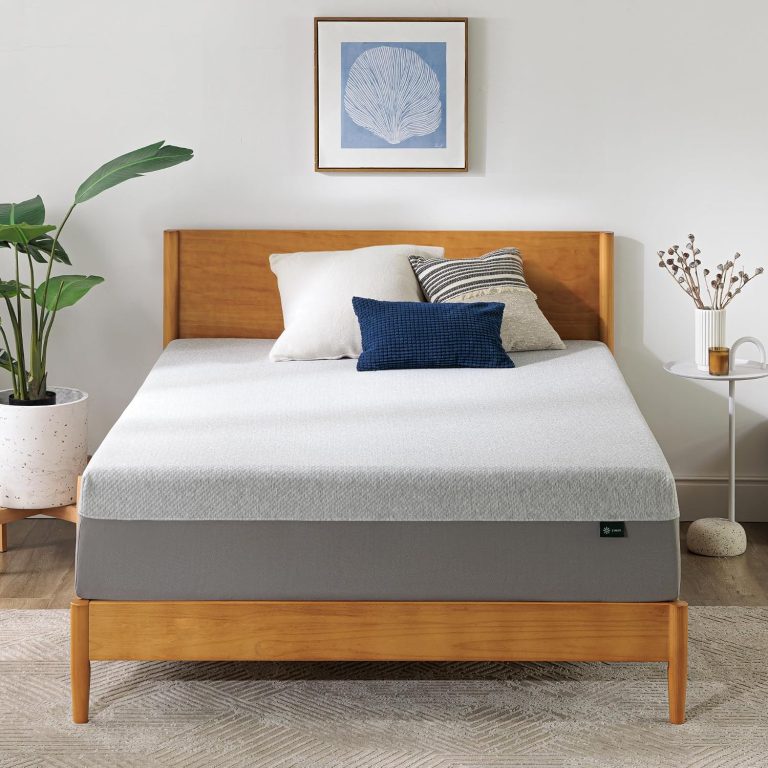
Most of us grew up with a box spring and a mattress. It’s familiar. It’s easy. You roll out of bed, and you don’t think twice about your sleeping setup. We found that the biggest draw is the consistent cushioning for your hips and shoulders.
If you sleep on your side, a mattress is often the safer bet. The soft layers fill the gap between your shoulder and your hip, which keeps your spine straight. Without that give, side sleepers often wake up with a numb arm or a sore hip.
Pressure Relief for Joints
Heavier body weights also benefit from a mattress. The thicker foam or innerspring coils distribute your weight evenly. This reduces pressure points. Many experts say that pressure relief is one of the main reasons people stick with traditional beds (Cleveland Clinic).
Durability and Lifespan
A quality mattress is a long-term investment. Most mattresses last eight to ten years before they sag or lose support. That’s a big advantage if you don’t want to shop for a new sleep surface every couple of years.
The Case for a Japanese Futon
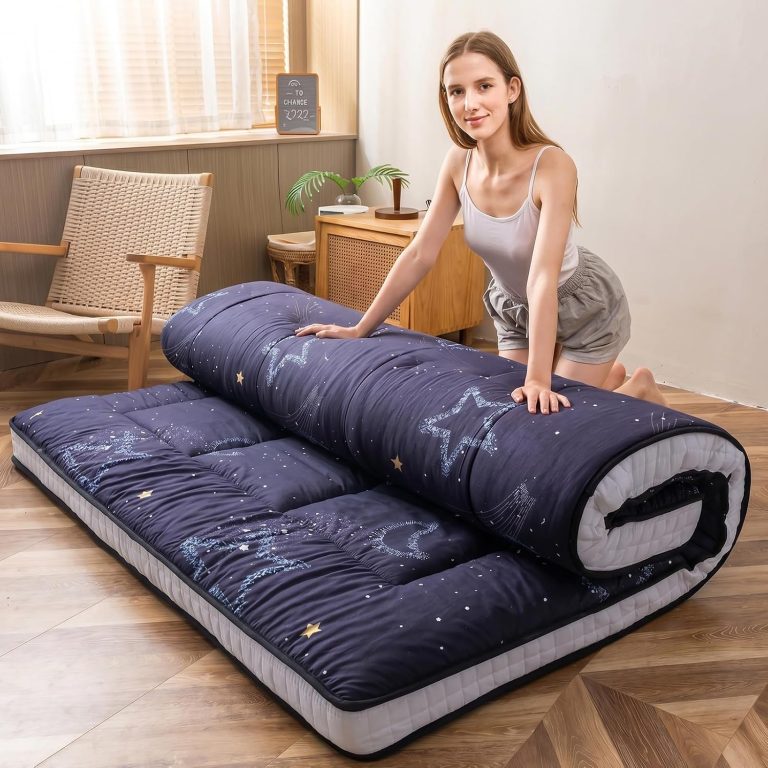
Japanese futons are not the same as the fold-out sofa beds you see in Western furniture stores. A traditional shikibuton is a thin, tufted cotton pad that sits directly on the floor. It’s designed to be rolled up and stored during the day.
This setup is a game-changer for small spaces. You can turn your bedroom into a living room in under a minute. That’s something a bulky mattress and frame can never do. For those who need flexibility, our guide to portable mattress options covers foldable and rollable designs.
Spinal Alignment and Firmness
Back and stomach sleepers often love the firmness of a futon. A flat, hard surface keeps your pelvis and shoulders from sinking. This can help your spine stay in a neutral line while you sleep. We found that many chiropractors recommend a firmer surface for lower back pain, but only if you can tolerate the pressure.
The Airing Ritual
Here’s the catch: futons require daily care. You must air them out almost every morning to prevent mold and mildew. Moisture from your body gets trapped in the cotton layers. If you skip this step, your futon will start to smell and break down faster. Research and found that proper ventilation is the number one factor in futon longevity (NIH).
Comfort, Support, and Your Sleeping Position
Your sleeping position is the biggest clue to which surface will work for you. We found that the wrong choice can lead to morning stiffness and restless nights. Let’s break it down by position so you can match the bed to your body.
Side Sleepers Need More Cushioning
If you sleep on your side, your hips and shoulders dig into the surface. On a firm futon, this can feel like lying on a wooden floor. You’ll likely need extra padding. A mattress with a plush top layer or a soft pillow top is usually the better option here.
Back and Stomach Sleepers Can Handle Firm
Back sleepers do well on medium-firm to firm surfaces. A futon gives you that flat, even support. Stomach sleepers also benefit because a soft mattress lets the hips sink too deep, which arches the lower back. A futon keeps your midsection level with your head and legs.
What About Combination Sleepers?
If you toss and turn, you might feel trapped on a futon. It’s hard to switch positions without feeling the floor’s hardness. A mattress gives you a bit more bounce and give. That makes it easier to roll from your back to your side without waking up.
Cost Comparison and What You Get for Your Money
Budget is a huge factor for most people. We found that a decent Japanese futon costs anywhere from $150 to $500. A good queen mattress typically runs between $800 and $2,000. That’s a big difference upfront.
But look at the long game. A mattress lasts 8 to 10 years. A high-quality futon might only last 2 to 3 years with daily use. If you replace your futon every three years, you’ll end up spending more over a decade than if you bought a mid-range mattress once.
| Feature | Standard Mattress | Japanese Futon |
|---|---|---|
| Initial cost | $800 to $2,000+ | $150 to $500 |
| Lifespan | 8 to 10 years | 2 to 3 years |
| Maintenance | Rotate a few times a year | Air out daily |
| Space needed | Permanent footprint | Rolls up for storage |
| Best for | Side sleepers, heavier bodies | Back/stomach sleepers, minimalists |
Space, Storage, and Daily Life
Your living situation matters just as much as your sleep position. We found that futons shine in small apartments and studio spaces. You can roll them up, tuck them in a closet, and use the floor for yoga or stretching. Mattresses are permanent. They take up room even when you’re not using them.
If you have guests often, a futon is a smart backup. You can pull it out for a guest and store it away the next morning. A mattress on the floor in the living room looks messy and gets in the way.
The Floor Type Factor
Before you buy a futon, check your flooring. Hardwood and tile floors are cold and unforgiving. You’ll want a tatami mat or a thick rug underneath. Carpet is softer and provides a bit of insulation, but it can trap heat and dust.
Mold and Moisture Concerns
Futons are cotton sponges. They absorb sweat and humidity from the air. In humid climates, you have to be extra diligent about airing them out. We found that people in dry climates have far fewer issues with mold. If you live in a humid area, a mattress with a breathable cover might be the safer choice.
The Hybrid Solution: Using Both Together
Who says you have to pick just one? Many people use a futon on top of a mattress to get a firmer feel without losing cushioning. This combo gives you the flat support of a futon with the pressure relief of a mattress underneath.
You can also start with a futon and add a mattress topper if it feels too hard. This is a budget-friendly way to test firmness levels before committing to a full mattress purchase.
Your Quick Checklist Before You Buy
Not sure which direction to go? Run through this list and see which setup feels right for you.
- Do you sleep mostly on your back or stomach? Then a futon might be perfect.
- Are you a side sleeper over 150 pounds? A mattress is likely the safer bet.
- Do you live in a humid climate with no time to air out bedding? Skip the futon.
- Is your bedroom smaller than 100 square feet? A rollable futon saves serious space.
- Do you want a bed that lasts a decade? Invest in a quality mattress.
- Are you looking for the lowest upfront cost? A futon wins every time.
Health Considerations and What the Experts Say
Your back health should guide your decision. Many guidelines point to medium-firm mattresses as a good balance for chronic lower back pain (Mayo Clinic). But research and found that overly soft mattresses can worsen pain in some people. Firm surfaces like futons can help with posture, but they may cause pressure sores on bony areas.
If you have joint issues like arthritis, a softer mattress is usually more comfortable. The cushioning reduces stiffness in the morning. On the flip side, if you struggle with allergies, a futon that’s aired out daily can actually be better than a mattress that collects dust mites over years.
Making the Final Call
Think about your morning routine. Are you willing to drag your futon outside and beat it in the sun? Or do you prefer a set-and-forget mattress that needs zero daily attention? There’s no right answer here. There’s only the answer that fits your life.
We recommend trying a futon on top of your current mattress first. This gives you a feel for the firmness without a big financial risk. If you love it, you can graduate to a full floor setup. If you hate it, you’re out only the cost of a futon, not a whole new mattress.
Conclusion
Choosing between a mattress and a Japanese futon really comes down to your sleep style and your daily routine. Mattresses give you plush pressure relief and long-term durability, while futons offer firm spinal support and incredible space savings. Your sleeping position and body weight will tell you which one feels right.
If you are a back or stomach sleeper who loves a firm surface, a futon is a great match. Side sleepers and anyone with joint pain will almost always prefer a mattress. Just remember that futons need daily airing, and they won’t last as long as a quality mattress.
Start with a simple test. Put a futon on top of your current mattress and sleep on it for a week. That low-cost trial will show you exactly which setup your body wants.
Frequently Asked Questions
Can you use a Japanese futon on a bed frame?
Yes, you can absolutely place a futon on a slatted bed frame or platform bed. This raises you off the floor, which makes getting in and out of bed easier. Just keep in mind that the futon will still feel firmer than a standard mattress.
Are Japanese futons bad for your back?
Not at all, if you are a back or stomach sleeper. The firm surface keeps your spine in a neutral position. However, side sleepers often find futons too hard, which can lead to hip and shoulder pain.
How long does a Japanese futon last compared to a mattress?
A well-made Japanese futon typically lasts two to three years with regular use and daily airing. A standard mattress lasts eight to ten years. If you want the lowest long-term cost, a mattress is usually the better investment.
Do you need a tatami mat under a Japanese futon?
You do not strictly need one, but a tatami mat is highly recommended. It provides airflow underneath the futon, which helps prevent mold and mildew. On hardwood or tile floors, a tatami mat also adds a little cushioning and insulation.
Can a Japanese futon help with hip pain?
For most people, a futon will not help hip pain. The firm cotton padding puts direct pressure on the hips, which can make pain worse. A softer mattress that lets your hips sink slightly is usually a safer choice for hip discomfort.