Spring Mattress vs Foam: Pros, Cons & Key Differences
When you’re shopping for a new bed, the biggest decision is usually spring mattress vs foam. The short answer? Spring mattresses win for support and bounce, while foam wins for pressure relief and motion isolation. Neither is universally better; it all comes down to your sleep style, body type, and budget.
We’ve looked at the research and talked to mattress experts to break this down simply. You’re not just picking a material; you’re picking a feel, a temperature profile, and a support system for your back. Your weight and sleeping position often matter more than the hype around any specific brand.
- The core difference: Springs use coils for a bouncy, supportive feel; foam uses layers of dense material to contour to your body.
- For back pain: Many experts say hybrid mattresses (springs with foam on top) are often the best compromise.
- For hot sleepers: Innerspring mattresses usually sleep cooler than all-foam options due to better airflow.
- For couples: Foam is the winner if you don’t want to feel your partner tossing and turning at night.
- For longevity: A quality spring mattress can last 7-10 years, while foam often shows sagging sooner (around 6-8 years).
In the sections below, we’ll walk you through the pros and cons of each type, the cost differences, and how to choose the right one for your specific needs. You’ll know exactly which side of the fence you’re on by the end.
Springs vs. Foam: The Breakdown You Actually Need
You’re likely here because your current bed feels like a wrinkle in time. We’ve been there. The choice between spring and foam comes down to how you sleep, not just what looks good in a showroom. Let’s strip away the marketing fluff and look at the real mechanics underneath your sheets.
You pick springs for airflow and bounce, or you pick foam for hugging pressure points. That is the 30-second summary. Now, let’s see how that plays out for your actual nights of rest.
Understanding Your Sleep Position First
Before you even think about coils, look at your favorite sleeping position. Your spine needs a straight line from your head to your hips. This matters more than any mattress gimmick.
If you sleep on your back, you need a balance of contouring and pushback. If you are a side sleeper, your shoulders and hips need to sink into something soft. Stomach sleepers need a firmer surface to keep the lower back from dipping down.
Many sleep specialists note that maintaining a neutral spine is the biggest factor for waking up without aches (Cleveland Clinic). So, ask yourself one question: does my body curve like a banana at night?
What a Spring Mattress Really Feels Like
Think of a spring mattress as a trampoline. It has immediate give and a lively push back. You don’t sink; you float on top. This is the classic hotel bed feel that many people chase.
Modern spring mattresses are not the squeaky boxes from the 90s. They use pocketed coils, where each spring is wrapped in fabric. This design limits motion transfer, but it still offers that distinct “lift” you simply cannot get from foam.
The Pros of Choosing Innerspring
Here is where springs shine bright. If you run hot at night, this is your best friend. The open space between coils allows air to circulate freely. Heat has an escape route instead of getting trapped under your back.
You also get a lot of ease when moving. Getting out of bed is easier because you can push off and use the bounce. This ease of movement helps if you change positions multiple times during the night. We found that seniors and people with mobility issues often prefer this lift.
- Great airflow for temperature neutrality.
- Strong edge support for sitting on the side of the bed.
- Immediate response when you shift weight.
- Usually more affordable upfront than high-density foam.
The Downsides of Coils
There is a trade-off here. While springs are bouncy, they don’t contour to your curves. They press back against your pressure points instead of cradling them. This can be an issue for side sleepers with sensitive hips.
If you share a bed, you might feel every toss and turn. While pocketed coils help, they are not as good as foam at isolating movement. You are essentially sleeping on a series of connected trampolines.
What All-Foam Beds Do Differently
Foam is the “hug” option. It feels like the mattress is holding you rather than pushing back. Dense foam layers compress under your body’s heat and weight, creating a custom mold around your shape.
This pressure relief is a major win for side sleepers. It cushions the shoulder and hip, which are the widest points of the body. Many people describe it as sleeping “in” the bed rather than “on” it.
Why Foam Wins for Couples
Here is the magic trick of foam: motion isolation. If your partner gets up at 2 AM to get water, you won’t feel the ripple effect. The foam absorbs the movement like a sponge absorbs water.
We found that memory foam specifically excels at this. It is the undisputed champion for undisturbed solo sleep. If you are a light sleeper, the quiet and stillness of foam can be a life-saver.
The Heat Trap Problem
Foam has a reputation for sleeping warm. The dense material hugs you, but it also holds your body heat close to the surface. It isn’t just marketing; this is the physics of a solid block of material.
Newer models fight this with gel infusions and copper particles. They punch holes in the foam to allow air movement. But honestly, a straight innerspring is still the gold standard for cooling. If you sweat easily, pay close attention to the foam’s breathability layers.
The Hybrid Option: The Best of Both Worlds?
If you cannot decide, the industry has already solved your problem. A hybrid mattress places foam layers on top of a spring support core. It is a compromise engineered to cancel out the downsides of each material.
You get the cool airflow and edge support from the coils below. You also get the pressure-relieving cushion on top. Many experts say this is the best setup for people with chronic back pain because it balances support and comfort.
Comparing Support and Durability
Durability is where springs usually take the trophy. High-gauge steel coils hold their shape for years. Foam, on the other hand, breaks down and can develop a body-shaped dip over time.
We found that lower-density foam can lose its snap in under five years. The weight of your body compresses the open cells, and they do not always bounce back. Look for a high-density foam rating if you want it to last.
| Feature | Spring Mattress | Foam Mattress |
|---|---|---|
| Bounce | High and lively | Low and absorbed |
| Motion Isolation | Fair to Good | Excellent |
| Cooling | Excellent airflow | Poor without special tech |
| Pressure Relief | Pushes back | Contours and cradles |
Cost and Lifespan: What is Your Wallet Saying?
Let’s talk real dollars. A decent innerspring mattress usually costs less to manufacture. You can find quality options in the lower price range, making them a smart buy for first apartments or guest rooms.
Quality foam costs more because the raw materials are more expensive. But you can find good value if you stick to established brands. The price difference narrows at the luxury level, where both types can easily exceed a few thousand dollars.
When to Replace Your Bed
No mattress lasts forever. A spring mattress can last seven to ten years if the coils are high gauge. A foam bed typically starts sagging around the six to eight year mark, depending on your weight.
A good rule of thumb is simple: if it takes you a while to recover from tossing and turning, or if you see visible sagging, it is time to shop. Your body will tell you when the support is gone.
Choosing Based on Your Body Weight
Your weight changes how these materials feel. If you are lighter, a firm foam can feel like sleeping on concrete because you lack the mass to soften it. You do not press deep enough to trigger the contouring response.
If you are heavier, a spring mattress can feel too hard. The coils might press into your back without giving way. Heavier individuals often prefer the deep sink of dense latex or memory foam to distribute weight evenly.
A Simple Checklist Before You Buy
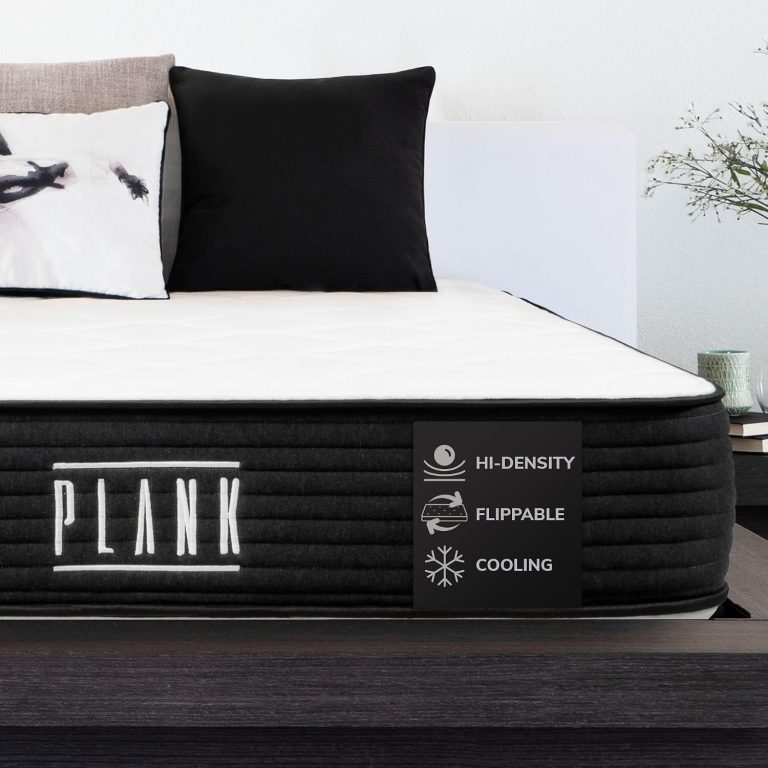
- Check the density rating of the foam (3lbs or higher is better).
- Make sure the coils are individually pocketed, not open mesh.
- Look for a breathable cover or a layer of airflow channels.
- Choose a higher coil count for better edge support.
- Opt for a hybrid if you have a history of back pain.
Final Thoughts on Making the Jump
You do not need to be a scientist to pick a mattress. You just need to know how you sleep. Are you a hot sleeper who moves around? Go spring. Do you like to sink in and stay still? Go foam.
We found that the “right” answer is highly personal. There is no universal winner. Use your trial period wisely. Sleep on it for at least thirty nights before you decide to keep it.
Your back deserves better than a rushed decision. Take your time, lie down in the store for a full ten minutes, and listen to your body.
Conclusion
Choosing between a spring mattress and a foam mattress isn’t about finding a universal winner. It’s about matching the bed to your body, your sleeping habits, and your budget. Springs give you that cool, bouncy lift with strong edge support. Foam offers deep pressure relief and keeps movement from traveling across the bed.
Your weight and sleeping position should drive the decision. Side sleepers often love the contour of foam. Back and stomach sleepers usually prefer the pushback of springs or a hybrid. And if you sleep hot, airflow matters more than any fancy cover.
Here’s your next step: write down your top three sleep complaints. Then, use the trial period from any reputable brand to test your choice for at least 30 nights. That real-world experience will tell you everything you need to know.
Frequently Asked Questions
Can you flip a spring mattress to make it last longer?
Not anymore. Most modern spring mattresses are one-sided, meaning they have comfort layers only on top. Flipping them puts pressure on the wrong side and can damage the coils. Instead, rotate your mattress head-to-foot every three months. This simple habit helps the foam and coils wear evenly.
Is a foam mattress safe for kids and teenagers?
Yes, foam is safe for kids, but you need to consider their weight. Lighter children may not sink into foam enough to feel the pressure relief. A medium-firm hybrid is often a better choice for growing bodies. It provides the support they need while still offering a little cushioning.
Do spring mattresses make noise over time?
Quality spring mattresses with pocketed coils rarely squeak. Older open-coil designs could make noise because the springs rubbed against each other. Look for individually wrapped coils to avoid that issue. A good foundation or box spring also prevents squeaks by keeping the mattress level.
How long does the “new mattress” smell last on a foam bed?
The off-gassing smell from a foam mattress usually disappears within 24 to 72 hours. It happens when the foam releases volatile organic compounds after being vacuum-sealed. To speed things up, unbox the mattress in a well-ventilated room. You can also sprinkle baking soda on the surface and vacuum it off after a few hours.
Which type is better for a guest room bed?
Spring mattresses are the smarter choice for guest rooms. They cost less upfront and appeal to a wider range of sleepers. Most guests will appreciate the firmer, bouncier feel that reminds them of a hotel bed. Foam can be too soft and personal for a guest who prefers a different sleep style.